Telepsychiatry Support for Safer Recovery in Fairfax, VA
Starting substance abuse treatment in Fairfax, VA, can feel heavy. Many people feel ashamed, afraid, or unsure if their problem is “bad enough” to need help. Those feelings are common, and they do not disqualify you from care. Recovery often works best as a calm, step-by-step process, not a sudden life overhaul.
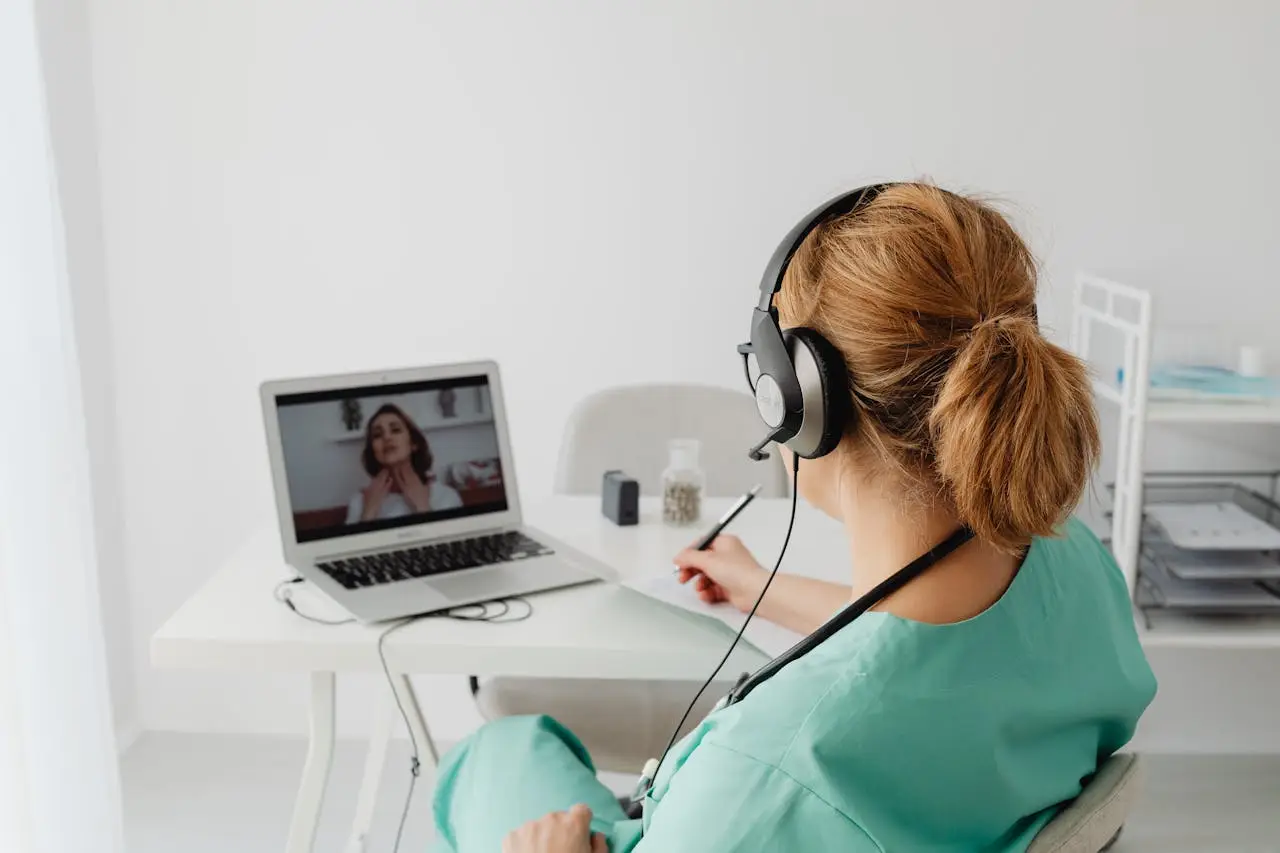
Telepsychiatry for substance use means meeting with a psychiatric clinician by secure video or phone. Care may include evaluation, medication management, and regular check-ins to watch safety and progress. A key question is what telehealth can safely cover, like assessment and medication-assisted treatment support, and where in-person care is still clearly needed, such as some detox needs or emergencies.
In spring and early summer, when schedules, travel, and childcare demands in Fairfax often pick up, telehealth may help some patients stay more consistent with follow-up. Our approach is to provide evidence-informed, collaborative care and, when clinically appropriate, work with local primary care clinicians, therapists, and community resources.
How Telepsychiatry Assesses Substance Use Concerns
An initial telepsychiatry visit is usually a detailed conversation. We typically ask about:
- What substances you use, how often, and how much
- Mental health symptoms like anxiety, low mood, or trouble focusing
- Medical conditions, current medications, and past treatments
- Safety concerns, such as overdose risk, withdrawal risk, or thoughts of self-harm
We look at patterns over time, not just one bad week. Part of our work is to tell the difference between use, misuse, and a substance use disorder. That is not always obvious from a single visit. A clear diagnosis may require more than one session, old records when available, and sometimes input from trusted family members or other clinicians, but only with your consent.
Telehealth can reasonably assess many important areas, such as:
- Cravings and urges
- Sleep changes
- Mood shifts and anxiety
- Work or school performance
- Appetite or weight changes you have noticed
Some things are harder to judge without a physical exam, such as signs of severe withdrawal, possible liver problems, or cardiac concerns. For that reason, honest reporting during telehealth visits matters a lot. Your information is protected and used to shape safer, more tailored plans, not to judge you. When we see medical red flags or unclear physical symptoms, we may recommend labs, imaging, or in-person evaluation at local Fairfax, or nearby medical facilities.
What Telepsychiatry Does for Substance Abuse Treatment in Fairfax, VA
Telepsychiatry may support substance abuse treatment in Fairfax, VA in several ways. For many people, it is not the whole answer, but it can be an important part of the overall plan.
Telehealth visits can help with:
- Ongoing medication management when clinically appropriate
- Monitoring for cravings, withdrawal symptoms that can be tracked safely at home, and side effects
- Following mood, sleep, and daily functioning over time
- Coordinating with therapy or support groups in the community
For some substances, telepsychiatry can play a role in medication-assisted treatment, often called MAT. This may involve evaluating whether MAT might help, starting or adjusting medications when allowed by law and by current regulations, and aligning care with local pharmacies and primary care clinicians. We also focus on relapse risk monitoring. Regular check-ins make it easier to review triggers, update coping strategies, and change the treatment plan if early warning signs appear.
Flexible scheduling is another benefit. Shorter virtual visits during a lunch break, an early evening slot, or a quieter time at home may help some people stay engaged, even when spring and summer routines keep shifting. Still, telepsychiatry is usually one piece of care. Many patients may benefit from adding therapy, peer support, or primary care follow-up in the Fairfax, VA, area.
What Telehealth Cannot Safely Replace in Substance Use Care
Telehealth has clear limits, and being honest about those limits is part of safe care. Some situations are too risky to manage only by video or phone.
In-person care is usually needed for:
- Alcohol or benzodiazepine withdrawal that may be moderate to severe
- Complex polysubstance use with signs of medical instability
- Any situation where a clinician believes serious withdrawal may develop quickly
Emergency problems are never suited for a scheduled telehealth visit. Suspected overdose, severe chest pain, confusion, seizures, or active plans to self-harm require immediate in-person help, such as calling 911 or going to the nearest emergency department.
There are also basic medical needs that telehealth cannot meet. We cannot perform a hands-on physical exam, certain lab tests, or cardiac testing through a screen. When those are needed, we may recommend local clinics or hospitals in or near Fairfax. Telehealth can also be limited when patients do not have private space, reliable internet, or steady phone access. That can affect how deeply we can talk about substance use and safety planning.
Prescribers must follow state and federal rules about controlled substances, MAT, and when in-person visits are required. These laws shape what can and cannot be done remotely, even if a video visit feels more convenient.
How Telepsychiatry Handles MAT, Drug Screens, and Monitoring
When MAT seems appropriate, telepsychiatry may help with several parts of care. A typical process may include:
- Careful initial evaluation to decide whether MAT fits your needs and safety profile
- Clear discussion of benefits, limits, side effects, and realistic expectations
- Regular follow-up visits for dose changes and monitoring
- Adjustments based on how you are doing in daily life
Urine drug screens and related lab tests can also be part of substance use care. These are not meant to punish or shame patients. Instead, results can help guide safer decisions about medications, detect unexpected substances, and inform the pace of treatment changes. We can order these tests to local Fairfax or nearby labs or clinics, then review the results with you during telehealth sessions.
Ongoing monitoring through telepsychiatry often involves checking medication adherence, re-assessing safety concerns, and revisiting treatment goals as seasons and stressors change. With your consent, we may communicate with your primary care clinician, therapist, or previous treatment teams.
This can reduce mixed messages and lower the chance of conflicting medication plans. Some MAT starts or changes may still require in-person evaluation or periodic on-site visits based on current regulations. In those cases, we may collaborate with local providers while staying involved where clinically appropriate.
When In-Person Care Is Strongly Recommended or Required
There are times when in-person care near Fairfax is usually the safer choice. Examples often include:
- Severe or medically complicated withdrawal
- Pregnancy with ongoing substance use
- Neurological symptoms such as concerning weakness, falls, or confusion
- Repeated relapses linked with high safety risk
Telepsychiatry clinicians can help identify when a higher level of care is needed and then provide recommendations. That might include local hospitals, primary care practices, or specialized addiction services. When appropriate, we may stay involved for second opinions, medication stabilization, or follow-up after discharge, so care feels more continuous.
Some patients move between in-person and telehealth care over time. A person might start with more intensive, on-site support, then shift to telepsychiatry as a maintenance step once medically stable. Being advised to seek in-person care is not a failure. It simply reflects clinical judgment centered on safety. Telehealth can often be reintroduced later when the situation is more stable.
At Resova Health, we may also provide consultation-only visits for people already receiving substance abuse treatment in Fairfax, VA. The goal is to support the existing team with added psychiatric input, not to replace current care.
Taking a Thoughtful Next Step Toward Safer Care
It can help to pause and ask yourself where you are right now with substances. Maybe you are just starting to worry about your use. Maybe you returned to use after a period of stability. Maybe you are working to protect long-term recovery and want more structure. Telepsychiatry may fit differently at each of these stages.
Preparing for a telehealth visit can make the time more useful. It may help to:
- List your current medications and doses
- Gather any past treatment records you can access
- Write down your main questions or concerns
- Find as private a space as possible, even if it is just a parked car or a quiet room
When people contact Resova Health, the first focus is usually safety and goals. From there, we explain whether telepsychiatry seems appropriate for their situation, and when needed, we discuss in-person or higher levels of care that may be safer.
Progress with substance use treatment tends to be gradual, and results vary from person to person. Plans often change over time as we learn more about your health, your preferences, and what is actually helping in daily life.
As days get longer in Fairfax and schedules shift with spring and summer activities, structured telepsychiatry support may help some people hold onto stability. For many, the most important step is simply being willing to talk honestly about what is happening and to explore options for safer, more steady functioning.
Take The Next Step Toward Lasting Recovery Today
If you or someone you care about is ready to make a change, we are here to help you move forward with personalized care that fits your life. At Resova Health, our experienced team provides compassionate, evidence-based substance abuse treatment in Fairfax, VA tailored to your unique needs and goals. Reach out today so we can work together to create a clear, realistic plan for recovery. You do not have to face this alone; let us support you in building a healthier future.