
Introduction
The landscape of adult psychiatry in Dallas presents a significant challenge: the urgent need for accessible mental health services. Barriers such as stigma and geographical constraints often prevent individuals from seeking the help they need. This situation not only affects the well-being of those in need but also places a strain on the healthcare system as a whole.
Telehealth emerges as a promising solution, redefining how care is delivered and enhancing accessibility for many. By leveraging technology, we can bridge the gap between patients and providers, ensuring that support is available regardless of location. This article explores ten essential facts about adult psychiatry in Dallas, highlighting how these advancements improve patient outcomes and foster a more inclusive approach to mental health care.
However, challenges remain. What steps can we take to ensure that every individual receives the support they need? How can the community collaborate to overcome these obstacles? As we delve into these questions, we aim to provide clarity and actionable insights for clinicians and patients alike.
Resova Health: Pioneering Accessible Adult Psychiatry in Dallas
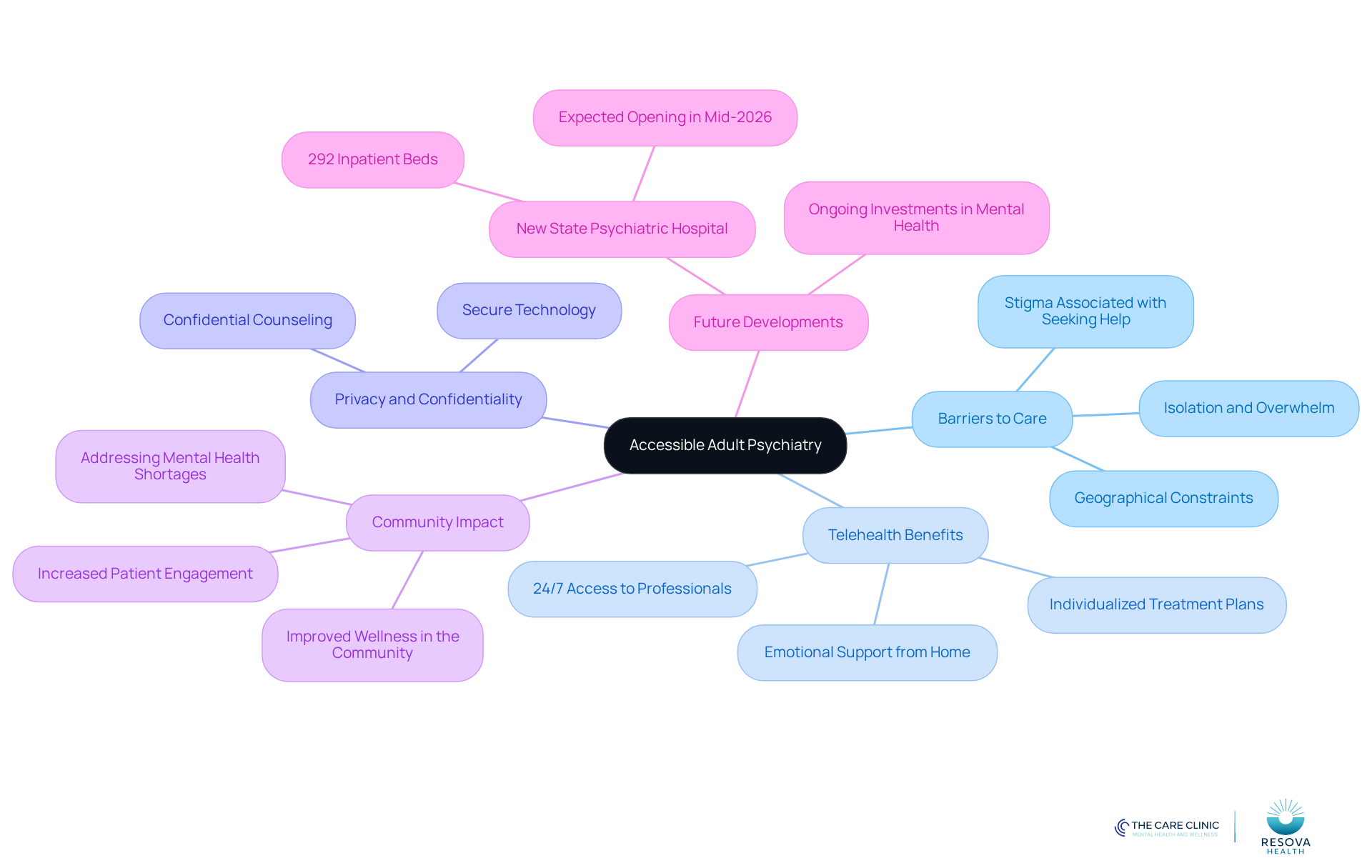
Resova Health addresses a pressing issue in mental health: the accessibility of adult psychiatry Dallas services. Many individuals face barriers to receiving care, whether due to geographical constraints or the stigma associated with seeking help. This situation can lead to feelings of isolation and overwhelm, impacting overall well-being.
Utilizing telehealth technology, Resova Health offers emotional support directly to individuals in their homes. This innovative approach ensures that distance or busy schedules never hinder your well-being, allowing you to connect with top professionals from anywhere. By concentrating on individualized treatment plans and providing continuous support, Resova Health demonstrates a strong commitment to improving wellness within the community.
Here’s what’s happening: our online psychological counseling services effectively eliminate geographical barriers, making it particularly beneficial for those who may feel hesitant about attending in-person therapy sessions. Our services guarantee utmost privacy, allowing you to engage in confidential counseling from the comfort of your own space, supported by secure technology that protects your information.
Next step in treatment: this model not only improves access to care but also aligns with the growing trend of successful adult psychiatry Dallas programs across Texas, which have been shown to significantly increase patient engagement and satisfaction. With the expected inauguration of the new state psychiatric hospital in mid-2026, which aims to address the rising demand for psychological services, Resova Health’s role in providing telehealth solutions becomes even more essential.
As Dr. Daniel K. Podolsky, president of UT Southwestern Medical Center, observed, substantial investments in psychological support initiatives are crucial for addressing the needs of the community. Moreover, tackling the stigma surrounding psychological support services and ensuring accessibility are challenges that Resova Health actively strives to overcome, reinforcing its position as a leader in the sector.
Role of Adult Psychiatrists in Mental Health Diagnosis and Treatment
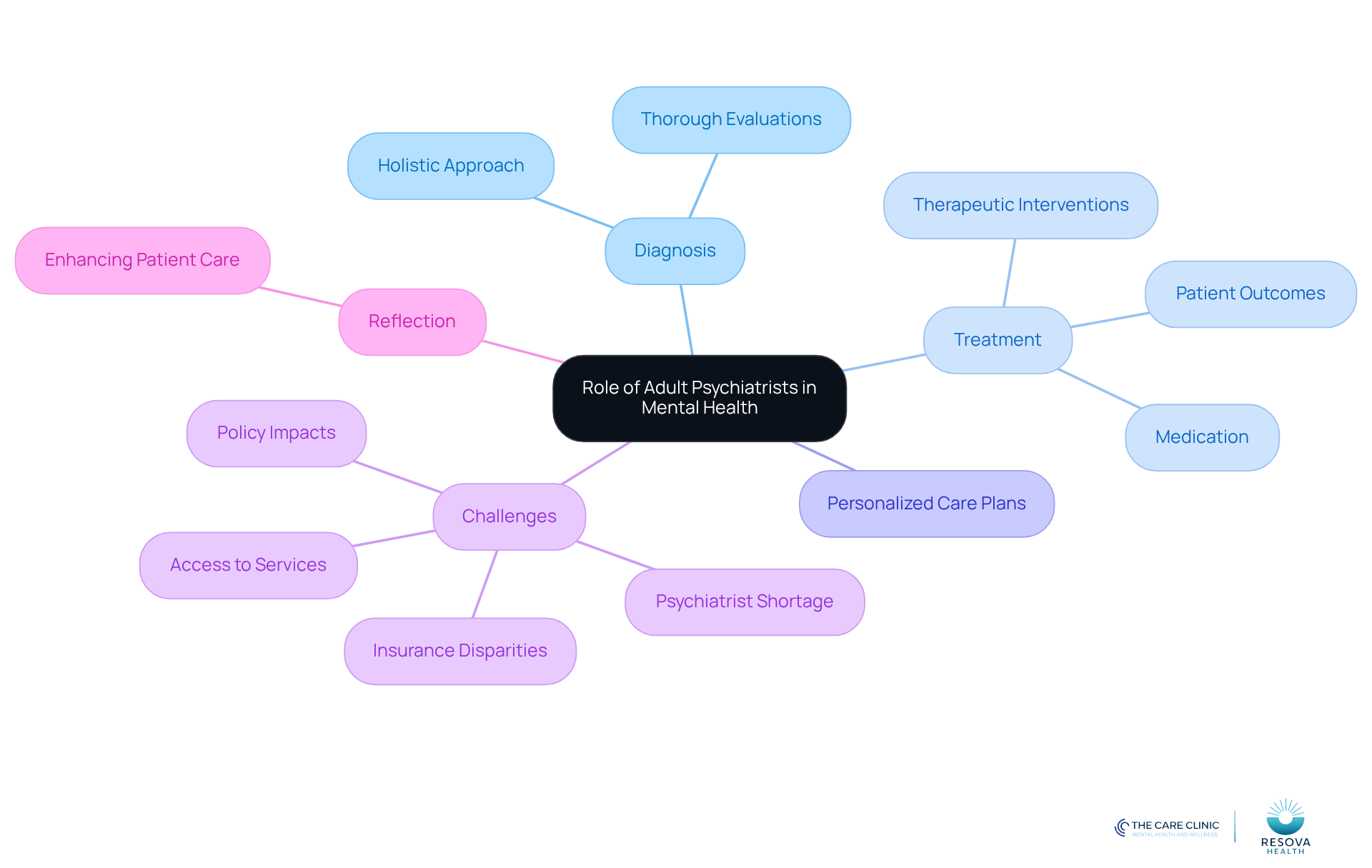
Adult psychiatry in Dallas plays a crucial role in diagnosing and treating mental health conditions, adopting a holistic approach that includes both psychological and physical health. Resova Health’s psychiatrists conduct thorough evaluations to assess each individual’s overall well-being, which is vital for accurate diagnosis. They are trained to prescribe medications, recommend therapeutic interventions, and develop personalized care plans tailored to the unique needs of each patient.
This expertise is increasingly important, especially given that studies show two-thirds to three-quarters of individuals with psychological disorders do not receive necessary treatment. By customizing care to meet the distinct requirements of each patient, psychiatrists specializing in adult psychiatry Dallas at Resova Health effectively tackle complex psychological issues, significantly improving patient outcomes.
Our commitment to accessible psychological counseling ensures that licensed experts provide flexible, confidential support whenever and wherever it’s needed. Furthermore, the anticipated shortage of psychiatrists underscores the urgency of addressing care gaps as the demand for psychiatric services continues to rise.
Common Mental Health Conditions Addressed in Adult Psychiatry
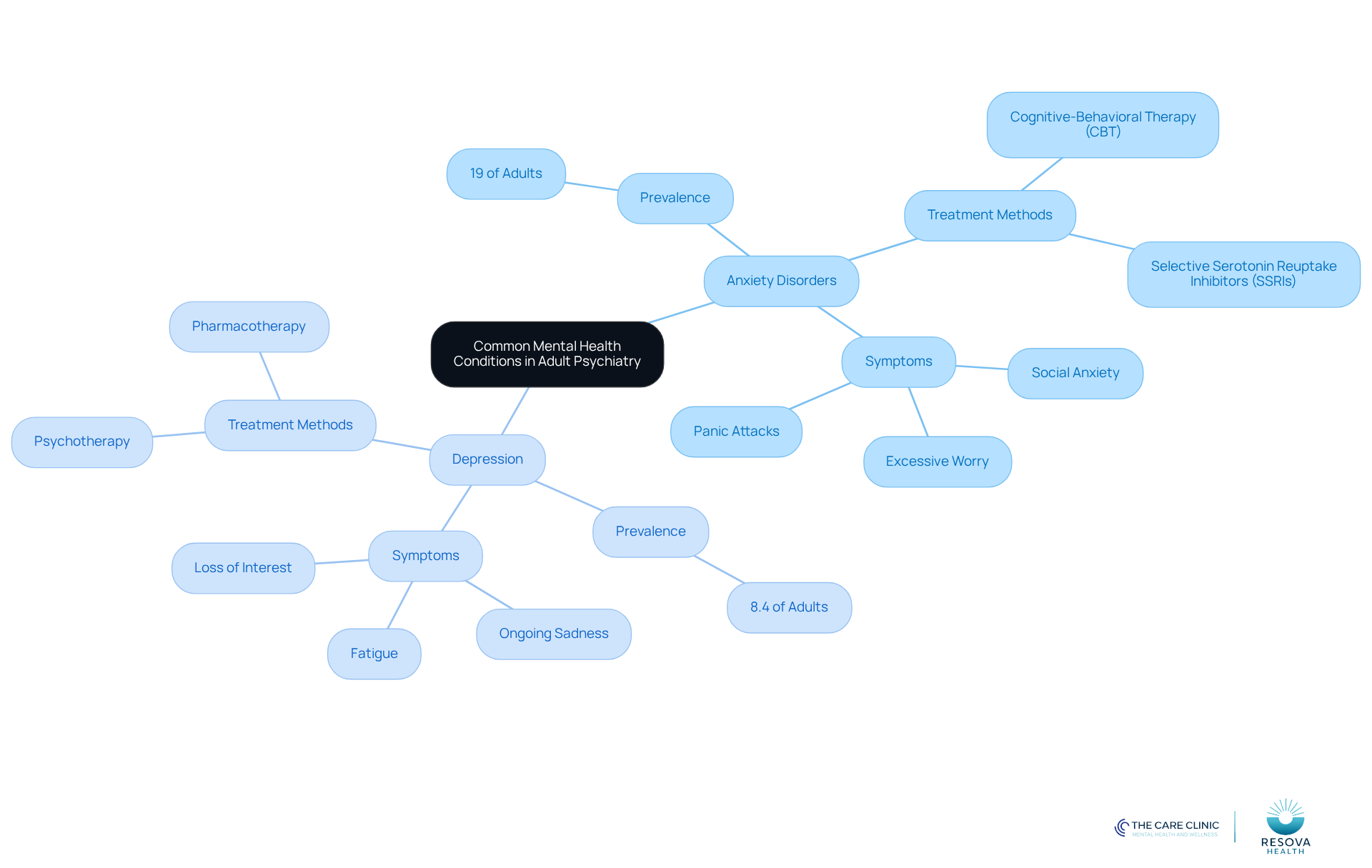
Adult psychiatry in Dallas addresses significant psychological conditions, particularly anxiety disorders and depression. Anxiety disorders affect about 19% of adults in the U.S., presenting as excessive worry, panic attacks, or social anxiety, which can severely disrupt daily functioning. In Texas, approximately 8.4% of adults experience depression, characterized by ongoing sadness, fatigue, and a loss of interest in previously enjoyed activities.
Understanding these conditions is crucial. Anxiety disorders can stem from a combination of genetic, environmental, and psychological factors. Depression often arises from similar roots, including biological imbalances and life stressors. Recognizing these underlying causes is the first step toward effective treatment.
Effective methods for managing anxiety disorders frequently include cognitive-behavioral therapy (CBT). This approach helps individuals reframe negative thought patterns, leading to symptom reduction. Medication options, such as selective serotonin reuptake inhibitors (SSRIs), are also commonly prescribed to alleviate anxiety symptoms.
For depression, successful interventions typically involve a blend of psychotherapy and pharmacotherapy. Research indicates that around 53% of individuals facing a psychological crisis seek assistance from healthcare professionals, underscoring the importance of timely intervention. Psychiatrists emphasize the need for personalized care strategies that consider each person’s unique circumstances and preferences, fostering a supportive environment for recovery.
As emotional well-being gains recognition, particularly among younger adults, integrating innovative care approaches and ongoing support becomes essential in addressing these prevalent conditions. By prioritizing psychological well-being services, individuals can take meaningful steps toward achieving lasting wellness.
Importance of Personalized Treatment Plans in Adult Psychiatry
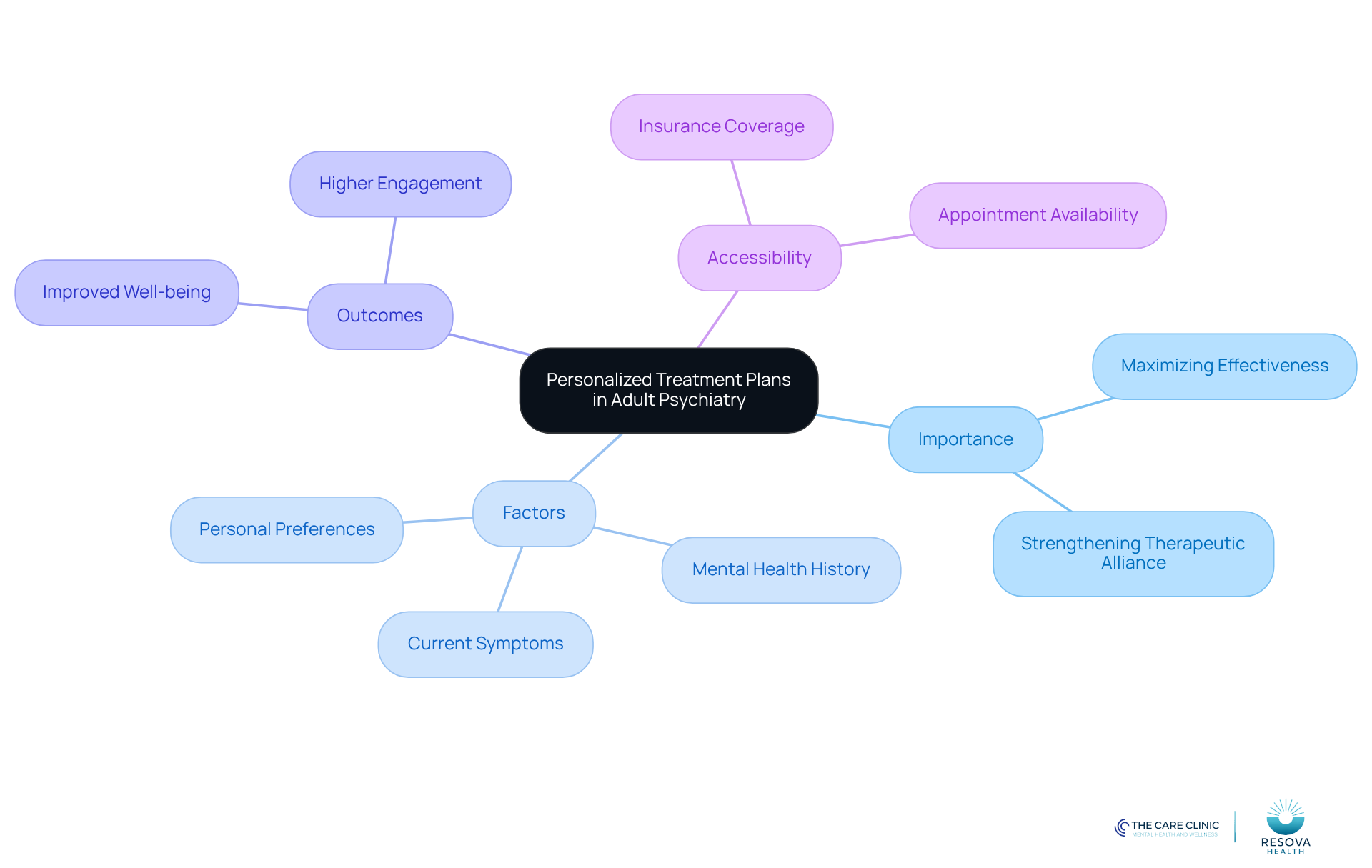
Customized care plans are essential in adult psychiatry Dallas, addressing the unique needs and circumstances of each individual. At Resova Health, we tailor every care plan specifically to your wellness requirements, taking into account various factors such as mental health history, current symptoms, and personal preferences. Research indicates that personalized interventions lead to significantly improved well-being outcomes, with individuals showing higher engagement levels and better recovery rates. By customizing care approaches, we foster a sense of support and understanding, empowering patients to actively participate in their healing journey.
Mental wellness experts emphasize that personalized care is crucial for maximizing effectiveness and strengthening the therapeutic alliance, ultimately resulting in more successful treatment experiences. Furthermore, Resova Health accepts insurance and ensures most appointments are available within 24 hours, underscoring our commitment to accessible and personalized well-being support.
Understanding the Stigma Surrounding Mental Health Care
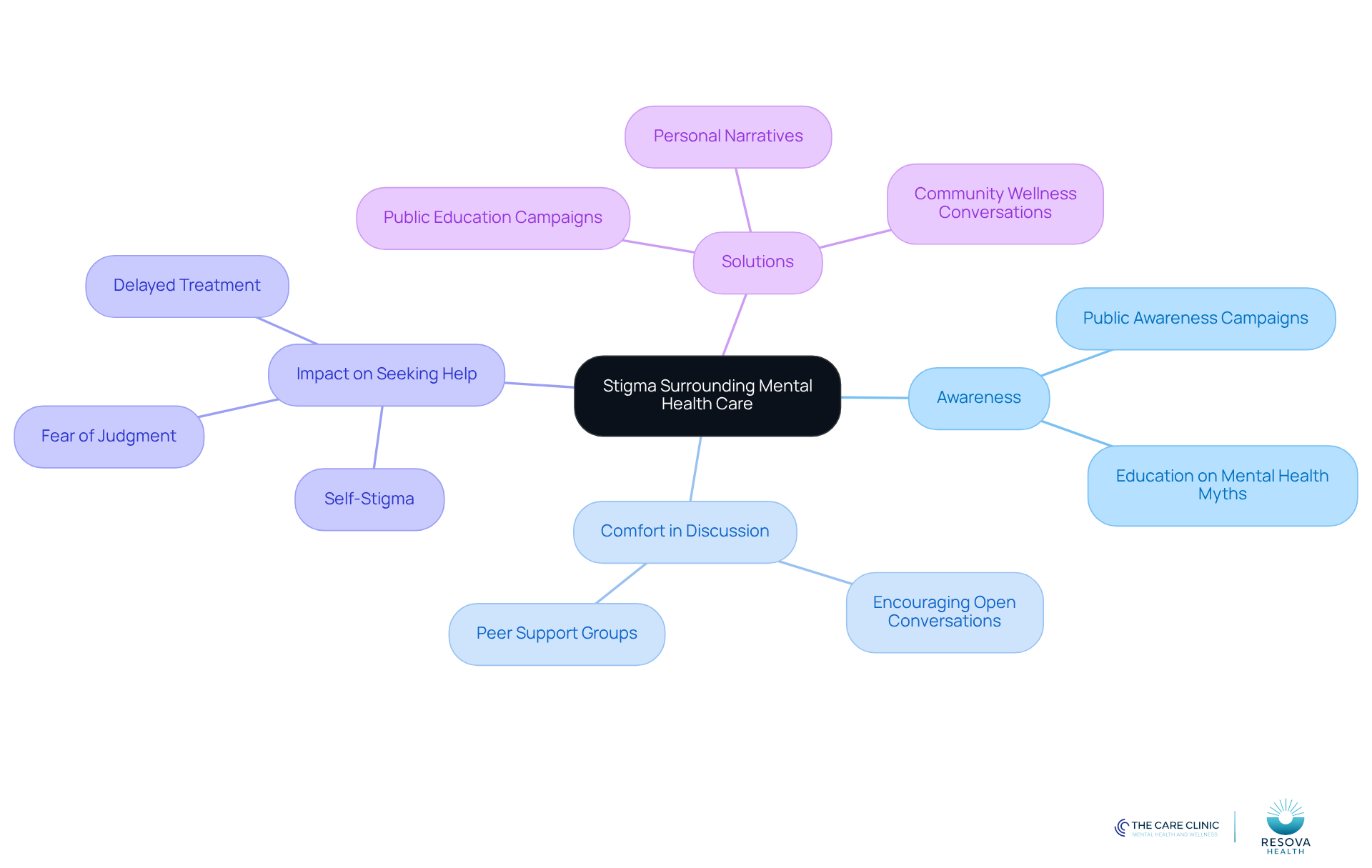
Stigma surrounding psychological care significantly hinders individuals from seeking necessary support. Misunderstandings and unfavorable stereotypes lead to emotions of shame and seclusion. Studies indicate that fewer than half of American adults with psychological disorders obtain treatment. In Dallas, this stigma manifests in various forms, including self-stigma, which can deter individuals from pursuing help in adult psychiatry Dallas.
To address this, it is essential to encourage open discussions about emotional well-being. Public education campaigns, such as NAMI’s StigmaFree Campaign, have successfully raised awareness and fostered understanding, helping to create a more supportive environment.
Approaches to diminish stigma involve fostering compassion through personal narratives and incorporating wellness conversations into community settings. By emphasizing education and awareness, we can enable individuals to seek assistance without fear of judgment. This ultimately enhances well-being outcomes across the region.
Accessibility of Mental Health Services in Dallas: The Role of Technology
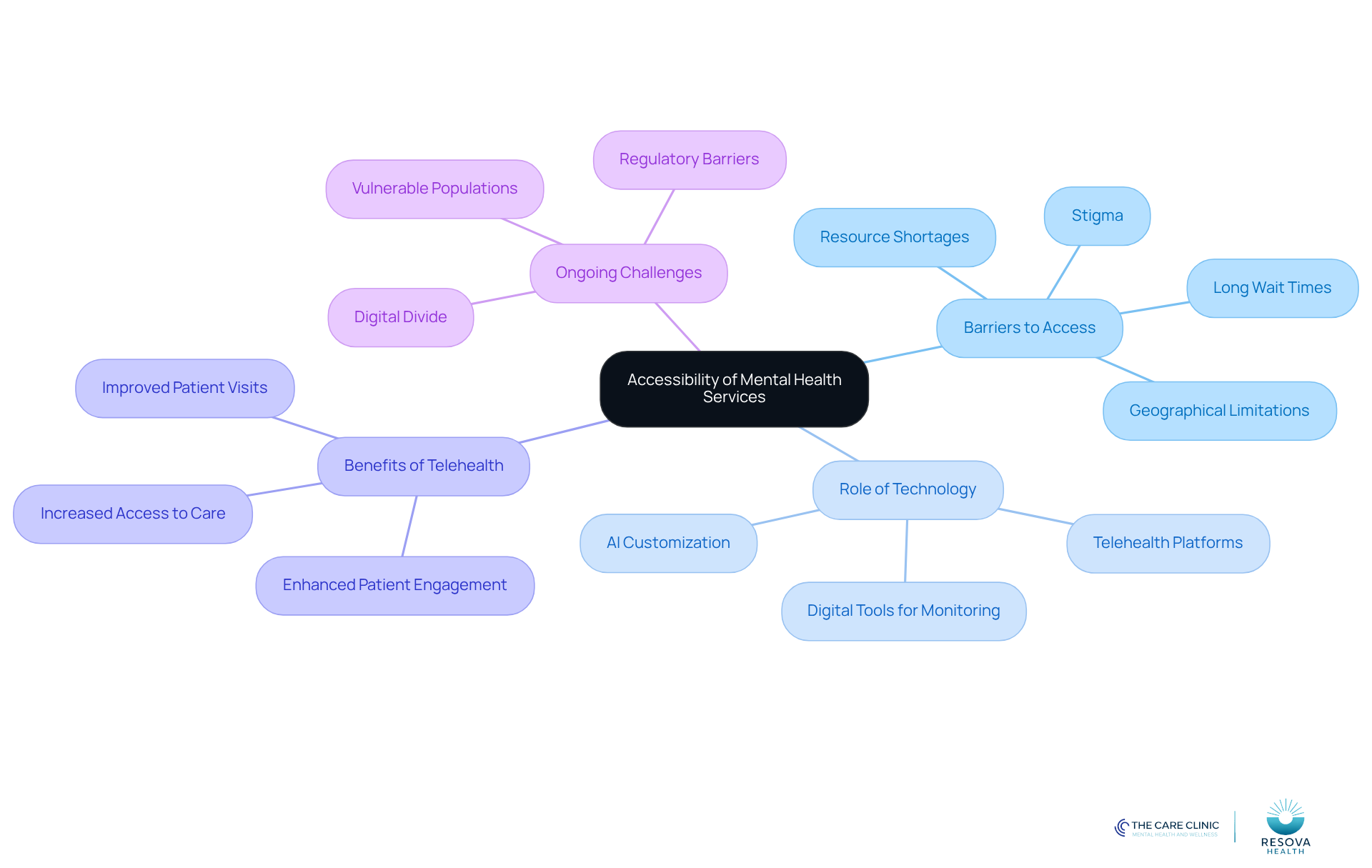
Technology plays a crucial role in addressing the accessibility of adult psychiatry Dallas services. Resova Health’s online counseling platform exemplifies this shift. By enabling individuals to connect with licensed professionals remotely, we break down geographical barriers and significantly reduce wait times for appointments.
Here’s what’s happening: with the ability to access support from anywhere, individuals can receive the same high-quality care as in-person visits. This ensures that distance or busy schedules never hinder their well-being. Research indicates that telemedicine patients with psychological diagnoses have 2 to 3 additional visits annually compared to those who do not use telehealth. This highlights the improved access to care offered by these services.
Next step in treatment: our online resources and wellness applications provide individuals with vital tools and support at their fingertips. This ensures that more people can access the care they require, regardless of their situations. However, it is essential to recognize that barriers still exist for vulnerable populations, which can limit their access to these valuable resources.
As Amy E. Witek, a Clinical and Training Support Specialist, states, “Utilizing telehealth and interactive platforms can transcend traditional barriers to psychological well-being, including sourcing, geography, stigma, and resource shortages, all while also improving outcomes.”
The Importance of Ongoing Support in Adult Psychiatry
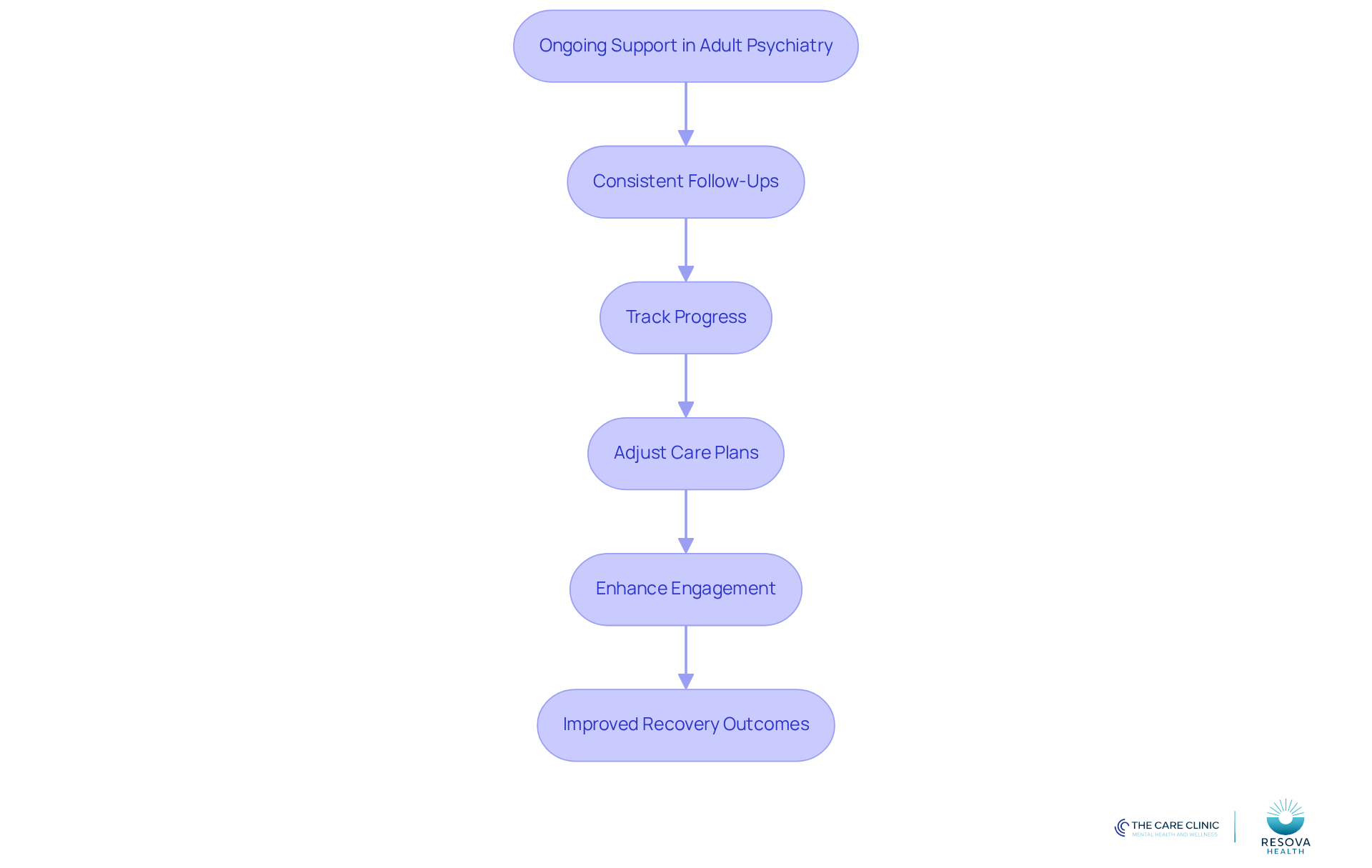
Continuous assistance is vital in adult psychiatry Dallas, as emotional recovery often represents a lengthy journey. Consistent follow-ups with specialists in adult psychiatry Dallas are essential for tracking progress and adjusting care plans as necessary. This ongoing engagement fosters accountability and encourages individuals to stay committed to their recovery. Moreover, it serves as a safety net for those facing challenges, ensuring timely access to support when needed.
Research shows that follow-up rates can significantly affect treatment outcomes. Hospitals exhibit variability in their follow-up performance, with rates ranging from 16% to 95%. Efficient follow-up techniques, such as personalized check-ins and flexible scheduling, can enhance engagement and improve overall well-being outcomes. Prioritizing regular follow-ups in adult psychiatry Dallas can lead to better management of psychiatric conditions and foster a more supportive recovery environment.
Therapeutic Approaches in Adult Psychiatry: Methods and Techniques
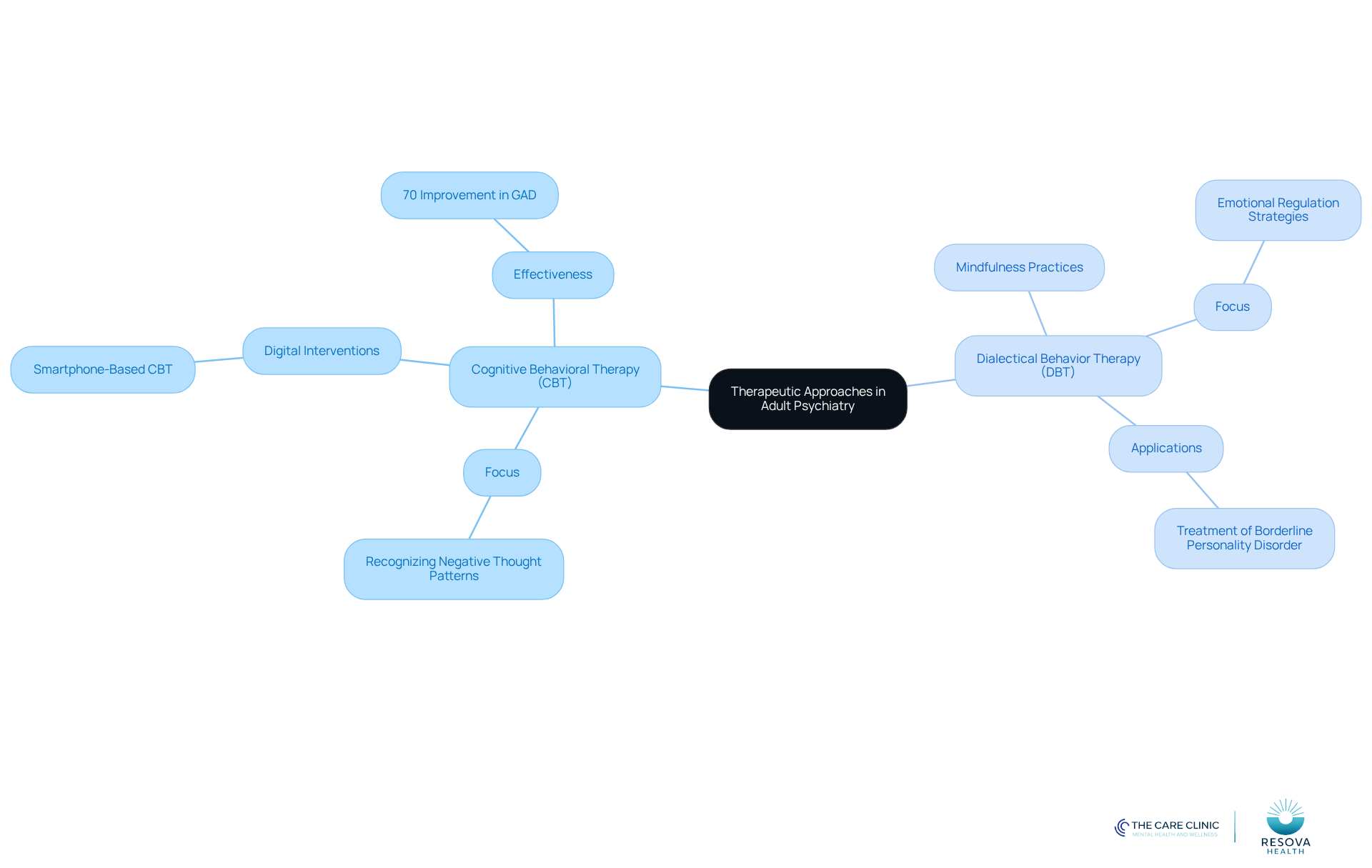
Psychological disorders present significant challenges for individuals, and effective therapeutic methods are essential for addressing these issues. Among the most notable approaches in adult psychiatry Dallas are:
- Cognitive Behavioral Therapy (CBT)
- Dialectical Behavior Therapy (DBT)
CBT focuses on recognizing and modifying negative thought patterns, equipping individuals with practical strategies to manage their symptoms. This method has evolved to include digital interventions, such as smartphone-based CBT, which have demonstrated considerable effectiveness in treating conditions like generalized anxiety disorder (GAD). Recent studies reveal that 70% of participants in online CBT group therapy experienced substantial improvements within just eight weeks, as shown in the Generalized Anxiety Therapy Effectiveness (GATE) clinical trial involving 351 adults with GAD.
DBT, on the other hand, integrates mindfulness practices and emotional regulation strategies, making it particularly effective for those in adult psychiatry Dallas who are grappling with intense emotions and interpersonal challenges. Its successful applications have been documented in treating borderline personality disorder and other mood disorders, showcasing its versatility in clinical settings.
As therapy progresses with the incorporation of innovative techniques and digital tools, understanding these methods empowers patients to engage more actively in their care journey, ultimately enhancing their mental health outcomes.
The Role of Family in Adult Psychiatric Care
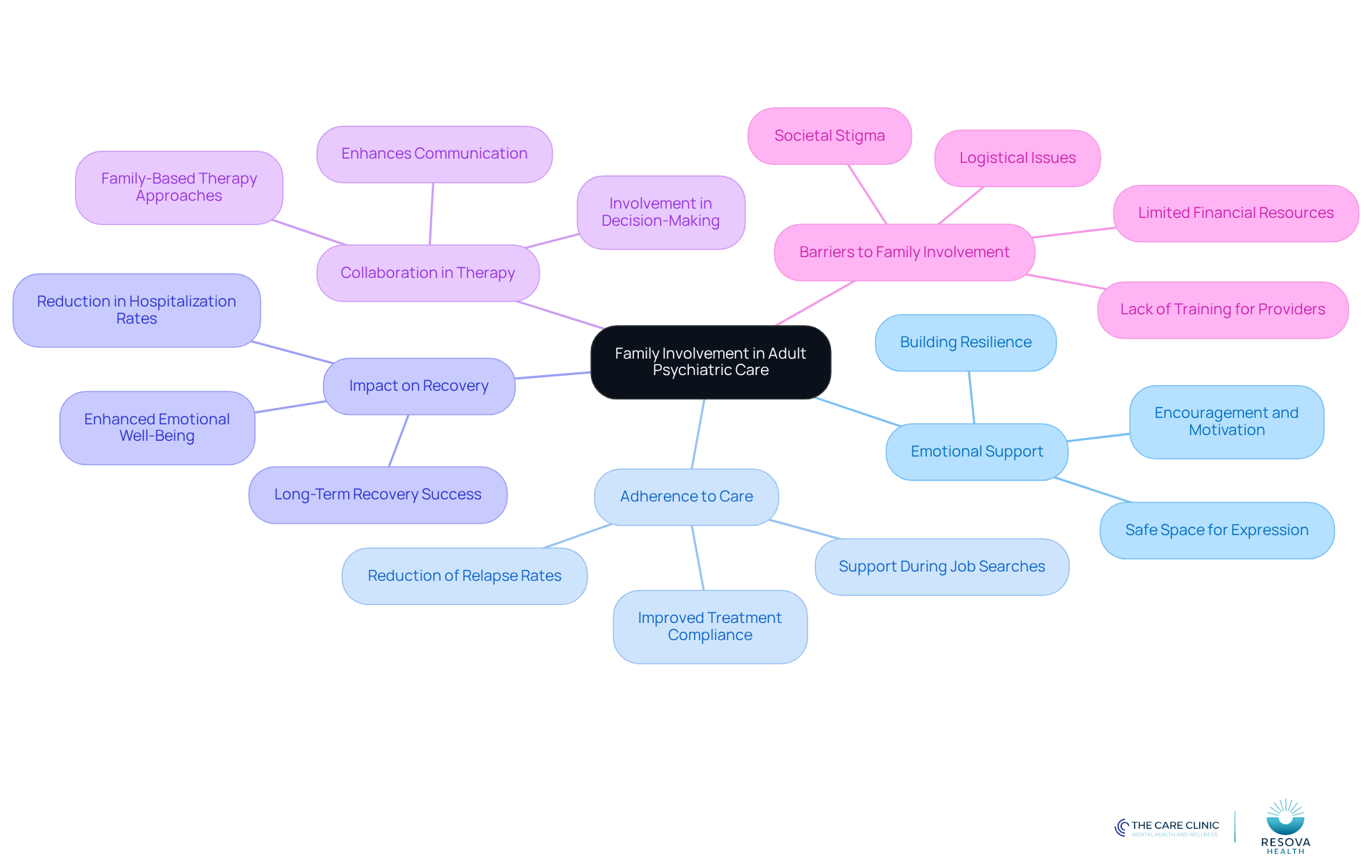
Family involvement is crucial in adult psychiatry Dallas, acting as a foundation for effective recovery. Families provide essential emotional support, assist in adhering to care guidelines, and help establish a stable environment conducive to healing. Involving family members in the care process fosters open communication and understanding, significantly enhancing outcomes.
Research shows that family participation reduces relapse rates and boosts overall emotional well-being, creating a collaborative recovery environment. In adult psychiatry Dallas, psychiatrists often advocate for family involvement in therapy sessions, recognizing that addressing family dynamics can profoundly impact a patient’s psychological health. Nearly all surveyed providers agree that family engagement is vital for improving adherence to care and outcomes, with over 90% acknowledging its importance in managing substance use disorders.
By actively incorporating families into the recovery journey, mental health professionals can harness their support to build resilience and promote lasting wellness.
Future Trends in Adult Psychiatry: Innovations and Developments
The future of adult psychiatry in Dallas presents a significant challenge: how to effectively integrate technological advancements while maintaining the human connection essential for mental health care. As we navigate this evolving landscape, it’s crucial to understand the systemic shifts driving these changes.
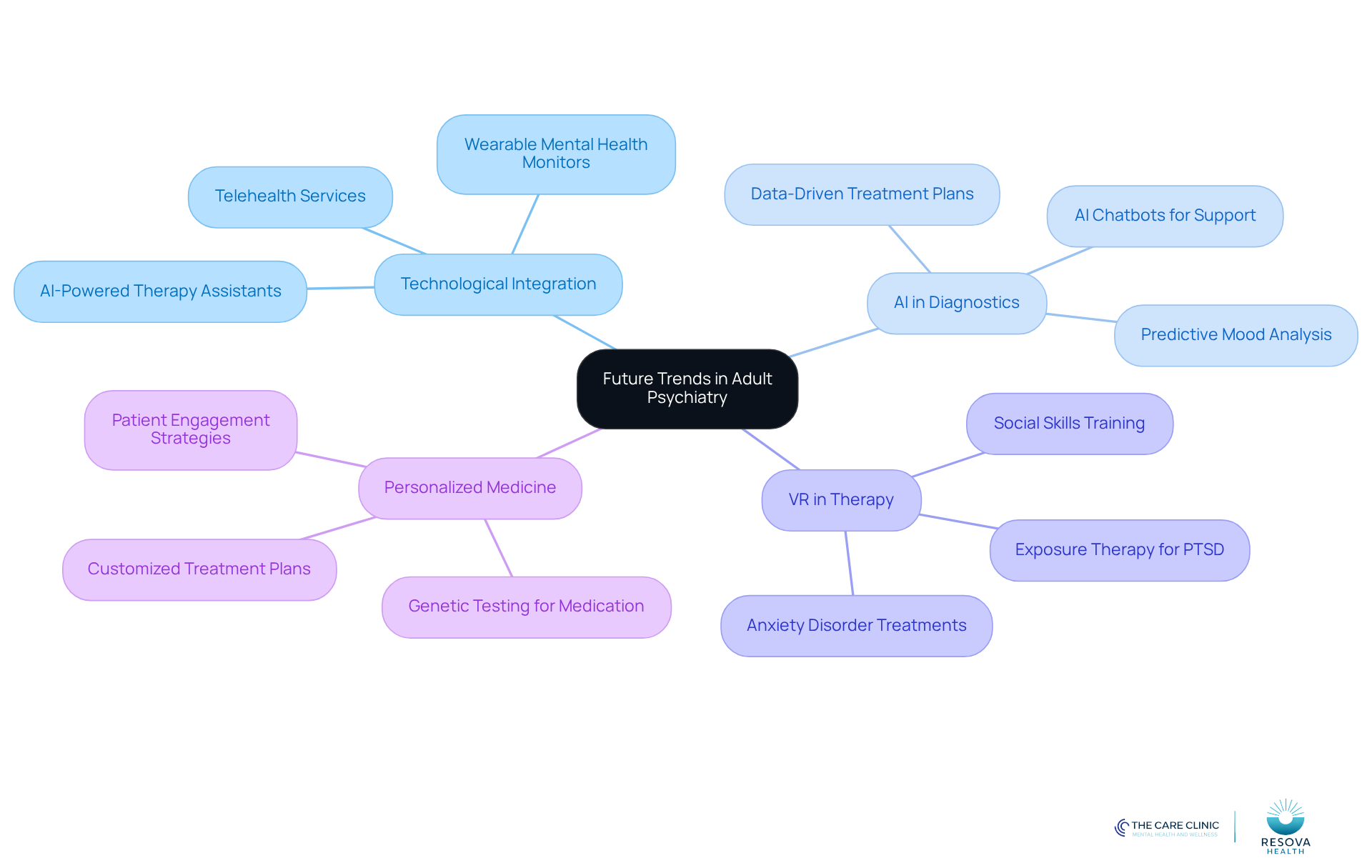
Emerging trends highlight the integration of artificial intelligence (AI) in diagnostic processes. This shift is moving us toward personalized, data-driven approaches that enhance both accuracy and efficiency. For instance, AI systems can analyze individual data to predict mood changes, potentially identifying issues before they escalate. This proactive strategy is further complemented by the use of virtual reality (VR) in therapeutic interventions, which has shown effectiveness in treating conditions like PTSD and anxiety disorders by creating immersive environments for exposure therapy.
Moreover, the growing emphasis on personalized medicine is reshaping psychiatric care. Genetic testing allows psychiatrists to customize medication based on an individual’s genetic profile. This move toward individualized care not only improves treatment outcomes but also fosters greater patient engagement. As psychological care continues to evolve, especially in the field of adult psychiatry in Dallas, it’s essential for practitioners to stay informed about these innovations, ensuring they can leverage the latest advancements to provide optimal care.
Importantly, technology should enhance, not replace, the human connection in mental health care. This reflects a fundamental shift toward more accessible, effective, and personalized psychiatric care.
Conclusion
The landscape of adult psychiatry in Dallas is evolving rapidly, highlighting a pressing need for accessibility and personalized care. Resova Health is at the forefront of this transformation, pioneering solutions that dismantle barriers to mental health services. By leveraging telehealth and offering tailored treatment plans, the clinic ensures individuals receive the necessary support, regardless of their circumstances.
Key points throughout this discussion underscore the importance of:
- Addressing stigma
- The necessity of ongoing support
- The critical role of family in the recovery process
Personalized treatment plans are essential for improving patient outcomes, while advancements in technology are reshaping care delivery. The anticipated growth in adult psychiatry services, including the upcoming state psychiatric hospital, signifies a commitment to meeting the increasing demand for mental health care in the community.
As the field of adult psychiatry continues to evolve, it is crucial for individuals to recognize the importance of seeking help and advocating for accessible mental health services. Embracing these changes enhances personal well-being and fosters a more supportive environment for all. By prioritizing mental health and dismantling barriers that prevent individuals from seeking care, the community can collaboratively create a healthier future for everyone.
Frequently Asked Questions
What is Resova Health and what services does it offer?
Resova Health is a facility in Dallas that focuses on making adult psychiatry services more accessible. It utilizes telehealth technology to provide emotional support directly to individuals in their homes, ensuring that geographical constraints and busy schedules do not hinder access to care.
How does Resova Health address barriers to mental health care?
Resova Health eliminates geographical barriers by offering online psychological counseling services, which are particularly beneficial for those hesitant to attend in-person therapy. The services guarantee privacy and confidentiality, allowing individuals to receive support from the comfort of their own space.
What is the significance of the upcoming state psychiatric hospital in 2026?
The new state psychiatric hospital, expected to open in mid-2026, aims to meet the rising demand for psychological services. Resova Health’s telehealth solutions will play a crucial role in providing accessible care as this demand increases.
What role do adult psychiatrists play in mental health diagnosis and treatment?
Adult psychiatrists at Resova Health conduct thorough evaluations to diagnose and treat mental health conditions. They are trained to prescribe medications, recommend therapeutic interventions, and develop personalized care plans tailored to each patient’s unique needs.
What common mental health conditions are addressed in adult psychiatry?
Adult psychiatry in Dallas primarily addresses anxiety disorders and depression. Anxiety disorders affect about 19% of adults in the U.S., while approximately 8.4% of adults in Texas experience depression.
What are the effective methods for managing anxiety disorders and depression?
For anxiety disorders, cognitive-behavioral therapy (CBT) and medications like selective serotonin reuptake inhibitors (SSRIs) are commonly used. For depression, successful treatment typically involves a combination of psychotherapy and pharmacotherapy.
Why is personalized care important in adult psychiatry?
Personalized care is essential because it considers each individual’s unique circumstances and preferences, which fosters a supportive environment for recovery and significantly improves patient outcomes.
What is the overall commitment of Resova Health?
Resova Health is committed to providing accessible psychological counseling and continuous support to improve wellness in the community, while also addressing the stigma surrounding mental health services.
List of Sources
- Resova Health: Pioneering Accessible Adult Psychiatry in Dallas
- What to know about first state psychiatric hospital in Dallas (https://dallasnews.com/news/2025/12/26/what-to-know-about-first-state-psychiatric-hospital-in-dallas)
- UT Southwestern to open DFW’s first state behavioral health hospital this summer (https://utsouthwestern.edu/newsroom/articles/year-2025/dec-texas-behavioral-health-center.html)
- UTSW to open first state psychiatric hospital in Dallas in summer 2026 (https://dallasnews.com/news/2025/12/24/utsw-to-open-first-state-psychiatric-hospital-in-dallas-in-summer-2026)
- UT Southwestern tapped to run DFW’s first state behavioral health hospital (https://keranews.org/health-wellness/2025-12-29/ut-southwestern-state-behavioral-health-hospital-dallas)
- UT Southwestern Medical Center to run North Texas’ first state-run psychiatric hospital (https://cbsnews.com/texas/news/ut-southwestern-medical-center-north-texas-first-state-run-psychiatric-hospital)
- Role of Adult Psychiatrists in Mental Health Diagnosis and Treatment
- New Medicaid Work Rules Threaten Mental Health Coverage (https://psychiatrist.com/news/new-medicaid-work-rules-threaten-mental-health-coverage)
- Mental Health Diagnoses Take Unprecedented Leap (https://psychiatrist.com/news/mental-health-diagnoses-take-unprecedented-leap)
- The Rise of Interventional Psychiatry (https://medicine.yale.edu/news/yale-medicine-magazine/article/the-rise-of-interventional-psychiatry)
- New Policies Affecting Access to Mental Health Care (https://updates.apaservices.org/new-policies-affecting-access-to-mental-health-care)
- A growing psychiatrist shortage and an enormous demand for mental health services (https://aamc.org/news/growing-psychiatrist-shortage-enormous-demand-mental-health-services)
- Common Mental Health Conditions Addressed in Adult Psychiatry
- Mental Health A Popular New Year’s Resolution, Survey Finds (https://usnews.com/news/health-news/articles/2026-01-05/mental-health-a-popular-new-years-resolution-survey-finds)
- More Americans Plan Mental Health Resolutions Heading Into 2026 (https://psychiatry.org/news-room/news-releases/more-americans-plan-mental-health-resolutions-2026)
- Mental Health Crisis Hits Nearly 1 in 10 U.S. Adults | Johns Hopkins Bloomberg School of Public Health (https://publichealth.jhu.edu/2025/mental-health-crisis-hits-nearly-1-in-10-us-adults)
- The State of Mental Health in America | Mental Health America (https://mhanational.org/the-state-of-mental-health-in-america)
- Importance of Personalized Treatment Plans in Adult Psychiatry
- Revolutionizing Behavioral Health Through Technology and AI: The Promise of Personalized Care (https://behavioralhealthnews.org/revolutionizing-behavioral-health-through-technology-and-ai-the-promise-of-personalized-care)
- AI, neuroscience, and data are fueling personalized mental health care (https://apa.org/monitor/2026/01-02/trends-personalized-mental-health-care)
- New precision mental health care approach for depression addresses unique patient needs (https://news.arizona.edu/news/new-precision-mental-health-care-approach-depression-addresses-unique-patient-needs)
- Understanding the Stigma Surrounding Mental Health Care
- Mental Health Matters: Youth Voices Call for Action and an End to Stigma (https://news.blueshieldca.com/2025/12/09/mental-health-matters-youth-voices-call-for-action-and-an-end-to-stigma)
- Addressing self-stigma in mental health treatment | AOTA (https://aota.org/publications/ot-practice/ot-practice-issues/2026/addressing-self-stigma-in-mental-health-treatment)
- The Impact of Stigma on Mental Health: Barriers, Consequences, and Solutions (https://henryford.com/MIMind/News/Blog/The-Impact-of-Stigma-on-Mental-Health)
- Stigma, Prejudice and Discrimination Against People with Mental Illness (https://psychiatry.org/patients-families/stigma-and-discrimination)
- Accessibility of Mental Health Services in Dallas: The Role of Technology
- UT Southwestern Medical Center to run North Texas’ first state-run psychiatric hospital (https://cbsnews.com/texas/news/ut-southwestern-medical-center-north-texas-first-state-run-psychiatric-hospital)
- Telehealth is now a long-term part of Medicare mental health care | Managed Healthcare Executive (https://managedhealthcareexecutive.com/view/telehealth-is-now-a-long-term-part-of-medicare-mental-health-care)
- Leveraging Technology to Enhance Mental Health Services for Children and Families (https://behavioralhealthnews.org/leveraging-technology-to-enhance-mental-health-services-for-children-and-families)
- Geographic disparities in telemedicine mental health use by applying three way ANOVA on Medicaid claims population data – PMC (https://pmc.ncbi.nlm.nih.gov/articles/PMC11034036)
- The Importance of Ongoing Support in Adult Psychiatry
- Leading mental health organizations applaud reintroduction of PEERS in Medicare Act in Congress | Mental Health America (https://mhanational.org/news/leading-mental-health-organizations-applaud-reintroduction-of-peers-in-medicare-act-in-congress)
- Impact of Psychiatric Follow-Up Frequency on Outcomes and Waiting Times | AJMC (https://ajmc.com/view/impact-of-psychiatric-follow-up-frequency-on-outcomes-and-waiting-times)
- The Importance of Having a Support System (https://mentalhealthfirstaid.org/news/the-importance-of-having-a-support-system)
- Will Patients Follow Up After Psychiatric Hospitalization? That Might Depend on the Hospital | University of Maryland | School of Public Health (https://sph.umd.edu/news/will-patients-follow-after-psychiatric-hospitalization-might-depend-hospital)
- Therapeutic Approaches in Adult Psychiatry: Methods and Techniques
- A Smartphone CBT App Alleviated Anxiety Symptoms In Adults More Than An App That Provided Psychoeducation – OPEN MINDS (https://openminds.com/market-intelligence/news/a-smartphone-cbt-app-alleviated-anxiety-symptoms-in-adults-more-than-an-app-that-provided-psychoeducation)
- The top 6 trends shaping therapy in 2026 (https://simplepractice.com/blog/trends-shaping-therapy-2026)
- Smartphone App Offers Effective and Accessible Treatment for Obsessive-Compulsive Disorder | Mass General Brigham (https://massgeneralbrigham.org/en/about/newsroom/press-releases/app-offers-treatment-for-obsessive-compulsive-disorder)
- The Role of Family in Adult Psychiatric Care
- The Role of Family Support in Mental Health Recovery (https://heartwisesupport.org/post/the-role-of-family-support-in-mental-health-recovery)
- Centering the Family: What It Means to Implement Family-Focused Practice (FFP) in Adult Mental Health Care (https://behavioralhealthnews.org/centering-the-family-what-it-means-to-implement-family-focused-practice-ffp-in-adult-mental-health-care)
- Weekly Mind Reader: Clinicians Endorse Family Support for SUDs (https://psychiatrist.com/news/weekly-mind-reader-clinicians-endorse-family-support-for-suds)
- Supporting Recovery Together: The Impact of Family Involvement on Housing and Employment Outcome (https://behavioralhealthnews.org/supporting-recovery-together-the-impact-of-family-involvement-on-housing-and-employment-outcome)
- Future Trends in Adult Psychiatry: Innovations and Developments
- Technology and the Future of Mental Health Treatment (https://nimh.nih.gov/health/topics/technology-and-the-future-of-mental-health-treatment)
- How Mental Health Tech Innovations Are Transforming Care | Behaivior Blog (https://behaivior.com/post/how-behavioral-health-technology-is-changing-mental-health-care)