Addiction has become so widespread that some forms are now considered epidemics. According to data, 48.5 million Americans struggle with substance use each year. A common question is: How does addiction form? While many factors play a role, one key element is the brain chemical dopamine, which reinforces harmful behaviors by creating feelings of reward. This link between dopamine and addiction can be difficult to break – but not impossible. At Resova Health, we use holistic mental health treatment that supports the body, mind, and spirit to help clients achieve lasting recovery. In this article, we’ll explore how dopamine fuels addiction, how the brain’s reward system plays a role, and what you can do to interrupt this cycle.
What Is Dopamine?
Dopamine is a neurotransmitter, a brain chemical that transmits messages between neurons. Dopamine plays an important role in many functions, including learning, attention, mood, movement, sleep, and pain processing. It is often considered a feel-good chemical because it helps us experience pleasure. When we engage in certain activities—such as eating, exercising, or achieving a goal—dopamine is released, creating a sense of satisfaction. A large release of dopamine is often called a “dopamine rush.” But while dopamine is associated with pleasure, its primary role is motivation. It reinforces behaviors by making us want to repeat them.
This reinforcement system is where addiction begins. Just like with healthy habits, dopamine surges can also occur during harmful behaviors—such as drug use or compulsive sex – driving people to repeat them despite the consequences.
The Brain’s Reward System
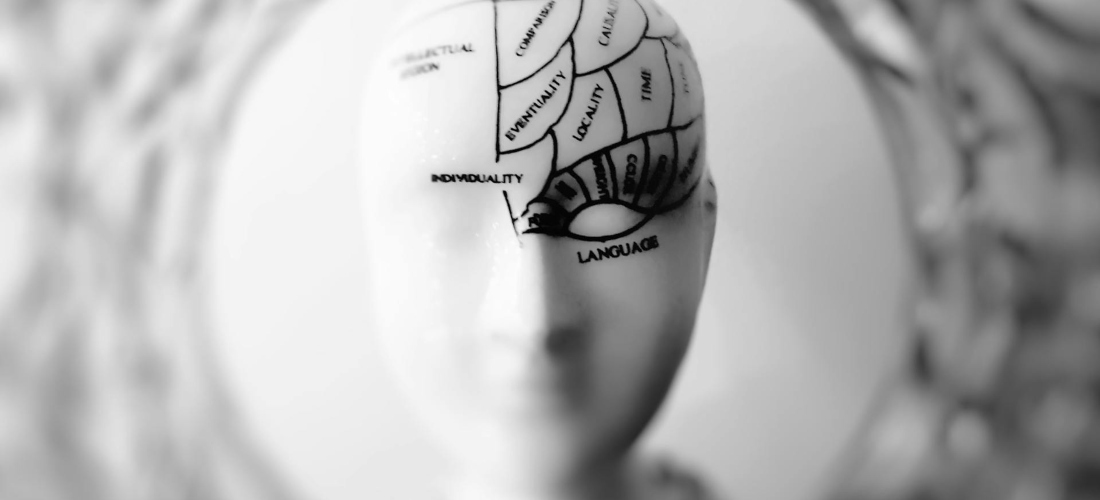
Several areas of the brain are involved in the brain reward system. Everything begins in the ventral tegmental area (VTA), from where projections are sent to the nucleus accumbens, the brain’s so-called motivation hub. The link between the nucleus accumbens and addiction is further strengthened by the prefrontal cortex, which is responsible for self-control.
The mechanism by which dopamine reinforces behavior is quite simple. When dopamine is released in the nucleus accumbens, it gets marked by memory as something that felt good. Over time, different cues can act as triggers and activate dopamine pathways. These pathways can further create cravings and ultimately lead to repeated behavior.
How Dopamine Reinforces Addictive Behaviors
Pleasurable activities trigger a burst of dopamine in the brain’s reward system. Over time, your brain starts associating certain cues or actions with that dopamine rush, reinforcing their repetition. This is the basis of dopamine and habit formation. The brain is more likely to seek out actions that yield pleasurable rewards. This mechanism explains how dopamine leads to addiction. You are chasing that rewarding feeling despite knowing about the negative consequences of certain actions.
Whether it’s substances like alcohol or cocaine or behaviors like social media use, gambling, or gaming, the pattern remains the same. These triggers cause spikes in dopamine levels, which keep people addicted. This topic is particularly relevant in the fields of behavioral addiction and dopamine research because it demonstrates that even habits not involving substances can lead to psychological dependence.
Can You Be Addicted to Dopamine?
Despite the strong association between dopamine and addiction, you can’t be addicted to dopamine itself. Dependence and addiction form around a substance or behavior that overtakes dopamine pathways and creates surges of pleasure and, therefore, motivation to engage. This is the truth behind addicted to dopamine myth.
Dr. Anna Lembke, a Stanford Medical School psychiatrist, speaking about dopamine addiction facts that emerged from her research, says about dopamine that “it may be even more important for motivation than for actual pleasure.” Her studies help answer the question: Can you be addicted to dopamine? Her work contributes to understanding the bond between dopamine and addiction.
The Role of Dopamine in Various Addictions
Dopamine plays a key role in both substance use and behavioral addictions. When it comes to dopamine and drug addiction, it’s important to note that different substances can affect the release of dopamine in various ways. For instance, stimulants block the reuptake of dopamine, allowing it to accumulate in the brain’s reward circuit. Opioids indirectly enhance dopamine, intensifying feelings of euphoria. This demonstrates that the relationship between dopamine and addiction is primarily defined by the manipulation of the dopamine pathways.
Similarly, when it comes to dopamine and behavioral addiction, activities like gambling, gaming, or compulsive social media usage rely on unpredictable rewards. Each reward provides a quick dopamine hit, which reinforces the addictive behavior.
This shows how dopamine affects different addictions, whether chemical or behavioral. Furthermore, seeking this dopamine rush can lead to negative long-term effects.

Long-Term Effects of Dopamine Dysregulation
The overstimulation of dopamine pathways for a prolonged period results in brain adaptation, also known as neuroadaptation. The ultimate consequence is a reduction in dopamine receptor sensitivity. This dopamine tolerance means that greater stimulation is needed to achieve the same effects.
The effects of dopamine dysregulation emerging from addiction can lead to serious consequences over time. Everyday activities that used to be enjoyable can no longer provide satisfaction. The drop in dopamine levels can lead to withdrawal symptoms like low mood, irritability, or intense cravings.
The long-term impact of addiction on dopamine and emotional well-being is evident. You will likely need professional help to break the toxic link between dopamine and addiction.
Recovery and Rebalancing the Dopamine System
It’s possible to break the bond between dopamine and addiction, and there are several ways to do it. The safest way to address addiction, and with that, the dopamine and addiction relationship, is by choosing professional assistance. However, solely relying on professionals is insufficient.
So, then, what’s the answer to the question of how to balance dopamine levels? For a true, long-term change, you also need to rethink your lifestyle choices. Here is the best combination of treatments that will support your recovery.
- To establish chemical equilibrium and address cravings, it’s best to start any addiction program with medication assisted treatment. Medications help ensure comfort and restore the balance your brain needs. You shouldn’t self-medicate, as it can have devastating consequences. We at Resova Health can safely guide you.
- Addressing the underlying causes of your addiction is crucial. Approaches like cognitive-behavioral therapy (CBT) ensure that you break patterns of maladaptive behavior and develop healthy coping mechanisms. Psychotherapeutic work during your outpatient therapy for drug addiction provides sustainable support for lifelong sobriety.
- Your lifestyle is an important contributor while recovering from dopamine addiction. Making healthy choices and opting for natural ways to increase dopamine will ensure the long-term commitment that addiction recovery requires. Sustainability of support and recovery is one of the main reasons people are choosing online addiction treatment, as it easily fits with any daily routine.

Frequently Asked Questions
Can you be addicted to dopamine?
- While the bond between dopamine and addiction is strong, you can’t be addicted to dopamine itself. Dopamine surges can contribute to getting addicted to substances or behaviors because of how they make you feel, but as it is naturally in your body, it can’t be the object of addiction.
How does dopamine contribute to addiction?
- The use of certain substances causes dopamine rushes. As these dopamine surges make you feel good, they motivate you to repeat the experience, in this case, drug misuse. If this circuit were to repeat itself and maladaptive behavior became more frequent, the reward system linked to dopamine would lead to addiction. This explains the dopamine and addiction connection.
What activities increase dopamine levels?
- Dopamine is naturally released in your body, on some occasions more than others. It can be used for healthy habit-forming equally as it contributes to addiction. The reward-reinforcement mechanism would work if you chose some alternative coping techniques to deal with stress. For instance, dopamine gets released when you exercise, meditate, or listen to music.
How can you reset your dopamine system?
- As dopamine makes you feel good, once a habit that leads to its release is formed, it is difficult to abandon. However, you can reset your dopamine system with some effort. One of the strategies is dopamine fasting, a choice not to indulge in activities that lead to dopamine surges. An alternative strategy is to implement lifestyle changes and replace maladaptive behaviors with healthier ones that produce similar effects on dopamine.
Break the Cycle of Dopamine and Addiction
Dopamine plays a central role in addiction, but it can also be part of your recovery. By understanding how it influences behavior, you can take steps to rebalance your brain’s reward system. With the right lifestyle changes and professional help, healing is possible. If you’re ready to take control and make a lasting change, reach out to Resova Health. Our expert team is here to guide you every step of the way.
Resources:
https://www.health.harvard.edu/mind-and-mood/dopamine-the-pathway-to-pleasure
https://pubmed.ncbi.nlm.nih.gov/31905114/
https://nida.nih.gov/publications/drugs-brains-behavior-science-addiction/drugs-brain
https://www.sciencedirect.com/science/article/pii/S0896627300810569
https://www.news-medical.net/health/Addiction-and-Dopamine.aspx