Introduction
In the intricate realm of healthcare, effective medication management emerges as a vital component for ensuring patient safety and enhancing treatment outcomes. Alarmingly, statistics reveal that over half of prescription errors occur during transitions of care, underscoring the pressing need to refine medication practices. This article explores best practices for medication management in Birmingham, providing healthcare providers with actionable insights to establish structured frameworks, implement personalized plans, and foster interdisciplinary collaboration.
How can providers navigate the complexities of medication management to not only reduce errors but also empower patients and improve overall health outcomes? Here’s what’s happening: the landscape of medication management is fraught with challenges, but with intelligent systems and compassionate care, we can restore balance and enhance patient safety.
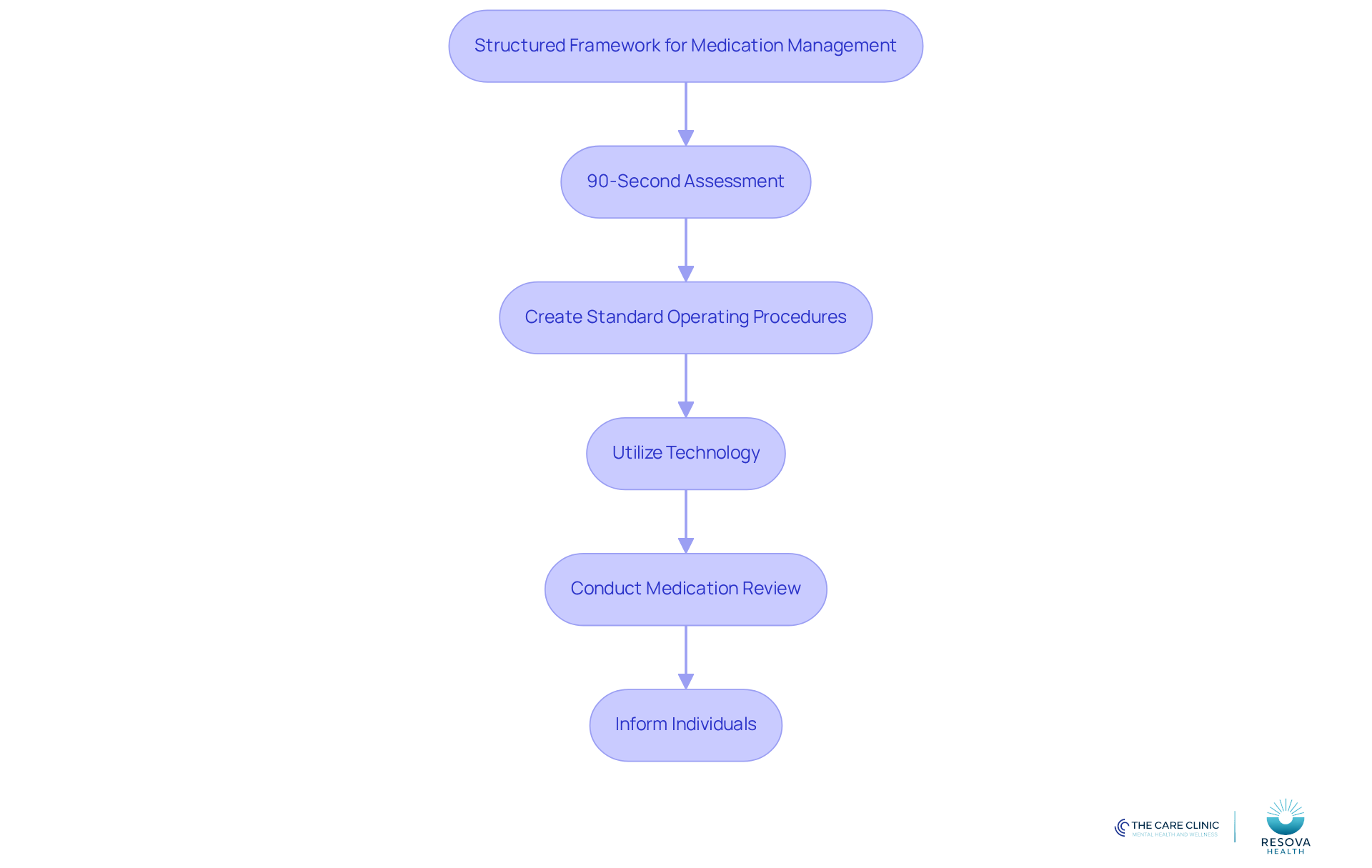
Establish a Structured Framework for Medication Management
To establish a structured framework for medication management Birmingham, healthcare providers must address a critical issue: the high incidence of medication errors. Over 50% of prescription errors occur during transitions of care, leading to significant patient safety concerns. In Australia alone, medication-related errors contribute to approximately 250,000 hospital admissions each year, costing the healthcare system an estimated $1.4 billion annually.
-
Create Standard Operating Procedures (SOPs)
Develop clear SOPs that outline the drug handling process, including prescribing, dispensing, and monitoring. This clarity ensures that all team members understand their roles and responsibilities, which is essential for minimizing errors. -
Utilize Technology
Leverage electronic health records (EHRs) and medication oversight software to track prescriptions, dosages, and patient adherence. These tools not only reduce errors but also enhance communication among healthcare providers. Consistent infusion interface designs and alert management can significantly improve medication safety. -
Conduct Medication Review
Regularly assess and reconcile treatments during client visits to ensure accuracy and suitability. This proactive approach helps identify discrepancies and prevents adverse drug events, which are crucial for patient safety. As Dr. Phoebe Holdenson Kimura emphasizes, stewardship of pharmaceutical management does not end at discharge. -
Inform Individuals
Provide patients with informative resources about their treatments, including potential side effects and the importance of compliance. Empowering individuals with knowledge fosters better involvement in their treatment plans, ultimately leading to improved health outcomes. Natalie Kahwajy notes that recognizing a mutual commitment to stewardship during care transitions can significantly reduce the risk of harm from medication errors.
By creating a structured framework for medication management Birmingham, healthcare providers can improve the safety and effectiveness of treatment management, leading to better patient outcomes and reducing the risks associated with prescription errors.
Implement Personalized Medication Plans for Individual Needs
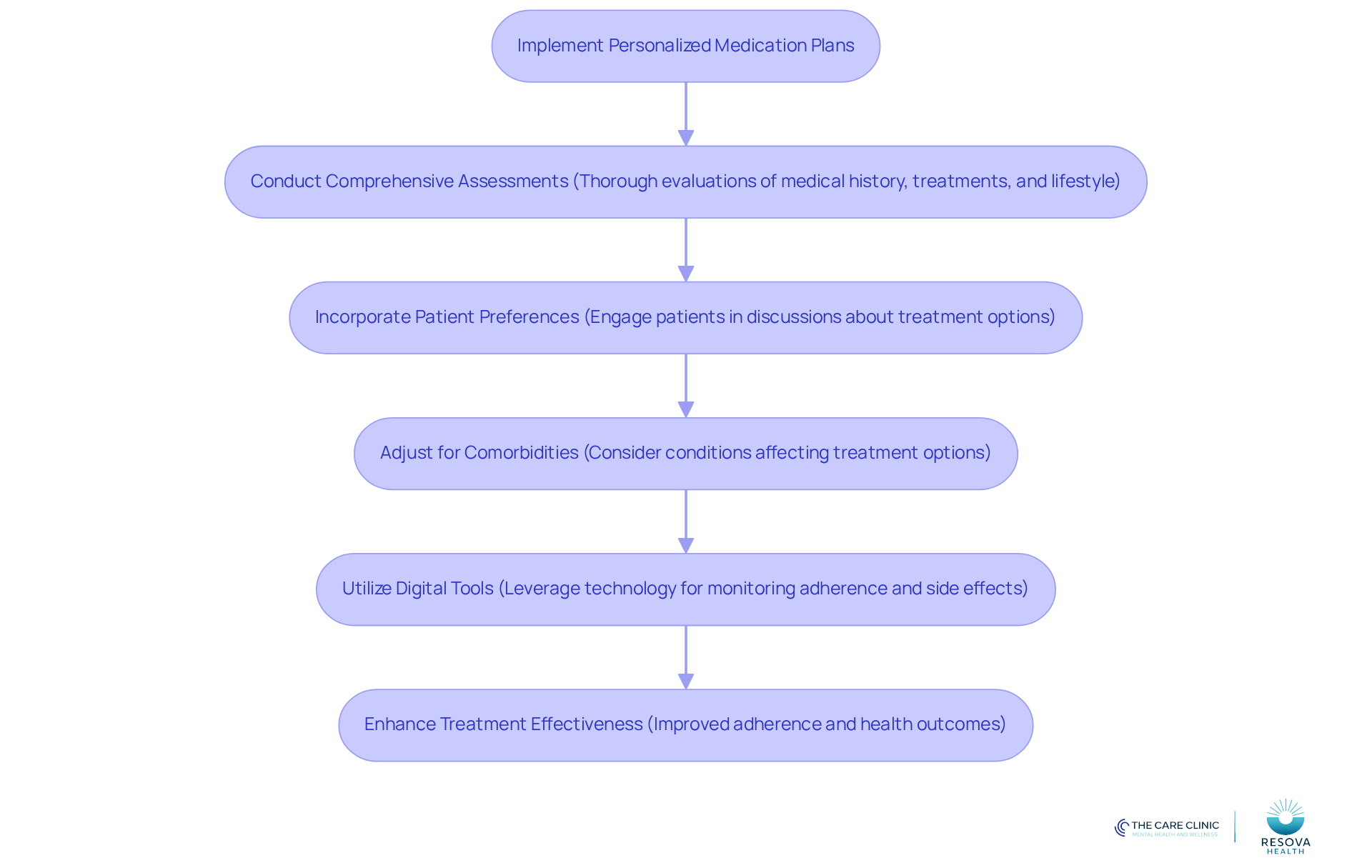
To implement personalized medication management Birmingham plans effectively, it’s essential to address the need for tailored approaches in patient care. Here’s a quick reflective checklist for clinicians to evaluate their current practices:
Conduct Comprehensive Assessments: Initiate the process with thorough evaluations that encompass medical history, current treatments, and lifestyle factors. Understanding an individual’s history is crucial for developing an effective treatment management strategy.
Incorporate Patient Preferences: Actively engage patients in discussions regarding their treatment options. Acknowledging their preferences and concerns can lead to more customized and acceptable treatment plans, ultimately improving adherence and satisfaction.
Adjust for Comorbidities: Consider any comorbid conditions that may affect treatment options. For instance, individuals managing both diabetes and hypertension may require specific modifications in their treatment management to ensure safety and efficacy.
Utilize Digital Tools: Leverage digital health technologies that facilitate real-time monitoring of treatment adherence and side effects. These tools can provide critical data, enabling medical providers to adjust treatment plans proactively as needed.
By prioritizing customized medication management Birmingham, medical providers can significantly enhance treatment effectiveness and improve adherence, leading to better health outcomes. This approach aligns with the growing recognition that individual preferences play a vital role in shaping treatment decisions and overall satisfaction.
Foster Interdisciplinary Collaboration Among Healthcare Providers
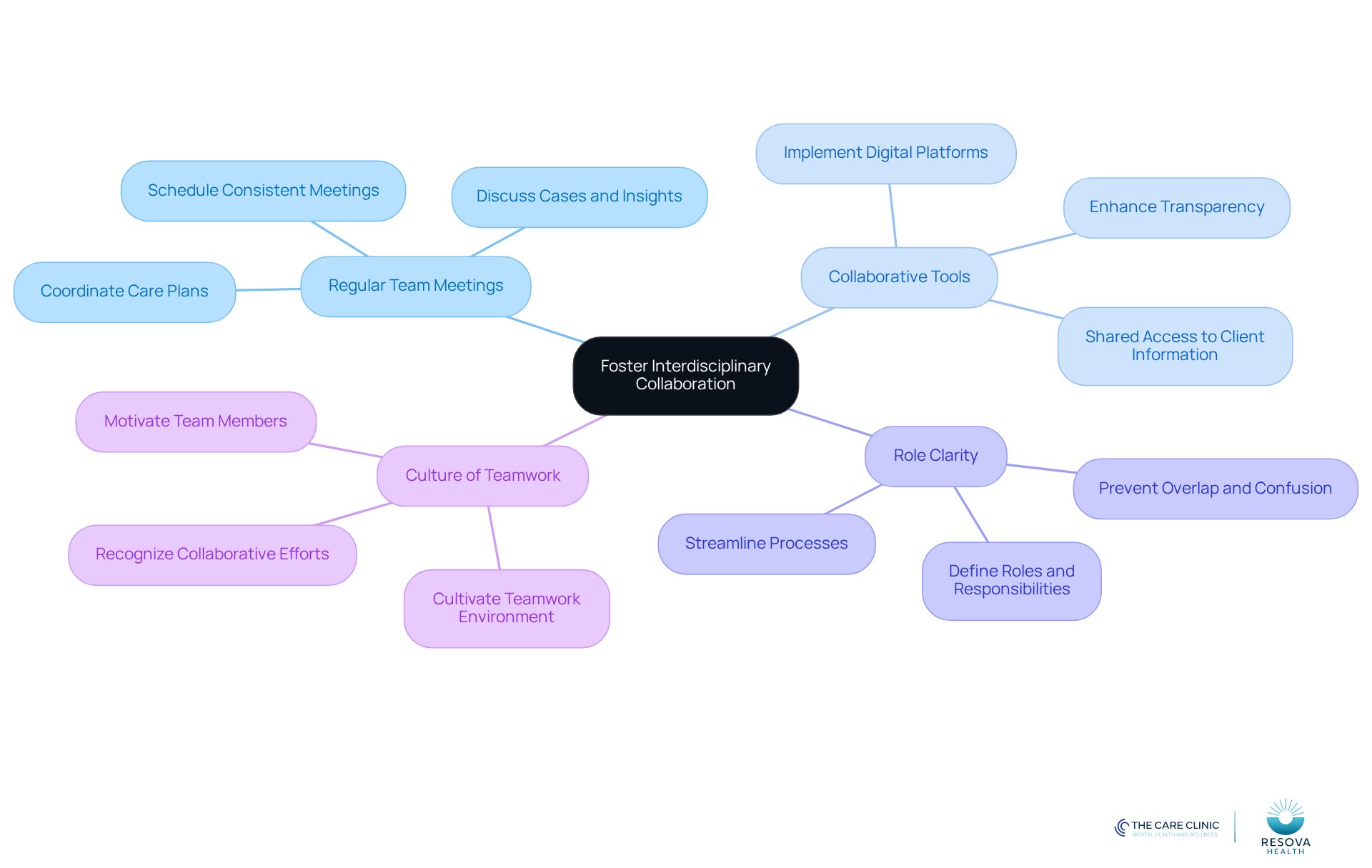
To enhance interdisciplinary collaboration in healthcare, providers should consider the following strategies:
-
Establish Regular Team Meetings: Schedule consistent meetings to discuss cases, share insights, and coordinate care plans. This practice fosters open communication and ensures all team members are aligned.
-
Utilize Collaborative Tools: Implement digital platforms that provide shared access to client information and treatment plans. Tools like shared EHRs enhance transparency and support better decision-making.
-
Encourage Role Clarity: Clearly define the roles and responsibilities of each team member to prevent overlap and confusion. This clarity streamlines processes and enhances accountability.
-
Promote a Culture of Teamwork: Cultivate an environment that values teamwork and collaboration. Recognizing and rewarding collaborative efforts can motivate team members to work together effectively.
By fostering interdisciplinary cooperation, healthcare providers can enhance medication management in Birmingham, which can improve drug oversight processes and lead to better patient safety and health outcomes.
Ensure Continuous Monitoring and Adjustment of Medications
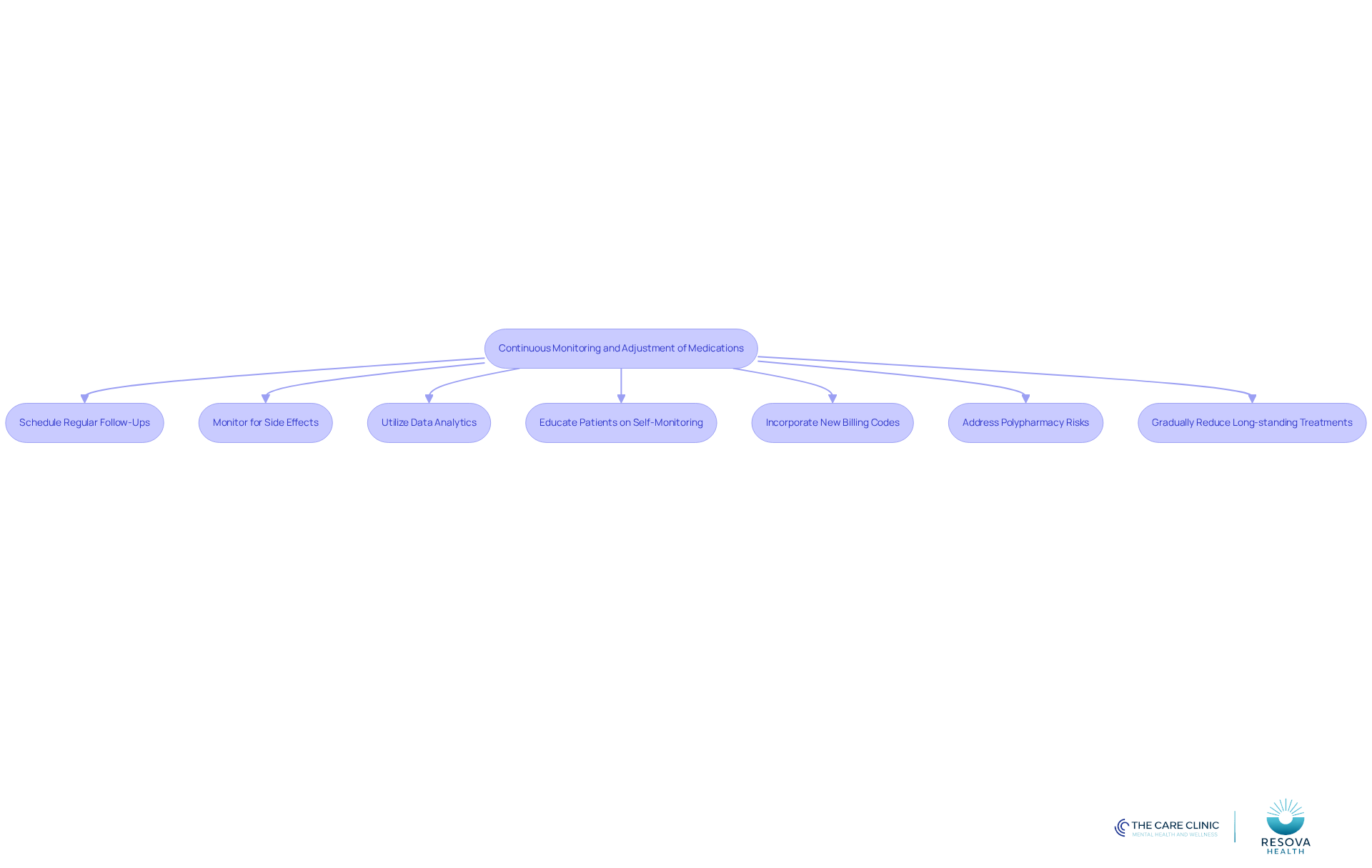
To ensure effective medication management, healthcare providers should implement the following strategies:
-
Schedule Regular Follow-Ups: Establish a consistent timetable for follow-up appointments, whether in-person or via telehealth. This allows for timely assessments of treatment effectiveness and necessary adjustments, ultimately improving care for individuals.
-
Monitor for Side Effects: Actively observe individuals for any side effects or negative reactions to treatments. Encourage open communication, prompting individuals to report any changes in their condition or new symptoms promptly. This is crucial for timely management.
-
Utilize Data Analytics: Employ data analytics tools to monitor adherence to treatments and outcomes. Examining this data can uncover trends that guide essential modifications to treatment plans, enhancing safety and efficacy for individuals.
-
Educate Patients on Self-Monitoring: Empower patients by instructing them on how to track their health and the impacts of their treatments. Providing resources and tools fosters an active role in their treatment, enhancing adherence and engagement.
-
Incorporate New Billing Codes: Be aware of the new CPT codes (99445 and 99470) introduced in 2026, which facilitate billing for short-duration monitoring and management of treatments. This knowledge can help optimize reimbursement and ensure compliance with current regulations.
-
Address Polypharmacy Risks: Regularly evaluate and modify treatment plans, particularly for older adults who may be at risk of polypharmacy. This practice is essential to minimize adverse effects and enhance overall safety for individuals.
-
Gradually Reduce Long-standing Treatments: When suitable, gradually decrease long-standing treatments to lessen withdrawal symptoms and enhance health outcomes. This method is essential for guaranteeing safety during treatment management.
By prioritizing continuous monitoring and adjustment of medications, healthcare providers can significantly enhance patient safety, improve treatment outcomes, and promote overall health through medication management Birmingham.
Conclusion
Establishing effective medication management practices in Birmingham is crucial for enhancing patient safety and treatment outcomes. Medication errors pose significant risks, impacting both patients and healthcare providers. By implementing structured frameworks, personalized medication plans, and fostering interdisciplinary collaboration, healthcare providers can significantly minimize these errors and improve the overall quality of care.
Key strategies include:
- Creating standard operating procedures.
- Utilizing technology for tracking and monitoring medications.
- Conducting regular follow-ups to assess treatment effectiveness.
Engaging patients in their treatment plans and considering their preferences and comorbidities leads to more effective and tailored medication management. Continuous monitoring and adjustment of medications, particularly for vulnerable populations, further enhance safety and efficacy.
The significance of these practices cannot be overstated. As healthcare continues to evolve, adopting best practices in medication management will be crucial for improving patient outcomes and reducing the burden of medication errors. Healthcare providers are encouraged to embrace these strategies and prioritize patient-centered care, ultimately fostering a safer and more effective healthcare environment in Birmingham.
Frequently Asked Questions
What is the purpose of establishing a structured framework for medication management?
The purpose is to address the high incidence of medication errors, particularly during transitions of care, and to improve patient safety and treatment management.
What percentage of prescription errors occur during transitions of care?
Over 50% of prescription errors occur during transitions of care.
How many hospital admissions in Australia are related to medication errors annually?
Medication-related errors contribute to approximately 250,000 hospital admissions each year in Australia.
What are the financial implications of medication-related errors in the healthcare system?
Medication-related errors cost the healthcare system an estimated $1.4 billion annually.
What are Standard Operating Procedures (SOPs) in medication management?
SOPs are clear guidelines that outline the drug handling process, including prescribing, dispensing, and monitoring, ensuring that all team members understand their roles and responsibilities.
How can technology be utilized in medication management?
Technology can be leveraged through electronic health records (EHRs) and medication oversight software to track prescriptions, dosages, and patient adherence, thus reducing errors and enhancing communication among healthcare providers.
What is the importance of conducting regular medication reviews?
Regular medication reviews help assess and reconcile treatments to ensure accuracy and suitability, identify discrepancies, and prevent adverse drug events, which are crucial for patient safety.
How can patients be better informed about their treatments?
Patients can be provided with informative resources about their treatments, including potential side effects and the importance of compliance, which empowers them to be more involved in their treatment plans.
What role does mutual commitment play in medication management during care transitions?
Recognizing a mutual commitment to stewardship during care transitions can significantly reduce the risk of harm from medication errors.
What are the overall benefits of creating a structured framework for medication management?
The benefits include improved safety and effectiveness of treatment management, better patient outcomes, and reduced risks associated with prescription errors.
List of Sources
- Establish a Structured Framework for Medication Management
- Exploring a new medicines management framework – InSight+ (https://insightplus.mja.com.au/2025/48/exploring-a-new-medicines-management-framework)
- Medication Safety Best Practices (https://pharmacypracticenews.com/Online-First/Medication-Safety/Article/12-25/Medication-Safety-Best-Practices/79121)
- New national framework to improve medication safety for older… (https://sahmri.org.au/news/research/new-national-framework-to-improve-medication-safety-for-older-australians)
- ISMP Releases 2025-2026 Targeted Medication Safety Best Practices for Community Pharmacy (https://home.ecri.org/blogs/ismp-news/ismp-releases-2025-2026-targeted-medication-safety-best-practices-for-community-pharmacy)
- New insights on improving access to Structured Medication Reviews for seldom-heard communities – The Health Innovation Network (https://thehealthinnovationnetwork.co.uk/news/new-insights-on-improving-access-to-structured-medication-reviews-for-seldom-heard-communities)
- Implement Personalized Medication Plans for Individual Needs
- From Expertise to Collaboration: Understanding the Role of Patient Preferences in Clinical Decision Making (https://jospt.org/do/10.2519/jospt.blog.20230726/full)
- Healthcare in 2026: How Personalized Medicine Is Cutting Patient Wait Times by 60% – (https://infosprint.com/blog/healthcare-in-2026-how-personalized-medicine-is-cutting-patient-wait-times-by-60)
- The impact of patients’ preference for pharmaceutical dosage forms on medication discontinuation among patients attending Red Cross pharmacies in Northwest Ethiopia – Scientific Reports (https://nature.com/articles/s41598-024-76113-6)
- Practical applications of methods to incorporate patient preferences into medical decision models: a scoping review – BMC Medical Informatics and Decision Making (https://link.springer.com/article/10.1186/s12911-025-02945-5)
- Integrating patient values and preferences in healthcare: a systematic review of qualitative evidence – PMC (https://pmc.ncbi.nlm.nih.gov/articles/PMC9677014)
- Foster Interdisciplinary Collaboration Among Healthcare Providers
- The Importance of Interprofessional Collaboration in Healthcare (https://nursing.jnj.com/nursing-news-events/nurses-leading-innovation/the-importance-of-interprofessional-collaboration-in-healthcare)
- New Laws Impacting Public Health to Take Effect in 2026 | Prairie Communications, LLC (https://977wmoi.com/2025/12/new-laws-impacting-public-health-to-take-effect-in-2026)
- Nursing Education Reform 2026 | Future of Nursing Care (https://3bhealthcare.us/nursing-education-reform-2026)
- 26 Reasons to Get Your DNP in 2026 | Baylor University Online (https://onlinenursing.baylor.edu/news/reasons-get-your-dnp)
- From Metrics to Meaning: What 2025 Revealed about Health Care’s Evolving Priorities (https://ihi.org/library/blog/metrics-meaning-what-2025-revealed-about-health-cares-evolving-priorities)
- Ensure Continuous Monitoring and Adjustment of Medications
- Medication safety: Clinical strategies for EMR monitoring and prevention – Provider News (https://providernews.anthem.com/pennsylvania/articles/medication-safety-clinical-strategies-for-emr-monitoring-and-prevention-26456)
- UnitedHealthcare’s 2026 RPM Conflicts | Opinion | Telehealth.org (https://telehealth.org/blog/opinion-remote-patient-monitoring-works-unitedhealthcares-2026-rollback-ignores-the-evidence-and-patients-will-pay-the-price)
- Medicare’s 2026 RPM Rule Explained for Providers and Patients (https://healtharc.io/blogs/cms-2026-proposed-rule-simplifies-rpm-what-providers-need-to-know)
- Turning Remote CGM Monitoring Into Revenue: How 2026 CMS Changes Boost Diabetes Programs (https://sweetspot.health/post/turning-remote-cgm-monitoring-into-revenue-how-2026-cms-changes-boost-diabetes-programs)
- Ensuring medication and patient safety for better quality healthcare – PMC (https://pmc.ncbi.nlm.nih.gov/articles/PMC11913332)