Anxiety and alcohol often go hand in hand, but not in the way most people expect. What starts as a way to unwind can leave you feeling more anxious, unsettled, and emotionally drained the next day. If you have ever felt a wave of nervous energy after a night of drinking, you are not alone. This uneasy feeling has a name, and understanding it might change the way you think about alcohol.
What is Hangxiety?
Hangxiety is a form of hangover anxiety that causes intense feelings of nervousness, restlessness, or unease after drinking alcohol. While many people expect symptoms like headache or nausea the next day, emotional effects such as anxiety are often unexpected. This type of anxiety can leave you feeling overwhelmed, even if nothing specific is wrong. Common symptoms of hangxiety include:
Racing heart
Negative thoughts
Difficulty concentrating
Excessive worry
Shakiness
Sweating
Trouble sleeping
These symptoms usually start a few hours after drinking or the next morning. They can last for several hours or even into the next day. People with existing anxiety or mental health struggles often notice stronger hangxiety symptoms.
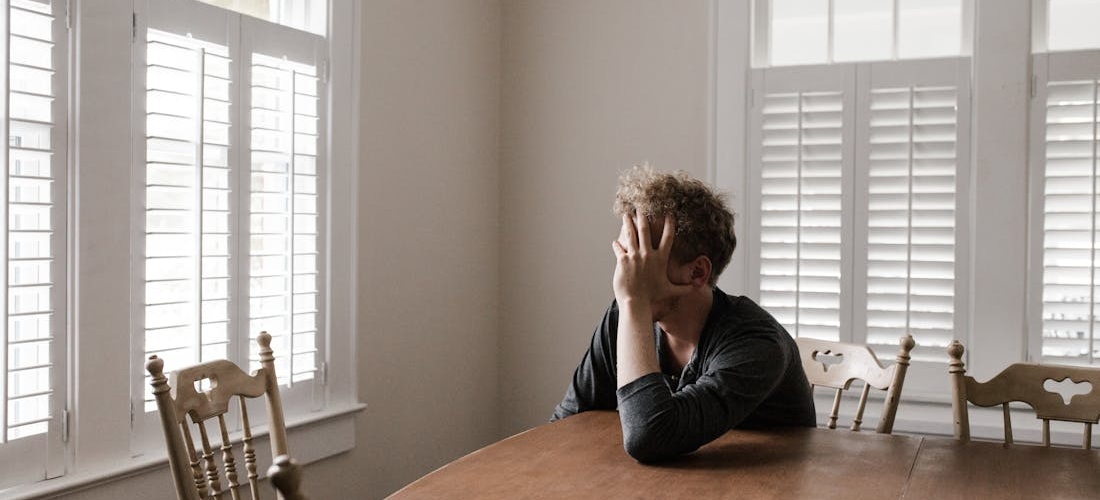
Anxiety and alcohol often create emotional isolation, which leads to feelings of regret and worry after drinking.
Why Do We Get Hangxiety
Hangxiety is the result of several biological and psychological changes that happen as your body recovers from alcohol. These shifts can leave you feeling emotionally off-balance even if your hangover symptoms are mild.
Neurotransmitter Rebound
Alcohol temporarily alters brain chemistry, especially neurotransmitters linked to mood. After drinking, calming chemicals like GABA decrease, while stimulating ones like glutamate may increase. This shift can lead to feelings of unease, tension, or panic the following day.
Dopamine Crash
Alcohol boosts dopamine, the chemical tied to pleasure and reward. Once the effects wear off, dopamine levels drop quickly. This sudden dip can contribute to low mood and anxious thoughts, even if nothing specific triggered them.
Interrupted Sleep and Dehydration
Even if you fall asleep easily after drinking, the quality of your sleep is often poor. Combined with dehydration and changes in blood sugar, this can leave your body feeling stressed and your mind more prone to anxiety the next day.
Mental Replay and Regret
Alcohol lowers inhibitions, which can lead to actions you wouldn’t normally take. The next morning, this can trigger worry, overthinking, and self-criticism, even if nothing serious happened.
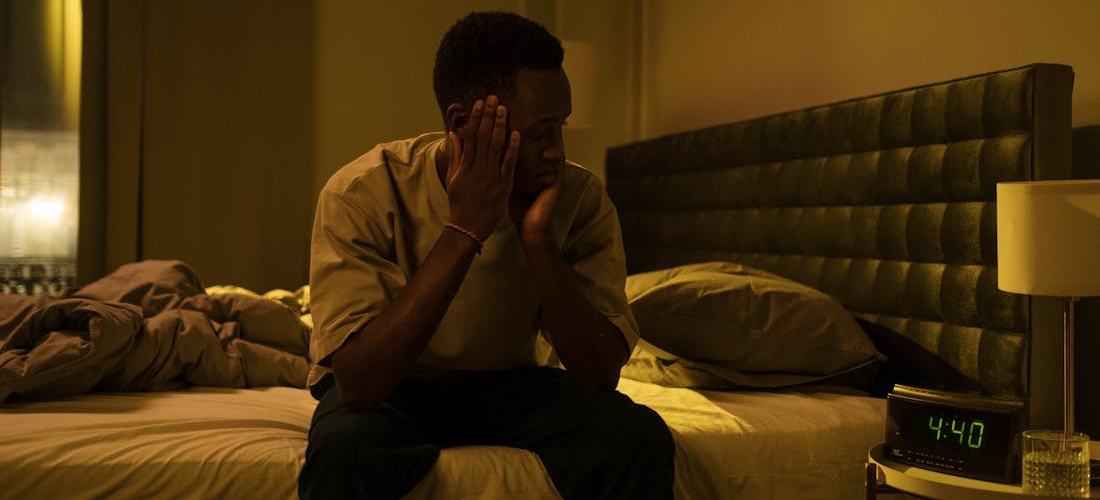
Hangxiety is real and shows how anxiety and alcohol can disturb sleep and emotional balance.
When Does Hangxiety Peak
Hangxiety typically peaks the morning after drinking, often between 6 and 12 hours after your last drink. This is when your blood alcohol level drops significantly and your brain begins to rebound from its altered state.
For some people, the anxiety may continue into the afternoon or even the next day, especially if sleep was disrupted or alcohol was consumed in large amounts. The intensity and duration can vary depending on your overall health, stress levels, and drinking habits.
Hangxiety Timeline:
0–6 hours after drinking: You’re likely still under the effects of alcohol: relaxed or sleepy.
8–12 hours later: Anxiety symptoms often begin and may last several hours or longer depending on individual factors.
Why Some People Are More Prone to Hangxiety
Not everyone experiences hangover anxiety the same way. You are more prone to hangxiety if you:
Have an anxiety disorder: Drinking alcohol can make your symptoms stronger and harder to control.
Live with social anxiety: You might use alcohol to feel more comfortable in social situations, but experience a major spike in anxiety afterward.
Struggle with poor sleep: Lack of quality sleep makes your brain more sensitive to alcohol’s effects, increasing the risk of hangxiety.
Drink heavily: Consuming large amounts of alcohol raises the chance of severe hangover anxiety symptoms.
Have a family history of anxiety or depression: You may be more sensitive to the chemical changes caused by alcohol, leading to stronger emotional symptoms.
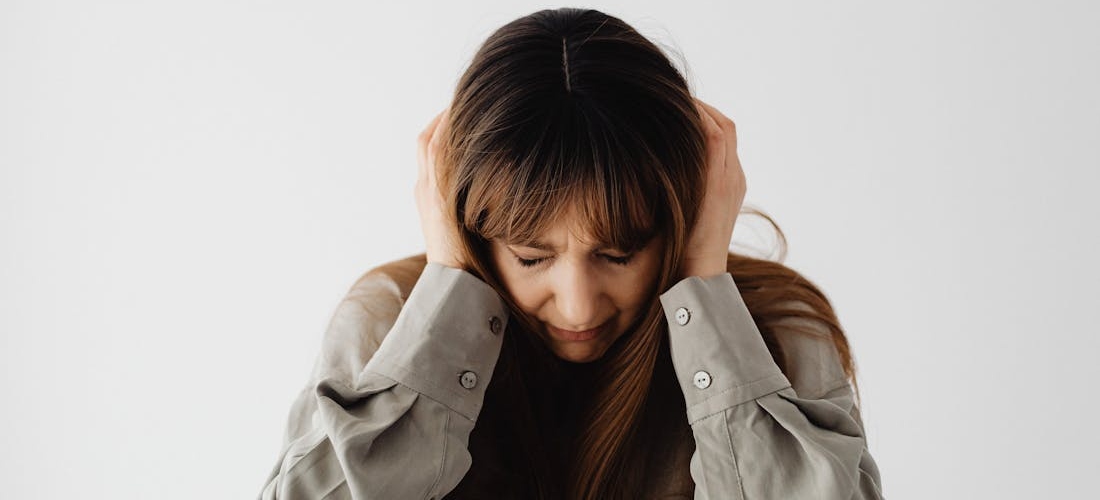
Hangover anxiety can lead to overwhelming emotions that affect both mental and physical health.
Hangxiety vs. General anxiety – What’s the Difference?
Hangxiety and general anxiety can feel similar, but they have different causes, durations, and patterns. Understanding these differences can help you identify what you’re experiencing and how to manage it.
What Triggers Them
Hangxiety is directly tied to alcohol use. It typically appears during a hangover and results from how alcohol disrupts brain chemistry, sleep, and hydration. If your anxiety happens only after drinking, it’s likely hangxiety.
General anxiety is ongoing and not linked to a specific trigger like alcohol. It can arise unexpectedly and may be part of a larger anxiety disorder.
How Long They Last
Hangxiety usually fades as the body processes alcohol—typically within 12 to 24 hours.
General anxiety can persist for weeks, months, or even years without proper treatment.
Underlying Causes
Hangxiety reflects a temporary imbalance caused by substance use.
General anxiety often stems from a mix of genetic, environmental, and psychological factors.
When to Seek Help
If anxiety is frequent, intense, or interfering with your daily life, even when you have not been drinking, it may be a sign of an underlying anxiety disorder. In that case, reaching out to an anxiety treatment center can help you get the support and care you need to feel better and regain control.
Why You Feel More Anxious After Drinking Alcohol
Hangxiety is often more than just a hangover symptom. For many people, it reflects a deeper cycle where alcohol is used to cope with stress or anxiety but ends up making those feelings worse.
Drinking might feel like a short-term fix, but over time, it can lead to a pattern where you rely on alcohol to relax, only to wake up feeling anxious and emotionally off balance. The more this happens, the more likely it is that anxiety becomes a regular part of your post-drinking experience.
If this cycle sounds familiar, breaking it is possible. An online alcohol treatment program can provide tools to help you manage both your drinking habits and the anxiety that follows.
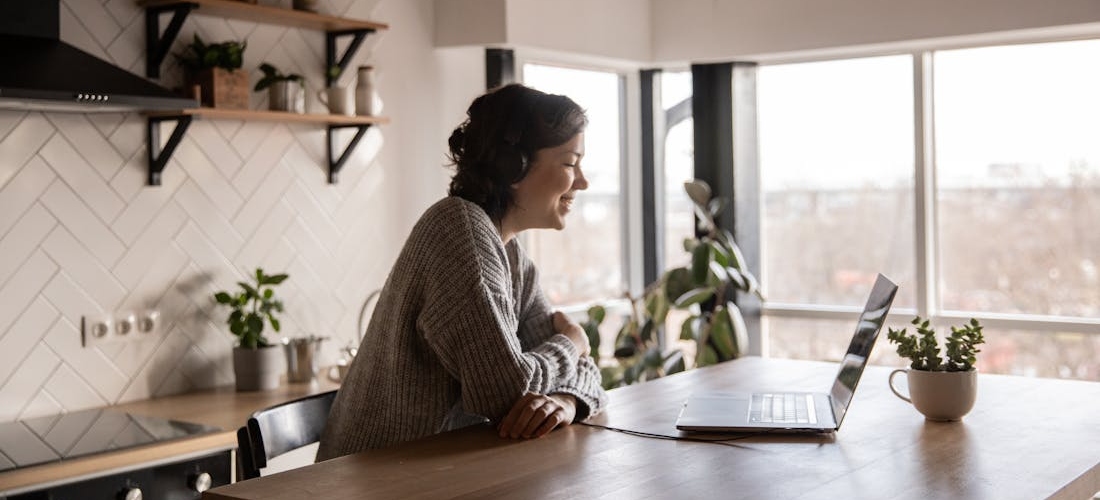
Online support can offer lasting solutions for managing anxiety and alcohol problems safely.
How to Cope with Hangxiety
If you are feeling the effects of hangxiety, there are ways to ease your symptoms and start feeling better. While there is no instant hangxiety cure, small steps can bring short-term relief and help you recover faster.
Here are some ways to cope with hangxiety:
Stay hydrated: Drink plenty of water to help your body flush out alcohol and restore balance.
Eat a healthy meal: Focus on foods rich in protein and complex carbs to stabilize your blood sugar and ease anxiety symptoms.
Get rest: Even if you cannot sleep, lying down and allowing your body to recover can lower stress levels.
Practice relaxation techniques: Deep breathing, light stretching, and meditation can help calm your nervous system and slow a racing heart.
Limit caffeine: Avoid coffee and energy drinks the next day. Choose herbal teas or water to avoid making anxiety worse.
Spend time outside: Fresh air and sunlight can naturally boost your mood and reduce stress hormones.
If you are wondering how to get rid of hangxiety long-term, the best step is to pay attention to how alcohol affects you. Cutting back or avoiding alcohol can prevent hangxiety from happening in the first place. If you feel stuck in a pattern of drinking and anxiety, online addiction treatment can guide you toward healthier coping methods and lasting recovery.
Free Yourself and Start Living a Peaceful Life
Anxiety and alcohol are closely linked. While drinking may seem like a way to relax, it often leads to stronger anxiety later. Hangxiety is real and can make even a small night of drinking feel overwhelming the next day. Knowing the causes, symptoms, and risks of hangover anxiety helps you take control. Reducing or quitting alcohol can ease anxiety, improve your mood, and strengthen your overall health. Getting professional support through online mental health counseling can make the process easier and equip you with lasting tools for recovery. With the right steps, you can break the cycle, feel calmer, and enjoy life with a clear and healthy mind.
Resources: