
The experience of growing up with alcoholic parents shapes more than just their childhood. The effects span over a lifetime, and they may impact emotional stability, self-esteem, and how you relate to other people. The impact can be profound and affect different areas of life. Many children learn to adapt in silence and continue to carry hidden emotional burdens into adulthood. Yet, recovery and resilience are achievable. Support and structured healing can break the cycle.
What does it mean to grow up with alcoholic parents?
The phrase “growing up with alcoholic parents” refers to a childhood spent in a family environment shaped by alcohol abuse. Rather than children, alcohol takes the central stage in these environments. Its use influences daily routines, family relationships, and stability at home. Children in households like these quickly learn that their family operates differently from others. They learn to live with unpredictability that other children do not have to face.
Alcohol misuse typically creates instability at home. Parental behavior can quickly change, and it ranges from affection to neglect. Children are never sure what to expect, which makes them hypervigilant but also anxious. Secrecy typically follows addiction, and children may become part of schemes and lies served to relatives, friends, or neighbors.
What is the impact of alcoholism on family life? Substance use problems disrupt relationships, break trust, and jeopardize a sense of security. Children are pushed into growing up too fast, often taking adult responsibilities too early. They might become avoidant or neglect their needs to avoid conflict altogether. Growing up with alcoholic parents leaves an emotional imprint that affects a child’s self-esteem, coping mechanisms, and relationships well into adulthood.

Emotional and psychological effects on children
Children growing up in households consumed by alcoholism carry emotional burdens that can follow them into adulthood. So, how does having alcoholic parents affect a child emotionally? Kids raised by parents who struggle with alcohol abuse experience conflicting and overwhelming feelings, and they have to learn to navigate alone.
- Anxiety and depression: Persistent worry, sadness, and hopelessness in children growing up in a home marked by lack of safety and heightened stress.
- Guilt and shame: Children tend to internalize many things that do not depend on them. Many will blame themselves for their parents’ drinking and even accuse themselves of not preventing or stopping their drinking.
- Hypervigilance: Growing up with alcoholic parents makes kids anticipate conflicts or emotional outbursts, making them constantly on guard
- Emotional instability: Inconsistent parental behavior and their mood swings make it difficult to form secure emotional patterns.
All these emotional and psychological effects impact how children view themselves and how they act with others. This further shapes behavior and affects development.

Behavioral and developmental challenges
Growing up with alcoholic parents makes many children experience developmental hurdles. Very young children being neglected by their parents can experience neurological setbacks or struggle with malnutrition. Stress that school-age kids are exposed to daily can interfere with their concentration and ability to study, making them struggle academically.
When discussing children of alcoholics behavior, it’s important to recognize that children respond differently to challenges brought about by a household consumed by alcohol.
- Some children may become “parentified,” start acting as adults early, and even take care of their parents.
- Others may lean into risky and problematic behaviors, challenging authority, or abusing substances themselves as well. Although carrying the risk of long-term negative consequences, these maladaptive coping strategies aim to ensure survival in the short term.
- As part of coping mechanisms in childhood, some might develop perfectionism, hyperindependence, or avoidance. Sadly, many, if not all, of these behaviors continue well into adulthood.
- Some children may withdraw socially out of fear of rejection or judgment. Others may engage in attention-seeking behaviors.
Long-term effects in adulthood
What we experience in childhood, whether it be good or bad, tends to follow us into adulthood. This is why it’s important to understand the long-term effects of growing up with an alcoholic parent. Frequently, unresolved emotional wounds resurface in adult life.
Many struggle to form healthy, stable relationships. Growing up with alcoholic parents can make you face trust issues and a fear of abandonment in adulthood as well. You might be entering into cycles of conflict and avoidance. It’s not unusual to become overly dependent on partners but also to showcase hyperindependence. You might be distancing yourself from others to protect yourself from harm.
A worth mentioning potential outcome of growing up with alcoholic parents is substance abuse problems. Kids from homes marked by alcoholism are most likely to develop an alcohol addiction in the adulthood themselves as well. The overwhelming emotions, such as anxiety and depression, can become recurrent, impacting your daily functioning.

Therapists have long observed children growing up with alcoholic parents and concluded that kids develop, or rather adopt, specific roles or “personalities.” While every story of childhood in a home marked by alcoholism is different, there are some common patterns that put children into one of five personality types:
1. The Hero
This role is usually adopted by the eldest child in an alcoholic household. They take on responsibility early on and excel in school, sports, or work. This is how they create a sense of order and stability. Their perfectionism is a mask for feelings of anxiety and inadequacy.
2. The Scapegoat
Children adopting this role tend to act out. By doing so, they draw attention away from the parents’ drinking. They tend to be rebellious, engage in risk-taking, or act aggressively. Consequently, they often face disciplinary or legal trouble.
3. The Lost Child
This role belongs to kids who have chosen to be quiet and withdraw, avoid conflicts, and stay invisible. They may immerse themselves in solitary hobbies, such as reading books or playing video games. They might seem independent, but they often feel disconnected and lonely.
4. The Mascot
For children who adopt this role, humor becomes a coping mechanism. By making jokes or acting silly, they distract everybody from the pain caused by alcoholism in the family. Beneath this entertaining surface, they often experience fear and insecurity.
5. The Caretaker (also known as Nurturer)
The child who takes over the role of caretaker soothes and protects others. They might be taking care of their siblings or even alcoholic parents. They tend to grow up into adults who put the needs of others before their own and struggle to set boundaries or engage in self-care.
These family roles in alcoholic homes have the function of helping children growing up with alcoholic parents cope with the current situation and keep them safe in an unpredictable household. However, they can be carried into adulthood, and if a person does not find the right therapist, they end up negatively influencing relationships and mental health.

How children of alcoholics behave in adulthood
If not addressed early on, these “personalities” turn into adult children of alcoholics roles, impacting primarily relationships but also other spheres of adult life (e.g., career choice). So, how do children of alcoholics behave as adults?
- Many struggle with codependency, validation seeking, or people-pleasing to maintain harmonious relationships. Putting others’ needs first and excessive caretaking are also very typical.
- Those who adopted a role of hero while growing up with alcoholic parents can become overachievers in adulthood. Others may internalize feelings of failure and hopelessness and lean toward underachievement. While they seem like two opposite poles, these extremes reflect an attempt to establish control.
- Emotional responses may also polarize. Some adults may experience mood swings, while others can subconsciously opt for emotional numbness to protect themselves from harm and vulnerability.
Often, children growing up with alcoholic parents tend to repeat familiar patterns from their childhood in adulthood. Their adult lives may end up being unstable, and issues with intimacy, trust, and boundaries can frequently occur. There is a way out of this cycle, and it starts with awareness and a professional mental health center you can rely on.
Healing and breaking the cycle
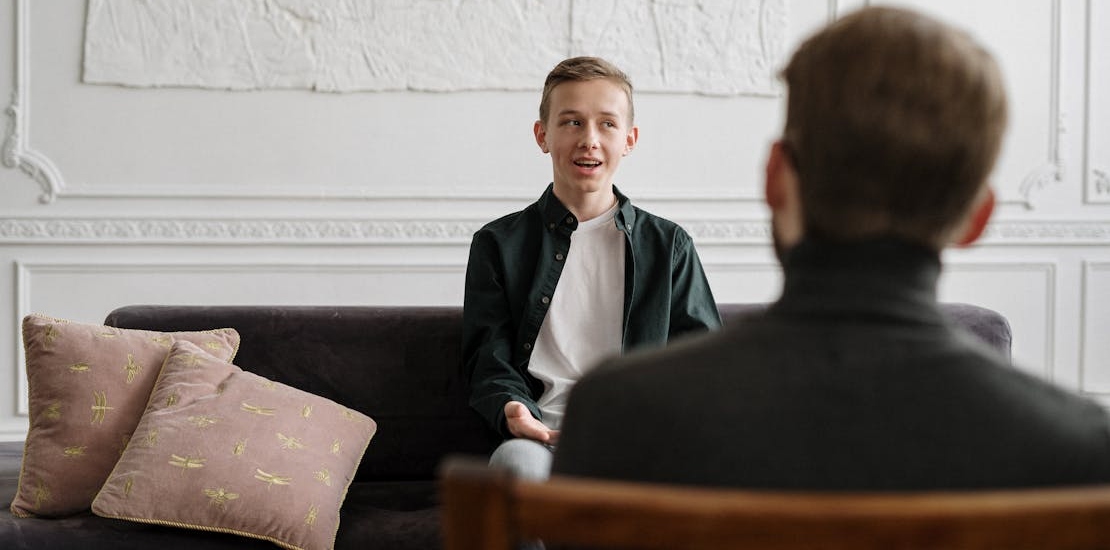
Healing from the pain of growing up with alcoholic parents is not easy, as our childhoods set a base for everything that will happen to us in the future. Children who grew up marked by their parents’ alcoholism tend to internalize responsibility for their family dysfunction, lean into self-blame, and suffer silently. You might be powerless as a child, but as an adult, it’s important to recognize maladaptive patterns and work on correcting them. A well-rounded outpatient mental health treatment can help you do that while maintaining your daily routine.
Therapy offers a pathway forward. Today, there are many options, including cognitive behavioral therapy (CBT), trauma-focused therapy, and support groups that can help you process difficult memories and build healthier coping mechanisms. for those living busy lives, virtual programs such as online alcohol treatment provide flexible access to resources and support.
Those requiring more structured care to deal with the impact of growing up with alcoholic parents can also turn to a depression treatment center that addresses trauma, hopelessness, and unresolved grief in a supportive environment. With the right guidance, it is possible to heal, break the cycle, and build healthier relationships for the future.
Healing Beyond Childhood
Growing up with alcoholic parents can leave lasting effects on trust, emotions, and relationships, but these patterns don’t have to define your future. Therapy, support groups, and care from a depression treatment center can provide the tools to process painful memories and build healthier connections. With the right guidance, healing is possible, and a more stable, fulfilling life is within reach.