
Introduction
Presurgical psychiatric evaluations serve as a critical checkpoint in the surgical process, assessing a patient’s mental readiness. These evaluations identify underlying psychological conditions that may impede recovery and equip patients with coping strategies and realistic expectations for their surgical journey.
However, consider this: how can integrating these assessments into surgical protocols enhance patient outcomes and bolster confidence in the therapeutic process?
Here’s what’s happening: mental readiness is essential for successful surgical recovery. Psychological factors can significantly influence healing, making it vital to address them before surgery. By incorporating psychiatric evaluations, we can better understand patients’ mental states and prepare them for the challenges ahead.
This approach not only fosters a supportive environment but also aligns with our commitment to intelligent, human-centered care. By focusing on the psychological aspects of surgery, we can restore balance between precision and empathy, ultimately improving patient experiences and outcomes.
Let’s look at the data: studies show that patients who undergo presurgical psychiatric evaluations report higher satisfaction and better recovery rates. This evidence underscores the importance of integrating mental health assessments into surgical protocols.
Next step in treatment: clinicians should prioritize these evaluations as part of the surgical process. By doing so, we can empower patients, providing them with the tools they need to navigate their surgical journey with confidence.
Define Presurgical Psychiatric Evaluations and Their Importance
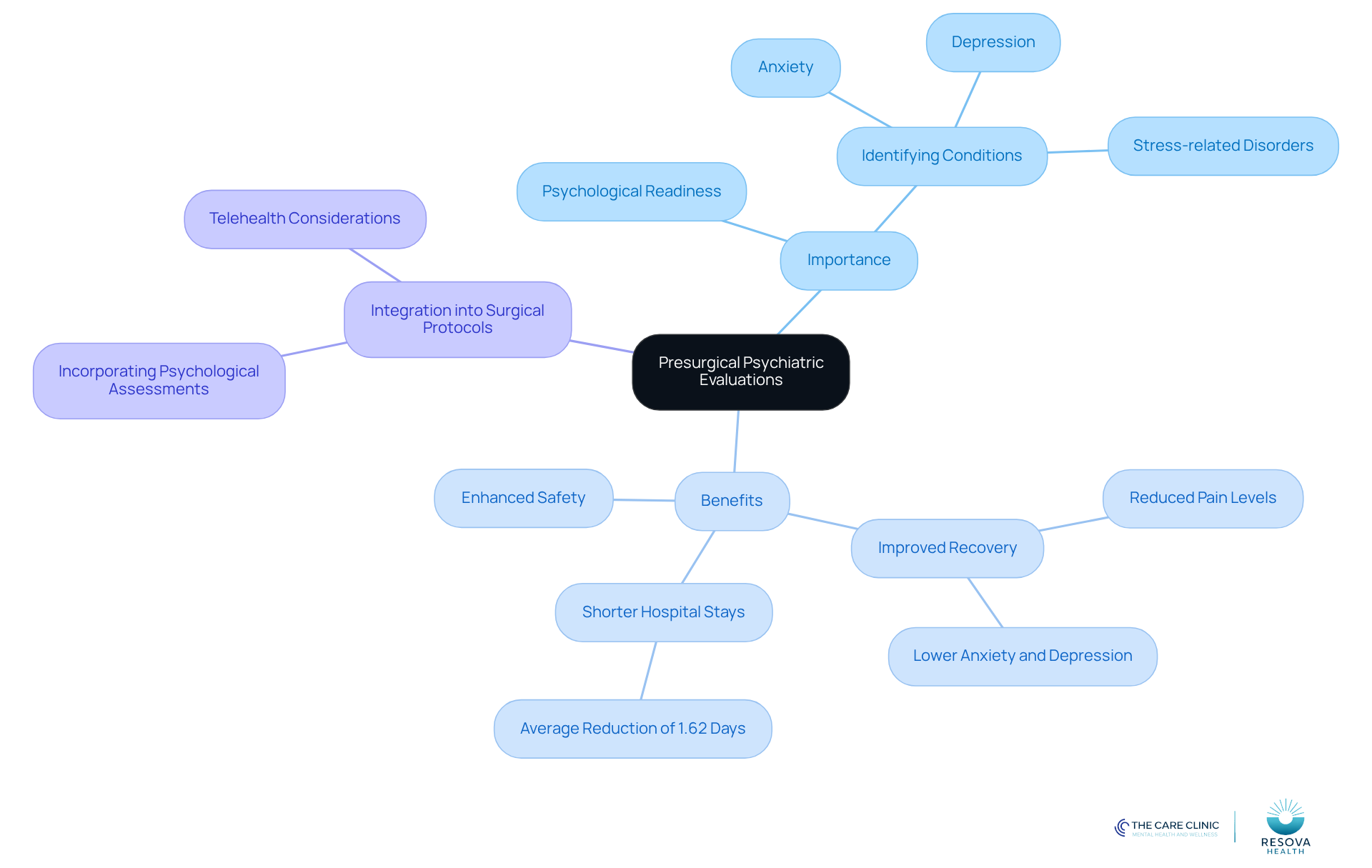
Presurgical psychiatric evaluation sparks vital assessments conducted by licensed professionals to gauge a patient’s psychological readiness for surgery. The presurgical psychiatric evaluation sparks crucial insights in identifying underlying psychological conditions, such as anxiety, depression, and stress-related disorders, that may adversely affect surgical outcomes.
Research indicates that a presurgical psychiatric evaluation sparks significant improvements in recovery trajectories by addressing mental health issues prior to surgery. For example, studies reveal that psychological prehabilitation can shorten hospital stays by an average of 1.62 days and reduce pain levels by approximately 3.52 points post-surgery.
These assessments ensure that individuals are mentally prepared, as presurgical psychiatric evaluation sparks realistic expectations and effective coping strategies for the surgical process. This preparation not only enhances safety but also increases the likelihood of a successful recovery.
Incorporating psychological evaluations into surgical procedures promotes better wellness outcomes and fosters a more confident and informed experience for patients.
Explore Key Components of the Evaluation Process
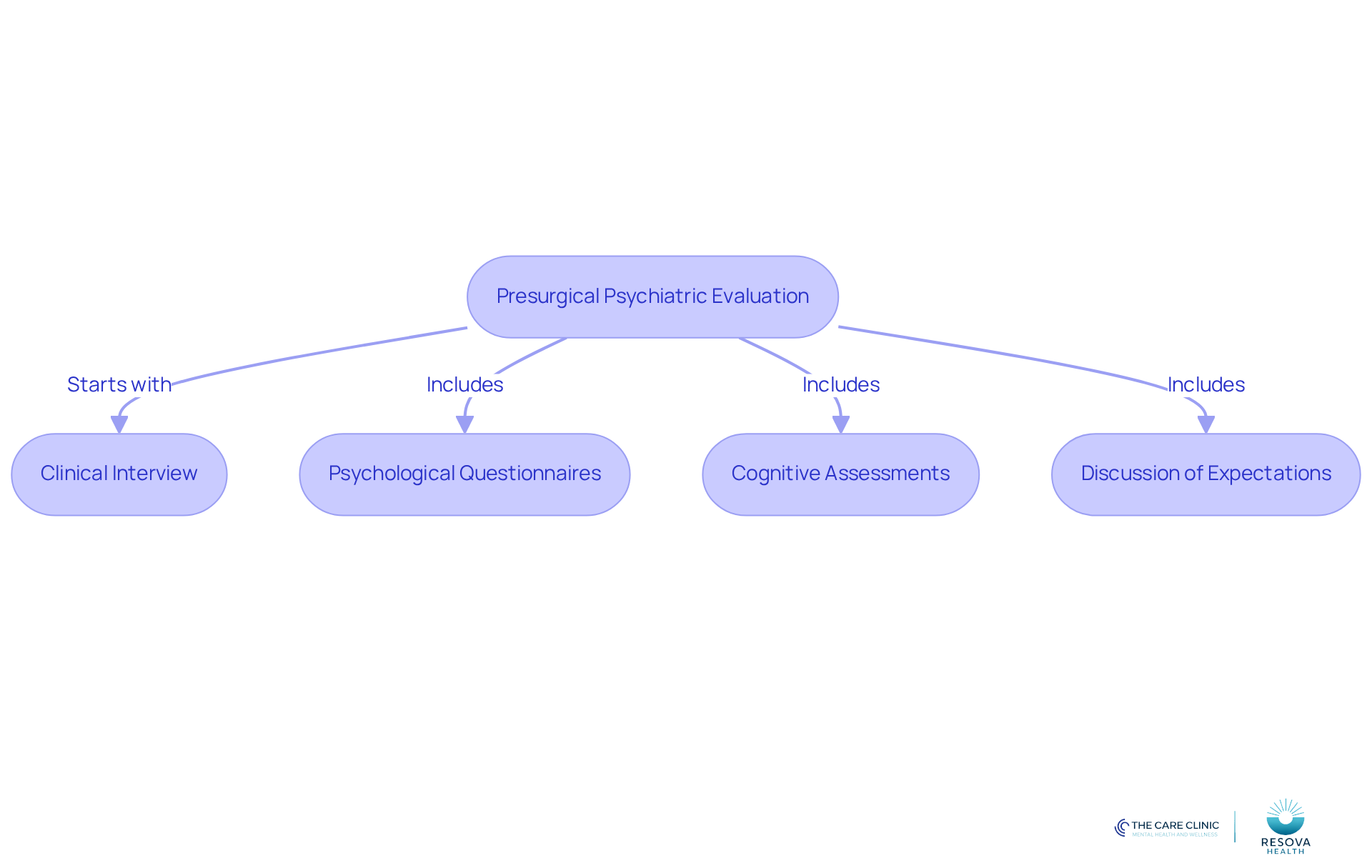
The presurgical psychiatric evaluation sparks crucial insights for assessing a patient’s readiness for surgery. It encompasses several essential components:
- Clinical Interview: This one-on-one discussion allows the psychologist to gather detailed information about the individual’s medical and mental health history, as well as lifestyle factors that may influence surgical outcomes.
- Psychological Questionnaires: Patients typically complete standardized assessments that evaluate mood, anxiety levels, and coping strategies, providing insight into their psychological state.
- Cognitive Assessments: These tests assess the individual’s cognitive functioning and understanding of the surgical procedure, ensuring they are mentally prepared for the upcoming changes.
- Discussion of Expectations: The psychologist engages the individual in a conversation about their expectations for surgery, addressing any misconceptions and preparing them for potential outcomes.
Each component is designed to foster a thorough understanding of the individual’s psychological well-being, which the presurgical psychiatric evaluation sparks. This understanding is vital for recognizing and managing any risks associated with the surgical procedure. A distraction-free testing environment is essential to ensure the validity of the assessments.
Moreover, psychologists must exercise caution when interpreting psychometric test results, especially in telehealth settings where many tests may lack validation. The limitations of telehealth assessments, such as the inability to perceive non-verbal signals, highlight the importance of obtaining collateral information to support the assessment process.
Outline the Evaluation Experience: What to Expect
During a presurgical psychiatric evaluation at Resova Health, individuals can expect a thorough and supportive experience designed to evaluate their mental readiness for surgery. This assessment typically lasts between 2 to 4 hours, depending on the complexity of the case, and can be conducted either in person or via telehealth, ensuring accessibility and convenience.
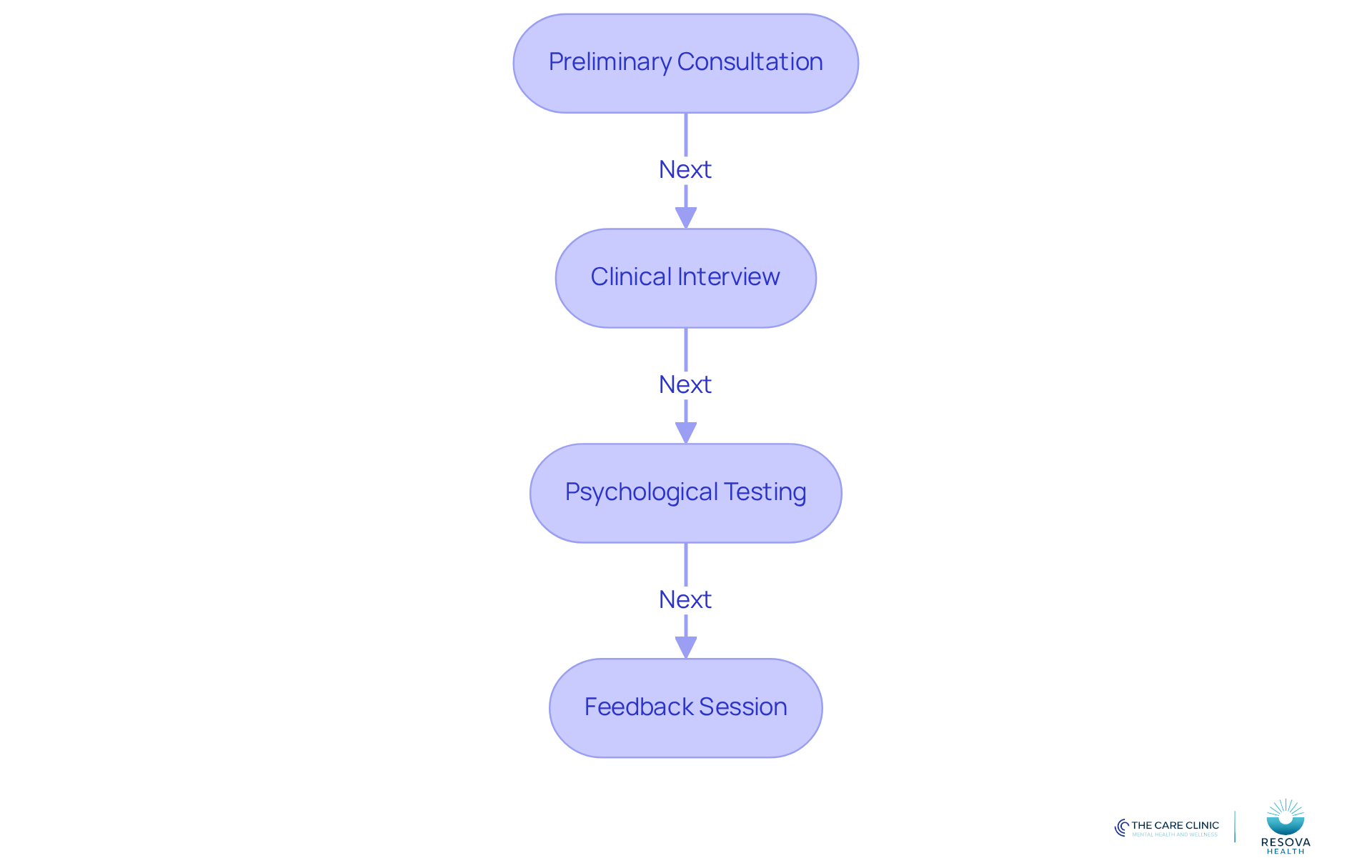
The process begins with a preliminary consultation, where the psychologist outlines the evaluation and addresses any questions or concerns. Following this, a clinical interview takes place, allowing the psychologist to gather detailed information about the individual’s psychological history and current issues. Psychological testing, such as mood inventories and cognitive assessments, may also be included to provide a comprehensive view of the individual’s mental state.
At the conclusion of the assessment, the psychologist offers preliminary feedback, discussing the individual’s mental health status and readiness for surgery. This feedback session is crucial, as it ensures individuals leave with a clear understanding of their psychological profile and any necessary next steps. Research indicates that presurgical psychiatric evaluations spark significant improvements in surgical outcomes, with patients experiencing lower anxiety levels and faster recovery times. Furthermore, studies show that psychological prehabilitation is associated with reduced complication rates after surgery, highlighting the importance of emotional well-being support.
Telehealth assessments at Resova Health have proven to be as effective as in-person evaluations, making mental health support more accessible than ever.
Discuss Outcomes and Next Steps After the Evaluation
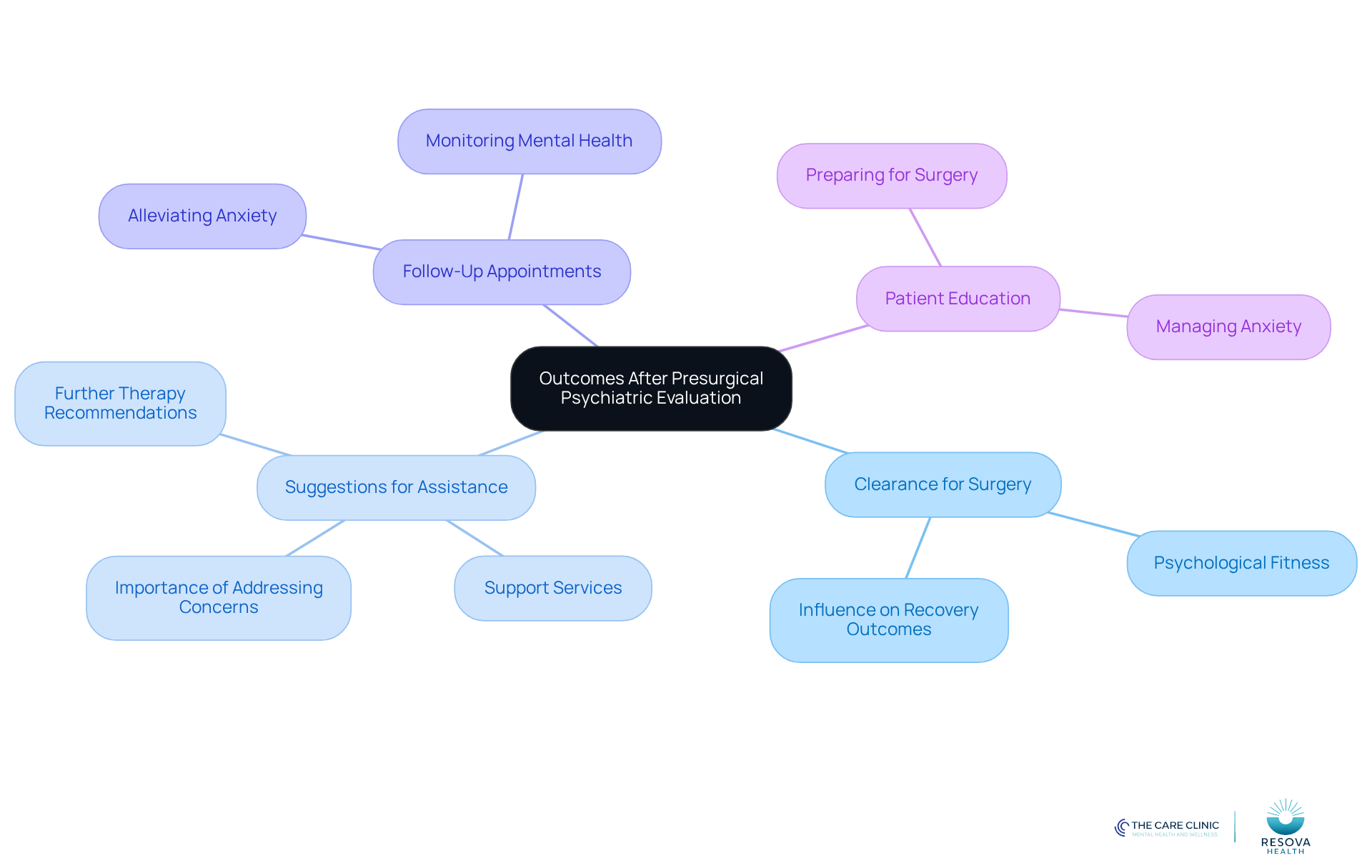
Upon completing the presurgical psychiatric evaluation, patients may face several potential outcomes that guide their next steps:
-
Clearance for Surgery: If the evaluation shows that the patient is psychologically fit, they will receive clearance to proceed with the surgical procedure. This clearance is crucial, indicating that the individual is mentally prepared for the challenges of surgery, which can significantly influence recovery outcomes.
-
Suggestions for Assistance: When psychological issues are identified, the psychologist may recommend further therapy or support services. Research indicates that about 87.7% of individuals assessed for surgical candidacy require some form of psychiatric care to enhance surgical outcomes. Addressing these concerns before surgery is essential for optimizing recovery.
-
Follow-Up Appointments: Patients may be encouraged to schedule follow-up appointments to monitor their mental health as the surgery date approaches. These appointments are vital for ensuring that individuals are coping well and can help alleviate any anxiety or distress that may arise during the waiting period.
-
Patient Education: Psychologists will provide educational resources aimed at managing anxiety and preparing for surgery. This education empowers individuals, helping them feel more confident and informed about the surgical process and what to expect.
The presurgical psychiatric evaluation sparks outcomes that are designed not only to ensure that patients are ready for surgery but also to support their overall mental health journey, ultimately leading to better surgical experiences and outcomes.
Conclusion
Presurgical psychiatric evaluations are essential for preparing patients for surgery, as they assess mental readiness and address potential psychological barriers. These evaluations not only enhance the safety and efficacy of surgical procedures but also significantly improve recovery outcomes. By ensuring that patients are mentally equipped to handle the challenges of surgery, these assessments foster a more informed and confident experience.
Key components of the evaluation process include:
- Clinical interviews
- Psychological questionnaires
- Cognitive assessments
Each element provides a comprehensive understanding of the patient’s psychological state, enabling healthcare providers to identify any underlying issues that could impact surgical success. Addressing mental health concerns before surgery is crucial; studies indicate that psychological prehabilitation can lead to shorter hospital stays, reduced pain levels, and overall better recovery trajectories.
Integrating presurgical psychiatric evaluations into surgical protocols is vital for optimizing patient care. Recognizing the significant impact of mental health on surgical outcomes allows healthcare professionals to better support their patients’ journeys. Embracing this approach enhances individual experiences and contributes to a broader culture of holistic care within the medical field. Prioritizing psychological readiness can lead to meaningful benefits, making every surgical experience safer and more successful.
Frequently Asked Questions
What is a presurgical psychiatric evaluation?
A presurgical psychiatric evaluation is an assessment conducted by licensed professionals to determine a patient’s psychological readiness for surgery and to identify any underlying psychological conditions that may impact surgical outcomes.
Why are presurgical psychiatric evaluations important?
These evaluations are important because they help identify psychological issues such as anxiety, depression, and stress-related disorders that can adversely affect surgical outcomes. They also prepare patients mentally for surgery, promoting realistic expectations and effective coping strategies.
How do presurgical psychiatric evaluations impact recovery?
Research indicates that presurgical psychiatric evaluations can lead to significant improvements in recovery, such as shorter hospital stays (averaging 1.62 days less) and reduced pain levels (approximately 3.52 points lower post-surgery).
What benefits do presurgical psychiatric evaluations provide to patients?
They enhance patient safety, increase the likelihood of successful recovery, and foster a more confident and informed experience for patients undergoing surgery.
How can healthcare providers integrate psychological assessments into surgical protocols?
Providers can integrate psychological assessments by incorporating them as a standard part of preoperative procedures to enhance overall patient care and wellness outcomes.
List of Sources
- Define Presurgical Psychiatric Evaluations and Their Importance
- Psychological prehabilitation improves surgical recovery, study finds (https://uclahealth.org/news/release/psychological-prehabilitation-improves-surgical-recovery)
- Psychological ‘prehab’ for surgery patients improves outcomes, study shows (https://uclahealth.org/news/article/patients-see-improved-post-surgical-outcomes-with)
- How COVID-19 may affect presurgical psychological evaluations (https://apaservices.org/practice/news/presurgical-psychological-evaluations-covid-19)
- How psychologists prepare patients for surgery (https://apa.org/monitor/2020/09/ce-corner-surgery)
- Explore Key Components of the Evaluation Process
- How COVID-19 may affect presurgical psychological evaluations (https://apaservices.org/practice/news/presurgical-psychological-evaluations-covid-19)
- Preoperative Psychological Evaluation Outcomes, Reasoning, and Demographic and Diagnostic Correlates – PMC (https://pmc.ncbi.nlm.nih.gov/articles/PMC9765350)
- How psychologists prepare patients for surgery (https://apa.org/monitor/2020/09/ce-corner-surgery)
- Outline the Evaluation Experience: What to Expect
- Preoperative Psychological Evaluation Outcomes, Reasoning, and Demographic and Diagnostic Correlates – PMC (https://pmc.ncbi.nlm.nih.gov/articles/PMC9765350)
- Understanding Presurgical Psychiatric Evaluation in Las Vegas – CareClinic (/blog/understanding-presurgical-psychiatric-evaluation-in-las-vegas)
- How psychologists prepare patients for surgery (https://apa.org/monitor/2020/09/ce-corner-surgery)
- The impact of preexisting psychiatric disorders on patient outcomes following primary total shoulder arthroplasty: A systematic review and quantitative synthesis – PMC (https://pmc.ncbi.nlm.nih.gov/articles/PMC11758438)
- Discuss Outcomes and Next Steps After the Evaluation
- How psychologists prepare patients for surgery (https://apa.org/monitor/2020/09/ce-corner-surgery)
- How COVID-19 may affect presurgical psychological evaluations (https://apaservices.org/practice/news/presurgical-psychological-evaluations-covid-19)
- Preoperative Psychological Evaluation Outcomes, Reasoning, and Demographic and Diagnostic Correlates – PMC (https://pmc.ncbi.nlm.nih.gov/articles/PMC9765350)
- Surgeon-driven preoperative psychiatric evaluation of plastic surgery patients | Published in Australasian Journal of Plastic Surgery (https://ajops.com/article/32023-surgeon-driven-preoperative-psychiatric-evaluation-of-plastic-surgery-patients)