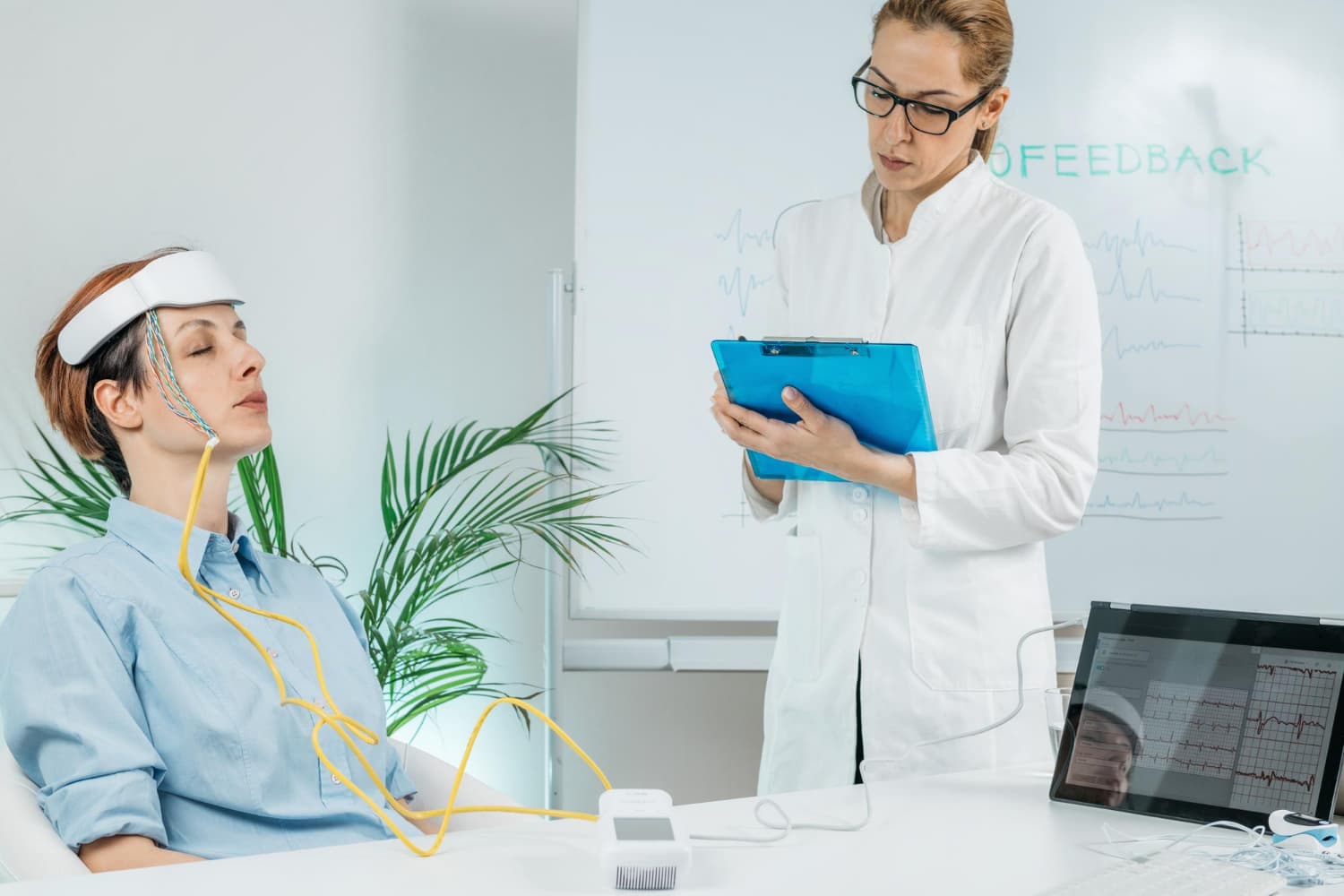
TMS therapy is short for transcranial magnetic stimulation. It’s a non-medication option that uses gentle magnetic pulses to help certain parts of the brain work better, especially when someone is struggling with long-lasting feelings of sadness or low motivation. As more people look for ways to feel more steady and focused during winter, interest in TMS therapy in Fairfax, VA, continues to grow. At Resova Health in Fairfax, TMS therapy is offered as an FDA-cleared, non-invasive treatment for adults living with depression that has not improved enough with standard medications.
Most people in Northern Virginia know how the winter shift can feel. Days get shorter, the air is colder, and motivation might drop. For those already having a tough time with mood or energy, it can be even harder. TMS is one possible option that does not involve medication or require a big lifestyle change, and learning about how it works can make the process less intimidating. Knowing what to expect helps people feel more prepared and open to trying something new.
What TMS Therapy Actually Does
TMS therapy uses a device that sends magnetic pulses through the scalp. These pulses target a part of the brain that often works more slowly in people dealing with depression or low mood. The pulses gently activate that area without surgery or anything invasive. At Resova Health, these highly focused pulses are directed to mood-related areas of the brain without the need for anesthesia.
Here’s how it helps make a difference:
- It works by waking up the part of the brain linked to mood and decision-making.
- Over time, the stimulation helps that area send stronger signals, which can support more balanced emotions.
- It is done while a person is awake, fully clothed, and sitting upright in a chair. No needles, no anesthesia.
The science may sound technical, but the experience is usually much more relaxed than people expect. Many people who try TMS describe it as a tapping feeling or light pressure on the head. It is designed to be safe and controlled, giving the brain a nudge to restart patterns that might have slowed down.
What a TMS Session Looks Like
For someone new to TMS, it can help to know what happens when you show up for a session. It does not feel like a hospital visit or therapy room. The space is usually quiet and private, and you stay dressed the whole time. You sit in a comfortable chair, and a small magnetic device is placed near your head.
During the session:
- You might hear a clicking sound as the machine sends pulses.
- You could feel a light tapping on your head where the pulse is focused.
- Most sessions last about 20 to 40 minutes.
TMS is not supposed to hurt. Some people might feel a little scalp tenderness after the first few times, but that usually fades quickly. There is no recovery time needed, so you can drive yourself home or go back to your regular day. Most people come in several times a week for a few weeks. A typical schedule might be five days a week over four to six weeks, based on how you respond and what your provider recommends.
Why More People Are Asking About TMS Therapy in Fairfax, VA
In winter, it is common to feel sluggish or withdrawn. In Northern Virginia, the colder days and cloudy skies can make that feeling even stronger, especially after the holidays when everyone settles back into routines. Some people notice that sadness or mental fog sticks around longer than expected and begin to look for new options. That is where TMS therapy in Fairfax, VA, becomes a more frequent question.
People like that TMS does not rely on medication. For those who have tried medicine and did not feel better, or felt uncomfortable with side effects, TMS gives another path. It lets the brain reset using a physical method rather than a chemical one.
Having locations close to home in Fairfax makes it easier to stay with the routine without travel stress. When care is close by, especially during the colder months, it is easier to keep appointments and stay on track.
Things to Know Before Starting TMS
TMS is not something people try right away. It is usually suggested after other types of treatment have not helped enough. If someone has tried therapy or medications and not seen much change, a doctor might suggest looking into TMS to keep things moving forward.
Before starting, there is an evaluation. This helps make sure that TMS is safe and likely to be helpful. The first step includes questions about your history, how you are feeling, and whether you have had other types of treatment already.
Throughout the process:
- You will be checked on regularly to see how it is going.
- Each session is monitored, and comfort is adjusted when needed.
- Sessions are spaced out and followed up with support so you feel informed and cared for at every step.
Many people are glad to learn that most major insurance plans, including Medicare, often cover TMS therapy for eligible patients, which can make starting treatment feel more realistic.
Even though it is a newer type of treatment, TMS is highly organized. The process is not rushed and providers usually take time to explain what is happening during and after each session.
Moving Toward a Brighter Season with Confidence
TMS therapy offers something different during a season when energy can feel out of reach. Fairfax winters may not bring constant snow, but the chilly air, shorter days, and quiet stretches of January can make everything feel more still. For many, that stillness is calming. For others, it can pull them deeper into stuck patterns.
Learning how TMS works, what the sessions feel like, and how the care comes together makes the idea less abstract. Rather than waiting for things to improve on their own, some are choosing to try something that works with their brain and not against it. With each step explained and supported, it becomes easier to imagine taking that first step into something new.
Considering a new approach to support your mental health this winter? We are here to help you take the next step. TMS sessions can be a valuable part of care when low mood or motivation does not lift on their own. For more information on how we support people through TMS therapy in Fairfax, VA, connect with us at Resova Health. Our team is here to answer your questions and help you decide what makes the most sense for your care plan. Reach out whenever you’re ready, we’re listening.