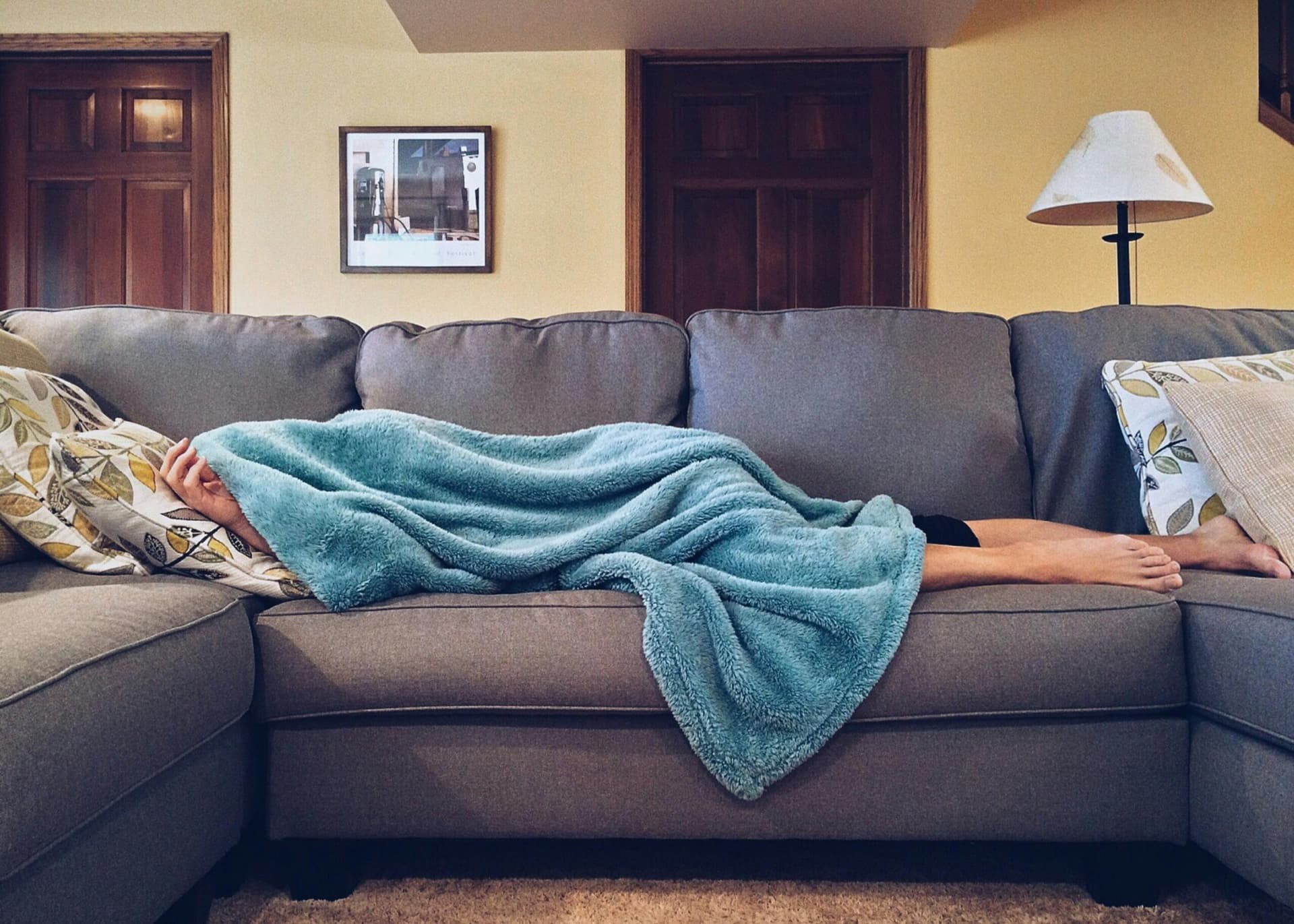
Expression depression naps have received much attention lately as online communities are openly discussing their struggles with mental health, depression in particular. Rest is important, and short naps can be a healthy way to recharge, but excessive or avoidant sleep may be signaling mental health problems. Depression-related napping often reflects emotional exhaustion but also a desire to escape reality and overwhelming stressors. Understanding the fine difference between ordinary rest and concerning sleeping patterns can help you recognize when you need professional help.
What are depression naps?
So, what are depression naps exactly? Simply put, those are periods of sleep that people turn to not because they’re tired but because they want to escape stress or feelings of sadness and emptiness. Unlike regular naps that make you feel refreshed and energized, depression naps typically serve to provide temporary relief and alleviate emotional exhaustion.
Depression-related naps are about avoidance rather than restoring energy to confront life challenges. A person struggling with depression may retreat to sleep instead of addressing underlying emotions or events that have caused them. Sleep becomes a coping mechanism, a way to “shut off” from painful thoughts or responsibilities.
For many, depression naps become part of what depression looks like in daily life. They slowly creep in and disrupt daily routines, impacting work or school performance, and even interfering with nighttime rest. Recognizing signs of this unhealthy coping strategy can help you start addressing it and replacing it with a healthier one.

Common signs of depression naps
Regular and depression naps differ in their function and, therefore, in how you feel after taking them. The ladder disrupts your daily functioning rather than supporting it. Recognizing it as a symptom rather than a sign of laziness raises awareness about mental health problems and helps you confront them.
Some common signs of depression-related naps include:
- Sleeping during the day, although you’re getting enough nighttime rest.
- Naps stem from emotional rather than physical fatigue.
- Struggling to wake up or even feeling exhausted after sleeping.
- Using naps to avoid usual responsibilities, tasks, or social interaction.
- A repeating cycle of oversleeping leaves you feeling disconnected and unmotivated.
So, how do you know if your naps are a sign of depression? You can track your emotional state before taking a nap and after. If your naps leave you more tired than you were before taking them, they start interfering with your daily routines, and they feel like a solution every time you feel bad, they might be a part of bigger mental issues.
Why depression leads to excessive napping
While a mental health problem, depression can affect the body as well. Shifts in brain chemistry can disrupt energy regulation, resulting in excessive fatigue and an increased need for sleep. Tiredness is one of the hallmark symptoms of depression and a common reason behind depression naps.
These naps can also be seen as a coping mechanism for dealing with emotional pain. They are a way to avoid sadness, hopelessness, or daily stressors that feel overwhelming. Naps offer temporary relief but can reinforce a low mood, creating a vicious cycle difficult to escape.
So, if you’re questioning why do depressed people nap so much or wondering is oversleeping a symptom of depression, you can find the answer in the interplay of fatigue and emotional avoidance. What seems in the beginning as an easy coping strategy can easily turn into a disruptive habit negatively impacting your daily functioning.

How depression naps affect daily life
As mentioned several times, depression-related naps tend to disrupt daily routine. One of the major unintended consequences is a disrupted sleep schedule. Frequent naps during the day can make it more difficult to fall asleep during the night, resulting in irregular sleep cycles and insomnia. These disruptions worsen fatigue and create a dysfunctional loop difficult to escape. Some people lean into the use of sleeping remedies, risking dependence on them and additional mental health problems to address.
Typically, decreased productivity follows sleep disturbances. Not only that, but increased fatigue makes you less concentrated while working or tending to school obligations. Frequent breaks to take a nap might make you neglect your daily responsibilities. Additionally, you might start withdrawing socially, avoiding friends and family or activities you want to enjoy.
These changes reinforce the depressive cycle. You’re choosing sleep to avoid pain, waking up feeling worse, and losing control over your daily structure. Over time, depression naps may erode confidence, motivation, and connection with others.
How to tell the difference between normal naps and depression naps
Are naps healthy or unhealthy for mental health? The answer depends on the type of nap. Not every nap is a cause for concern. Most of the time, a short period of rest can improve your mood, focus, and energy levels. You might find it challenging to distinguish between what are normal, healthy naps and what are depression naps.
Here are a few pointers you can use:
- Frequency: Normal naps are occasional and last for around half an hour. On the other hand, depression naps happen frequently and often extend for hours.
- Motivation: Regular naps are taken with the idea of recharging after a poor night’s sleep or increasing activity. Depression-related naps are used to escape emotions and responsibilities.
- Impact on sleep pattern: Healthy naps do not disrupt your usual sleep cycle. Depression-related naps often lead to irregular sleep or insomnia.
- Emotional charge: Depression naps are typically associated with feelings such as guilt, shame, or disconnection. Regular naps, on the other hand, do not have emotional baggage.
Healthy alternatives to depression naps
There are other ways to escape heavy emotions without disrupting your levels of energy and your usual sleeping cycle. If you’re wondering how can you stop taking depression naps, explore one of these options:
- Engage in light physical activity such as walking, stretching, or yoga. These activities can boost energy without being overwhelming. Movement also helps regulate brain chemistry and energizes your body.
- Talk to someone supportive. Turn to a friend, family member, or therapist for moments of emotional release. Having a support network is an important element for one’s well-being.
- Rely on grounding activities or creative outlets. Try journaling, drawing, or engaging with art. These activities redirect attention and create positive engagement.
If none of these activities is helpful and you’re suspicious about the reasons behind taking naps, you can always turn to professionals, get tests for depression, and clarify whether the naps you’re taking are part of a bigger mental health problem.

When to seek professional help
Occasional naps are normal, but excessive naps or avoiding sleeping may be an indicator of a deeper issue. When depression naps become frequent or interfere with daily functioning, and especially when overwhelming feelings of hopelessness or emptiness accompany them, you should consider getting professional support.
A depression treatment center can provide you with a safe space and comprehensive care. Specialized mental health centers can tailor treatments to address your particular challenges and struggles. You can count on therapy, medical support, and suggestions on lifestyle changes that not only help you address current issues but also empower you to take control of your life long-term.
If this is not your first time experiencing a depressive episode and you need long-term support, persistent depressive disorder treatment can be a solution for you. This particular approach helps manage chronic depression and provides you with a sense of stability.
Finally, if you’re looking for flexible support, the service provided by an outpatient mental health clinic should be your number one choice. Outpatient care means that you get all the support you need while maintaining your daily routines and tending to your regular obligations.
Taking Steps Toward Recovery
Taking naps can be a healthy way to recharge and energize. However, frequent depression naps can signal a deeper problem that deserves attention. With compassionate support from Resova Health, you don’t have to face these issues alone. Our expert team can guide you towards finding balance and peace of mind. Call us today to get personalized care and begin your journey towards a healthier tomorrow.