
Struggling with addiction or watching someone you care about battle it can feel overwhelming. The guilt, confusion, and frustration of not understanding why it happens—or why it keeps happening—can be excruciating. You’ve likely asked yourself if something hardwired in the brain, something inherited, is influencing this cycle. In this article, we’ll break down the science and answer a key question: is addiction genetic?
Here, we’ll explore how biology, environment, and specific genes interact. You’ll also learn how reliable addiction treatment can be better tailored when we understand someone’s unique genetic makeup. If addiction feels like a mystery, this guide will help bring clarity.
Understanding Addiction: Definition, Mechanisms, and Prevalence
Addiction is a chronic, relapsing condition that hijacks the brain’s reward, motivation, and decision-making systems. It develops gradually, often starting with voluntary use of a substance or behavior that turns compulsive and hard to control, even when it causes serious harm. Whether it’s drugs, alcohol, gambling, or another behavior, addiction alters how the brain functions, making it challenging to stop without help.
To provide context, here are key pointers to understand:
- Definition: Addiction is a brain disorder marked by compulsive use of a substance or engagement in a behavior despite negative consequences. It involves intense cravings, a loss of control, and continued use even when the person wants to stop. This isn’t just a bad habit—it’s a diagnosable condition recognized by health professionals. Treatment typically involves medical, psychological, and behavioral support.
- Mechanics: Addiction disrupts the brain’s dopamine system, which regulates pleasure and motivation. Repeated substance use floods the brain with dopamine, reinforcing the behavior. Over time, the brain produces less dopamine naturally, increasing dependency. This creates a cycle of use, withdrawal, and craving that’s hard to break without intervention.
- Prevalence: Addiction affects millions worldwide and cuts across all demographics. In the U.S., over 20 million people have a substance use disorder, yet most don’t receive treatment. Co-occurring mental health conditions are common, complicating recovery. The stigma around addiction often prevents people from seeking help early.
Recognizing addiction as an actual medical condition is essential. It’s not about willpower—it’s about brain changes that need proper treatment. Understanding its root causes helps drive better support and outcomes.
So… Is Addiction Genetic?
Yes, addiction does have a genetic component. Research shows that genes can account for about 40% to 60% of a person’s risk of developing an addiction. That doesn’t mean someone is guaranteed to become addicted if their parents were—it means they may be more vulnerable under certain conditions. Factors like stress, trauma, environment, and exposure to substances all interact with genetic predispositions.
Specific genes influence how a person’s brain responds to rewards, stress, and impulsivity. Others affect how the body processes substances like alcohol or nicotine. Understanding these genetic links can help identify people at higher risk. That’s where tools like genetic testing for mental health come in, offering more personalized ways to prevent and treat addiction based on someone’s biology.
Genetics of Specific Addiction Types
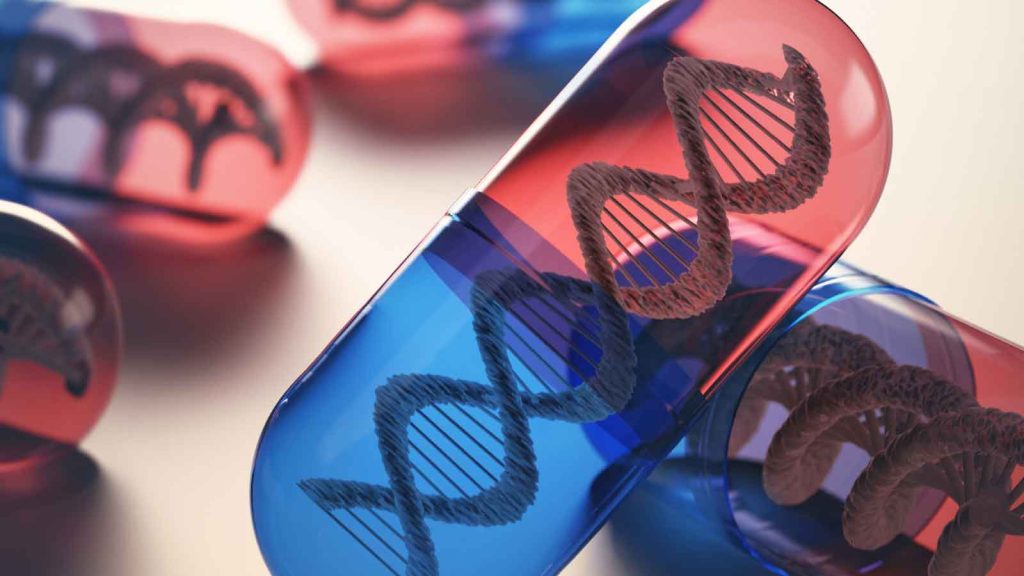
Addiction doesn’t look the same for everyone, and neither does its genetic influence. Different substances and behaviors are tied to specific genes that affect how we respond to them:
Alcohol Use Disorder: The ALDH2 and ADH1B Genes
Some people experience intense reactions after drinking alcohol—flushing, nausea, and rapid heartbeat. This is often due to variations in the ALDH2 and ADH1B genes that are responsible for how the body breaks down alcohol. When these genes are less effective, acetaldehyde—a toxic byproduct of alcohol—builds up quickly, making drinking an unpleasant experience.
This protective mechanism lowers the risk of alcohol dependence, but for those without these gene variants, the risk can be higher due to fewer immediate negative effects.
Nicotine Addiction: CHRNA5-CHRNA3-CHRNB4 Gene Cluster
The CHRNA5-CHRNA3-CHRNB4 gene cluster plays a central role in nicotine dependence. These genes affect nicotinic receptors in the brain, which respond to nicotine and influence how much satisfaction and craving a person feels when smoking.
Specific variants in this cluster can make nicotine more rewarding and withdrawal more intense. This combination increases the likelihood of heavy smoking and makes quitting more difficult.
Opioid Dependence: OPRM1 and COMT Gene Variations
Opioid addiction often ties back to how a person’s brain handles pain and pleasure, both influenced by genes like OPRM1 and COMT. The OPRM1 gene affects how well opioids bind to their receptors, while COMT influences how dopamine is processed.
Variants in these genes can heighten the euphoric effects of opioids or reduce emotional resilience, both of which increase the risk of dependence. These biological differences can also affect how individuals respond to treatment.
Behavioral Addictions: Dopamine Receptor Gene Variants in Gambling and Internet Addiction
Gambling and internet addiction may not involve substances, but they still activate the brain’s reward systems. Dopamine-related gene variations, especially DRD2, are commonly linked to these behaviors.
These genes can lower the brain’s natural dopamine activity, making everyday rewards feel less satisfying. As a result, people may seek out intense, high-stimulation activities like gambling or excessive gaming to compensate.
Genetic Testing and Personalized Addiction Treatment Approaches
Genetic testing helps identify how a person’s genes influence their risk for addiction and their response to treatment. It examines specific gene variants tied to brain chemistry, substance response, and emotional regulation. With this information, providers can design more effective, personalized care plans. Through comprehensive gene testing, treatment becomes more targeted, especially for those with a family history of addiction or past treatment failures.
Zooming in, here’s how genetic testing specifically supports addiction treatment:
- Identifies risk factors: Tests can detect gene variants linked to higher addiction risk, helping individuals take preventive steps early.
- Guides medication choices: Some medications work better—or worse—depending on how a person metabolizes them, which can be influenced by their genes.
- Tailors therapy options: Genetic profiles may indicate which therapeutic approaches, such as cognitive-behavioral therapy or medication-assisted treatment, are likely to be more effective.
- Improves treatment outcomes: By aligning treatment strategies with biological tendencies, patients often see better results and lower relapse rates.
In summary, understanding your genetic profile can make addiction treatment more precise and effective. It gives patients and providers a clearer direction on what will likely work. That clarity can make a real difference in long-term recovery.
Final Thoughts

Addiction isn’t a character flaw or a matter of weak willpower. It’s a complex condition shaped by both environment and genetics. Understanding the role of genes gives us better tools to intervene earlier and treat more effectively.
As research evolves, so do the possibilities for more targeted care. Tools like genetic testing and personalized treatment are helping move addiction care from reactive to proactive. With the proper insight and support, recovery becomes not just possible—but more predictable and sustainable.