Introduction
In mental health care, significant barriers often hinder access to essential services, leaving many individuals without the support they need. Remote psychiatry emerges as a solution, addressing these challenges by enhancing accessibility and reducing stigma. This approach not only facilitates necessary support but also offers outcomes comparable to traditional in-person consultations.
However, as remote psychiatry evolves, practitioners face various challenges – from technical setups to ethical considerations – that must be navigated to ensure effective care. Here’s what’s happening: the shift to digital platforms requires a thoughtful approach to maintain the quality of care.
To master remote psychiatry and cultivate a thriving practice in this digital age, consider these essential steps:
- Evaluate your current setup: Assess the technology and tools at your disposal to ensure they meet the needs of your practice and patients.
- Understand the ethical landscape: Familiarize yourself with the ethical implications of remote care, ensuring that patient confidentiality and informed consent are prioritized.
- Engage with patients meaningfully: Foster connections through empathetic communication, recognizing the unique challenges they face in a remote setting.
By focusing on these areas, practitioners can enhance their remote psychiatry practices, ultimately leading to improved patient outcomes.
Understanding Remote Psychiatry: Concepts and Importance
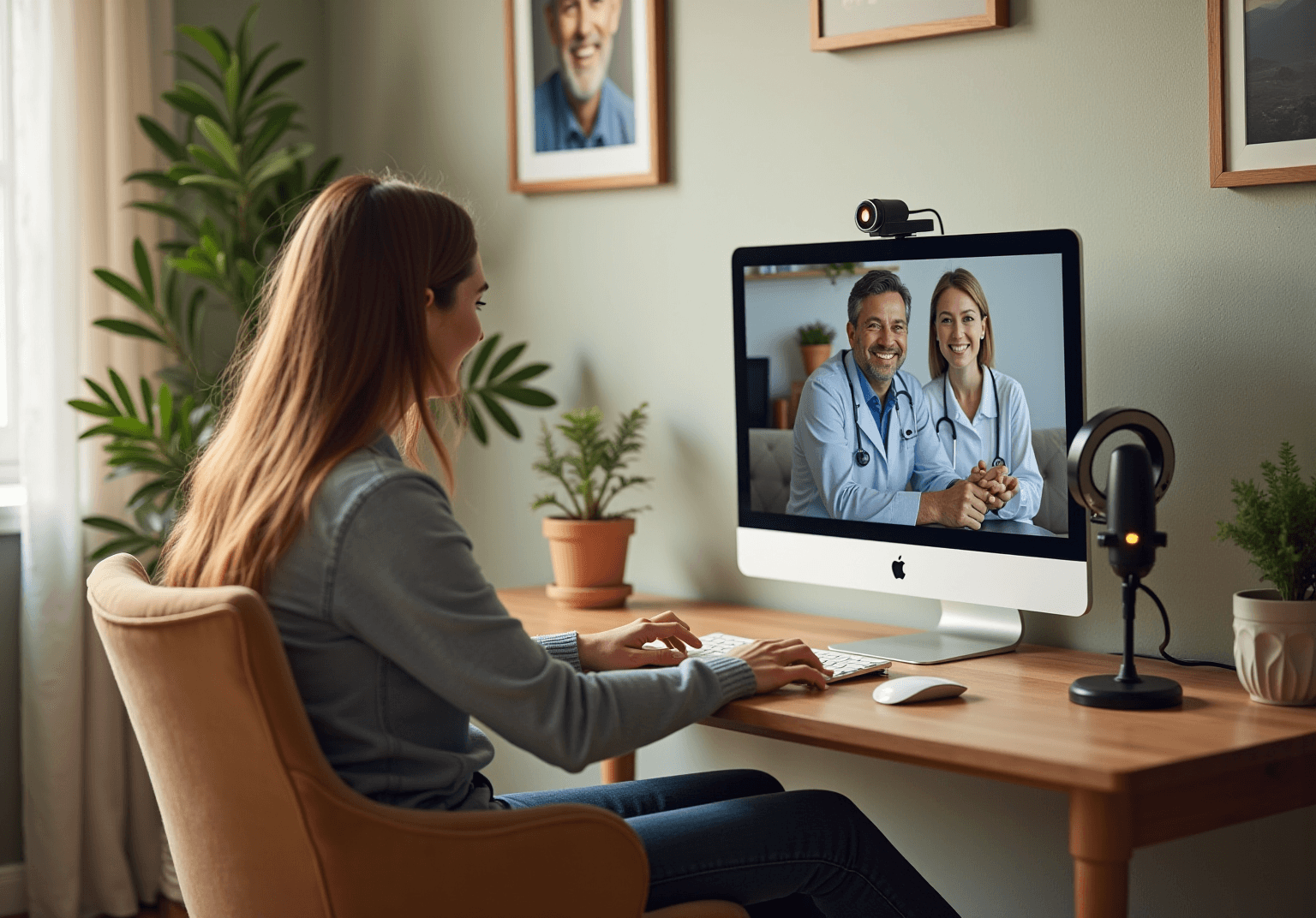
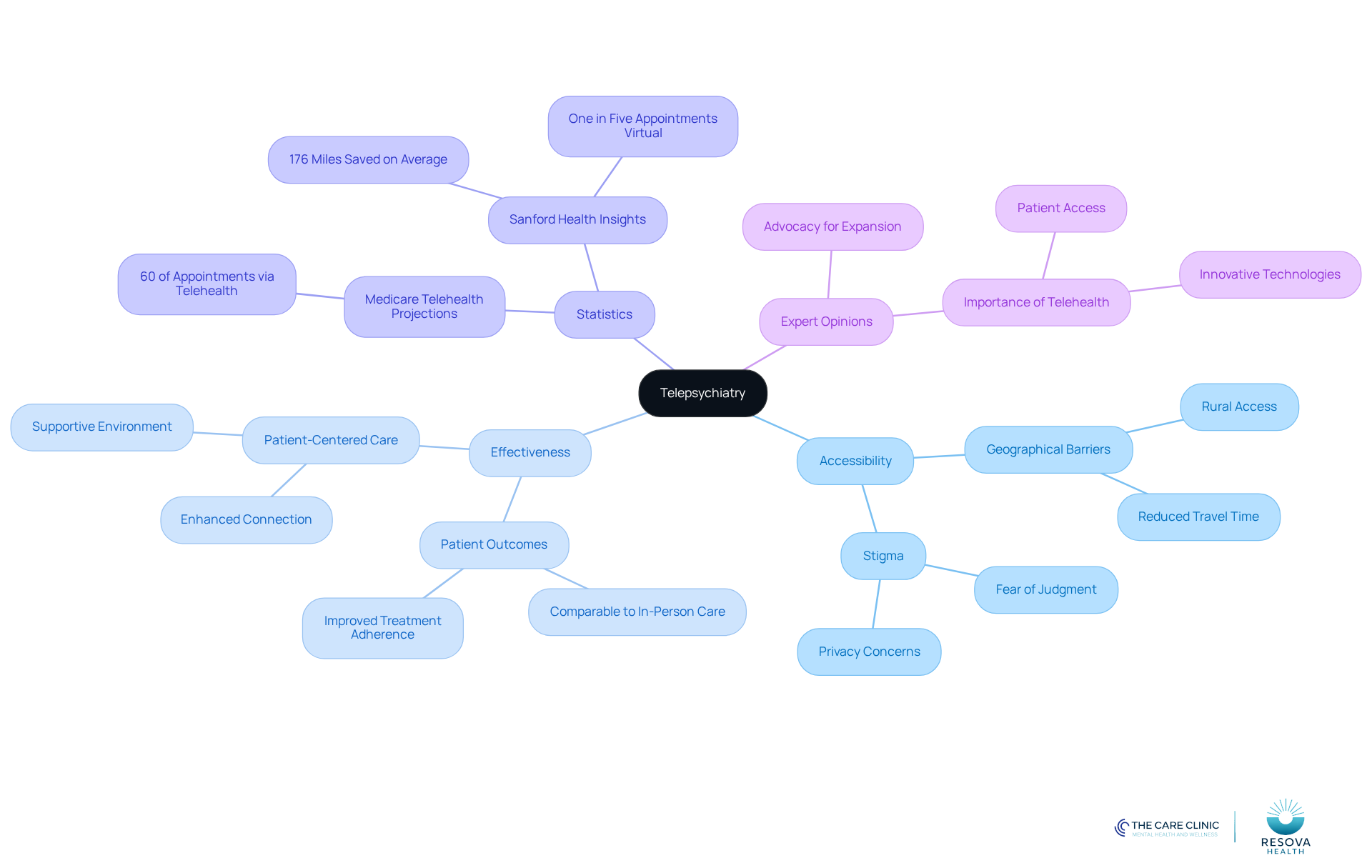
Telepsychiatry addresses a pressing issue in modern mental health care: accessibility. Many individuals face barriers such as geographical constraints and stigma, which can deter them from seeking help. This innovative approach leverages technology to provide remote psychiatry services, ensuring that care is available to those who need it most.
The significance of telepsychiatry lies in its ability to enhance access for individuals who might otherwise hesitate to seek help. Research shows that remote psychiatry can yield outcomes comparable to traditional in-person consultations, affirming its viability as a treatment option. For instance, over 60% of Medicare psychiatric appointments are expected to be conducted through telehealth, reflecting a growing acceptance of this model among both individuals and providers.
Successful implementations of remote psychiatry have demonstrated its effectiveness in overcoming geographical barriers. Many individuals in rural areas, where access to mental health experts is limited, have benefited from virtual consultations, significantly reducing travel time and associated costs. This model not only enhances access but also fosters a sense of connection and support, allowing individuals to engage with their providers in a familiar environment.
Expert opinions further reinforce the effectiveness of telepsychiatry. Numerous healthcare professionals advocate for its continued expansion, emphasizing its role in promoting patient-centered care and improving treatment adherence. As telepsychiatry evolves, it is poised to play an increasingly integral role in the mental health landscape, ensuring that individuals receive the care they need, regardless of their circumstances.
Establishing Your Remote Psychiatry Practice: Technical Setup
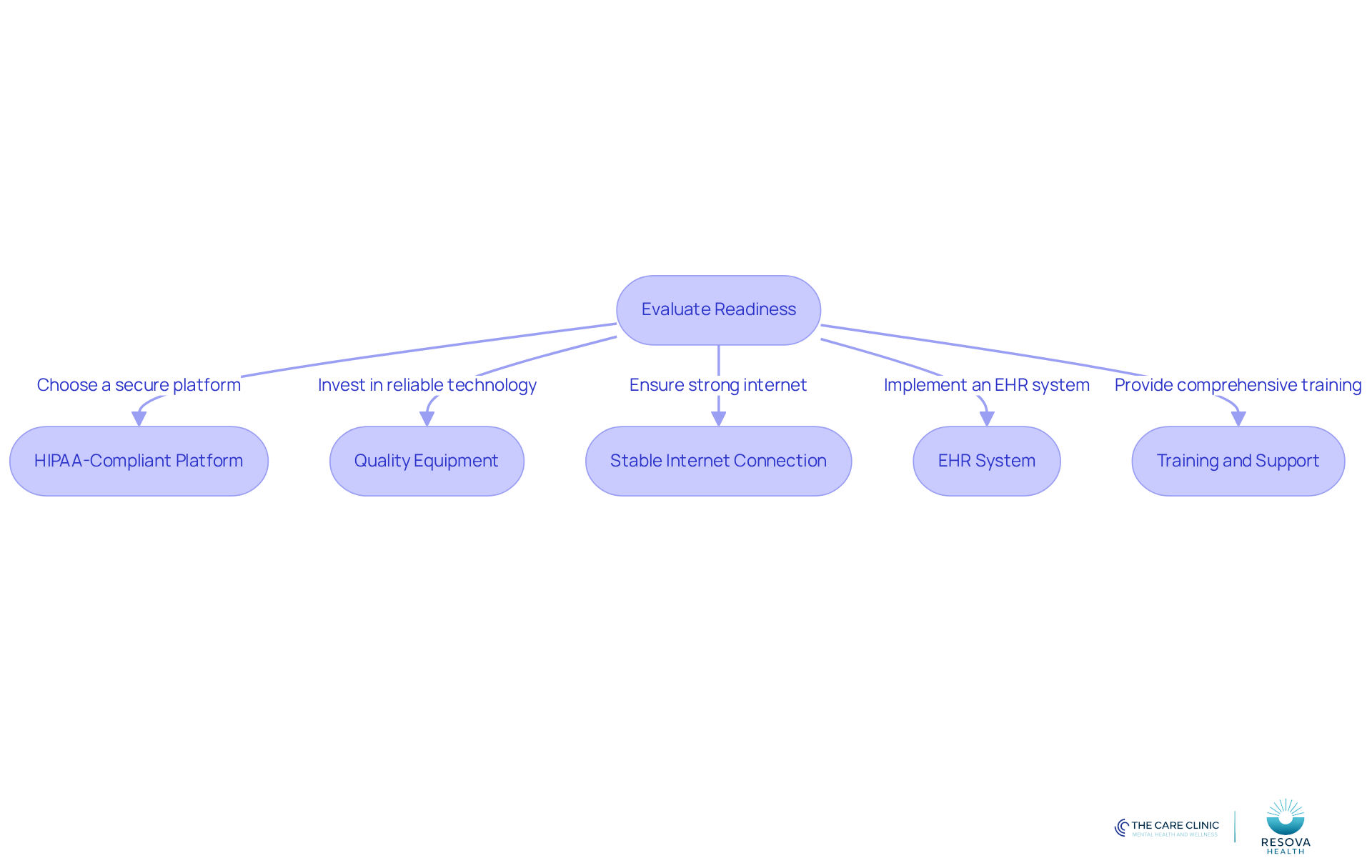
To establish a successful remote psychiatry practice, focus on several key technical components:
-
Choose a HIPAA-Compliant Platform: Selecting a telehealth platform that guarantees privacy and adheres to HIPAA regulations is essential. Leading options include Doxy.me, SimplePractice, and TheraNest, all of which provide strong security features to safeguard client information. For instance, Doxy.me’s Pro plans start at $35/month, while SimplePractice starts at $49/month with a 30-day free trial.
-
Invest in Quality Equipment: Reliable technology is essential for effective communication during sessions. Ensure you have a high-definition webcam, a quality microphone, and a dependable computer or tablet. Experts emphasize that having the right equipment significantly enhances the clarity of interactions in remote psychiatry, fostering a better therapeutic environment. Additionally, consider using proper lighting, such as a ring light, to improve visibility during sessions.
-
Stable Internet Connection: A strong and stable internet connection is vital to prevent disruptions during consultations. Consider investing in a backup connection, such as a mobile hotspot, to maintain continuity in case of outages. This proactive method reduces the risk of interruptions that could influence client engagement.
-
Electronic Health Records (EHR): Implement an EHR system that integrates seamlessly with your telehealth platform. This integration streamlines documentation and client management, allowing for efficient record-keeping and adherence to regulatory standards. Remember to sign a Business Associate Agreement (BAA) before using any telehealth platform to ensure compliance with HIPAA regulations.
-
Training and Support: Providing comprehensive training for yourself and your staff on using the technology effectively is essential. Acquaint everyone with resolving common problems to reduce interruptions during client sessions. Routine technology assessments, such as a 10-minute evaluation prior to the initial full session, can boost confidence in the virtual setting, facilitating a seamless experience for both providers and clients.
By ensuring these technical elements are in place, you can create a smooth experience for both you and those you serve, significantly enhancing the overall efficiency of your remote psychiatry practice.
Navigating Challenges in Remote Psychiatry: Ethics and Client Engagement
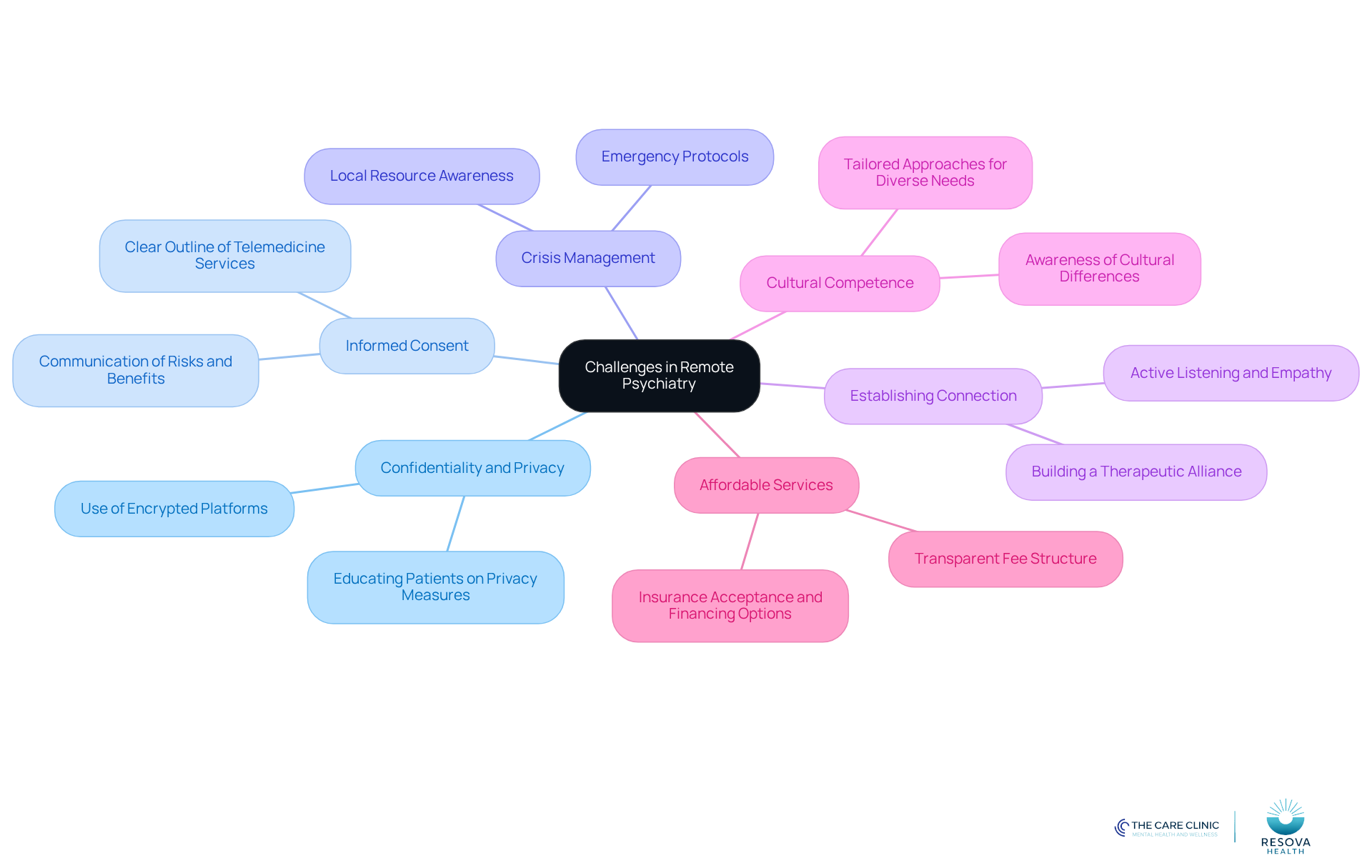
Navigating the ethical landscape of remote psychiatry presents several key challenges that require careful consideration:
-
Confidentiality and Privacy: At Resova Health, we recognize the importance of safeguarding client information. Our online mental health services utilize encrypted platforms to ensure that your privacy is protected. We prioritize educating patients about our privacy measures, fostering trust and transparency in our communications.
-
Informed Consent: Obtaining informed consent is essential before initiating remote sessions. At Resova Health, we clearly outline the nature of our telemedicine services, including potential risks and benefits, ensuring that patients are fully informed before proceeding.
-
Crisis Management: Effective crisis management protocols are crucial during remote sessions. Resova Health has developed strategies for emergencies and stays informed about local resources to direct individuals to if necessary, ensuring comprehensive support.
-
Establishing Connection: Engaging effectively with clients is vital. At Resova Health, we emphasize active listening, empathy, and open-ended inquiries. Building a strong therapeutic alliance is essential, even in a virtual environment, and we strive to create a supportive atmosphere for all.
-
Cultural Competence: Awareness of cultural differences that may impact communication and engagement is critical. The Clinic tailors its approach to meet the diverse needs of individuals, ensuring that everyone receives personalized support.
-
Affordable Services: We are committed to making mental health resources accessible. Our transparent fee structure averages between $150 and $200, and we provide superbills for potential reimbursement. Additionally, we accept various insurance plans and offer interest-free financing options to support our clients’ financial needs.
By proactively addressing these ethical challenges, practitioners at Resova Health can cultivate trusting relationships with clients, ensuring that the practice of remote psychiatry remains a safe and effective option for mental health care.
Conclusion
The practice of remote psychiatry highlights a significant shift in mental health care, addressing the pressing need for accessibility and patient-centered services. By utilizing technology, telepsychiatry allows individuals facing barriers to traditional care to receive essential support, ultimately improving the mental health treatment landscape.
In this article, we’ve explored key components for establishing an effective remote psychiatry practice. These include:
- The necessity of using HIPAA-compliant platforms
- Investing in quality equipment
- Ensuring a stable internet connection
- Integrating electronic health records
Additionally, navigating ethical challenges – such as confidentiality, informed consent, and cultural competence – is vital for building trust and fostering effective client engagement.
As remote psychiatry evolves, it’s crucial for practitioners to adopt these best practices and remain flexible to the changing needs of their clients. By prioritizing accessibility, ethical considerations, and effective communication, remote psychiatry can significantly enhance mental health services, creating a more inclusive and supportive environment for all individuals seeking care.
Frequently Asked Questions
What is telepsychiatry?
Telepsychiatry is a remote psychiatry service that utilizes technology to provide mental health care, addressing barriers such as geographical constraints and stigma that may prevent individuals from seeking help.
Why is telepsychiatry important?
Telepsychiatry enhances access to mental health care for individuals who may hesitate to seek help due to various barriers. It has been shown to produce outcomes comparable to traditional in-person consultations, making it a viable treatment option.
What percentage of Medicare psychiatric appointments are expected to be conducted through telehealth?
Over 60% of Medicare psychiatric appointments are expected to be conducted through telehealth, indicating a growing acceptance of this model among both individuals and providers.
How does telepsychiatry benefit individuals in rural areas?
Telepsychiatry significantly helps individuals in rural areas by overcoming geographical barriers, allowing them to access mental health experts through virtual consultations, which reduces travel time and associated costs.
What are the expert opinions on telepsychiatry?
Many healthcare professionals advocate for the expansion of telepsychiatry, highlighting its effectiveness in promoting patient-centered care and improving treatment adherence.
What role is telepsychiatry expected to play in the future of mental health care?
As telepsychiatry evolves, it is expected to become an increasingly integral part of the mental health landscape, ensuring that individuals receive the necessary care regardless of their circumstances.
List of Sources
- Understanding Remote Psychiatry: Concepts and Importance
- House bill would make telehealth changes permanent (https://ama-assn.org/practice-management/digital-health/house-bill-would-make-telehealth-changes-permanent)
- Why Telehealth for Mental Health Care Is Working (https://yalemedicine.org/news/telehealth-for-mental-health)
- Key Trends Reshaping the Telepsychiatry Market: Innovations With AI-Driven Virtual Clinic Industry Transformation (https://openpr.com/news/4270224/key-trends-reshaping-the-telepsychiatry-market-innovations)
- Establishing Your Remote Psychiatry Practice: Technical Setup
- Best HIPAA Compliant Telehealth Platforms for Mental Health Professionals in 2025 (https://supanote.ai/blog/hipaa-compliant-telehealth-platforms)
- Home Office Essentials for Therapists: Setting Up a Professional Remote Practice (https://blueprint.ai/blog/home-office-essentials-for-therapists-setting-up-a-professional-remote-practice)
- 8 HIPAA-Compliant Telehealth Platforms and Features | 2025 (https://blaze.tech/post/hipaa-compliant-telehealth-platforms)
- Top Features of a HIPAA Compliant Telehealth Platform [Updated for 2025] | Practice Better (https://practicebetter.io/blog/top-features-of-a-hipaa-compliant-telehealth-platform-in-2025)
- 9 Tools for Therapists Working Remotely (https://valant.io/resources/blog/9-tools-for-therapists-working-remotely)
- Navigating Challenges in Remote Psychiatry: Ethics and Client Engagement
- New study: AI chatbots systematically violate mental health ethics standards (https://brown.edu/news/2025-10-21/ai-mental-health-ethics)
- Telemedicine Transforms Mental Health Care: Trends and Challenges in 2025 (https://webpronews.com/telemedicine-transforms-mental-health-care-trends-and-challenges-in-2025)
- Ethical Considerations in Teletherapy (https://indwes.edu/articles/2025/04/ethical-considerations-in-teletherapy)
- Disruption to Telemedicine Services (https://psychiatry.org/psychiatrists/practice/telepsychiatry/blog/disruption-to-telemedicine-services)
- Making patient privacy and data security a priority in telehealth delivery (https://apaservices.org/practice/business/technology/tech-101/role-technology-telehealth)