Psychiatric Care That Follows You Home
Psychiatric medication management matters even more when life feels heavy. Late winter can be a hard stretch. Holidays are over, daylight is short, and cold, gray days can make mood, anxiety, sleep, and attention harder to manage. Symptoms that were “okay” in the fall may start to feel less stable in February.
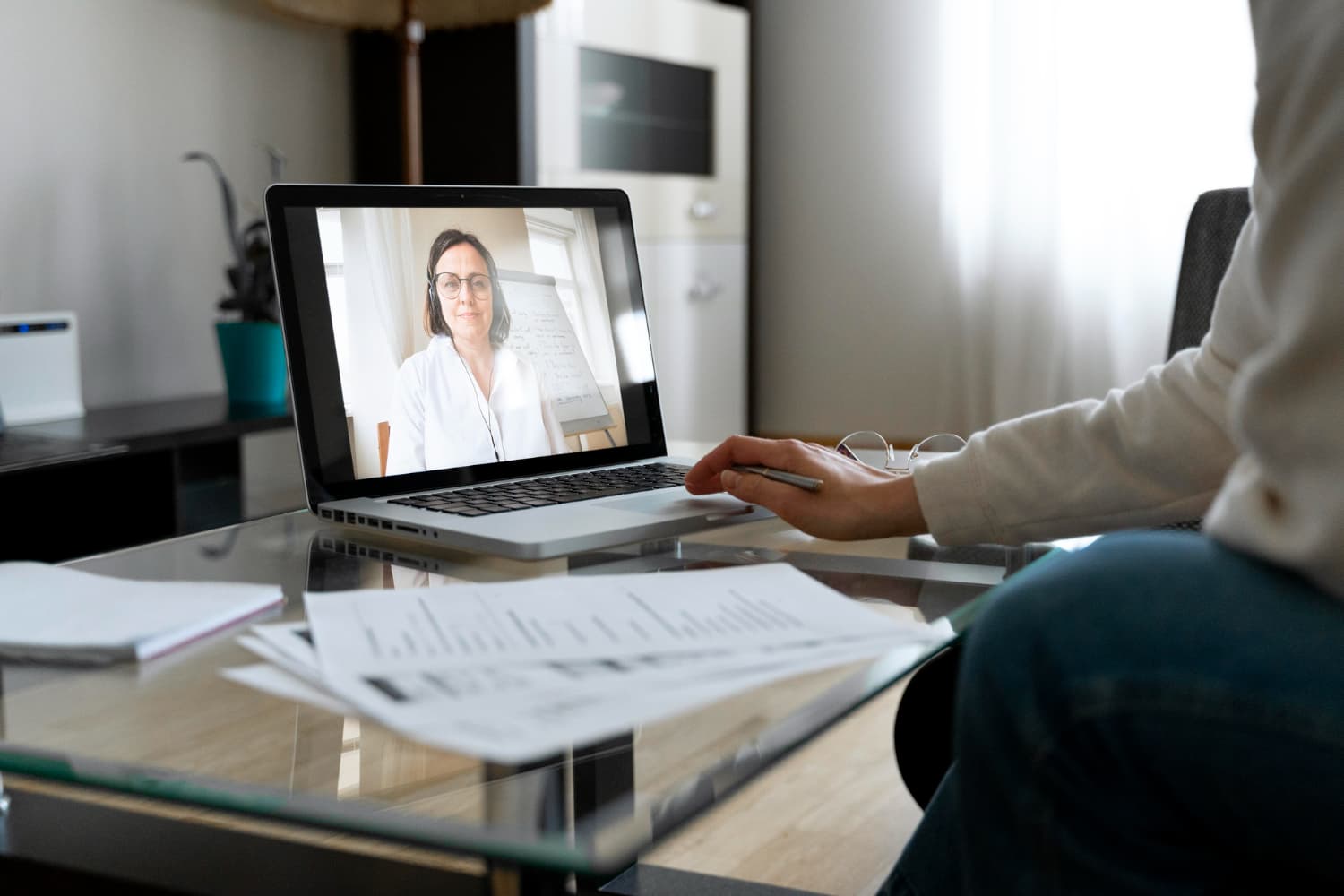
Telepsychiatry gives people a way to stay connected to care without leaving home. At Resova Health, we are a physician-led, psychiatry-first practice. Our focus is careful evaluation, clear diagnosis, and ongoing psychiatric medication management, not quick, one-time visits. Telepsychiatry is simply the way we meet, through secure video, while keeping the same clinical standards used in an in-person psychiatric office.
In this article, we explain why structured medication management is at the center of safe, effective telepsychiatry and how this model may help both patients and referring clinicians feel more grounded in the treatment process.
What Psychiatric Medication Management Really Means
Psychiatric medication management is not just writing a prescription. It is an ongoing, physician-led process that includes:
- Careful assessment and diagnosis
- Deciding if medication is appropriate
- Choosing a medication and starting dose
- Gradually adjusting the dose over time
- Watching for benefits, side effects, and interactions
- Coordinating care with other clinicians when needed
Good medication decisions start with a full psychiatric evaluation and medical history, not just a symptom checklist. We look at mood, anxiety, attention, sleep, past treatments, and medical issues. We then follow up over time, rather than relying on a single telehealth visit.
During follow-up visits, a psychiatrist may:
- Review how symptoms change week by week
- Re-check for co-occurring conditions, like anxiety with depression, ADHD with mood symptoms, or substance use concerns
- Consider changes in work, family stress, or health that might affect medication response
We also talk openly about:
- Potential benefits
- Possible side effects
- Reasonable expectations for timing and degree of improvement
- When non-medication options, like psychotherapy, might be helpful on their own or alongside medication
At Resova Health, our telepsychiatry visits are built to support this kind of structured, physician-led medication management. When clinically indicated for advanced treatment planning, in-person assessments are available at our Virginia location.
How Telepsychiatry Supports Careful Medication Decisions
Telepsychiatry can actually give extra context for medication decisions. When we see someone in their home setting, we may notice details about their routine that matter for treatment, such as:
- Where they sleep and work
- Daytime light exposure
- Signs of disrupted structure or high stress
Regular virtual follow-up can support safe psychiatric medication management by making it easier to:
- Schedule shorter, more frequent visits during dose changes
- Catch emerging side effects early
- Adjust medications when new medical treatments are started
- Reduce gaps in care when symptoms are unstable
Many people worry about privacy, technology problems, or whether they can build trust over video. At Resova Health, we use secure platforms and structured interview methods to keep visits clinically focused and respectful. We encourage patients to choose a quiet, private space and to test their device before appointments so we can spend more time on care, not on tech.
Winter weather, illness, or transportation problems can easily lead to missed in-person appointments, especially when someone is not feeling well. Telepsychiatry can lower these barriers, which may be particularly helpful when medications are being adjusted or when conditions are complex or hard to treat.
When red flags appear, such as safety concerns or signs that a higher level of care is needed, telepsychiatrists work within clear safety protocols. We may coordinate with local emergency services, primary care clinicians, or hospitals when clinically necessary.
Managing Complex and Treatment-Resistant Conditions Over Time
Conditions like recurrent depression, bipolar disorder, OCD, PTSD, ADHD, and combinations of these often need more than a short medication trial. They usually call for longer-term, closely monitored strategies that respect how layered symptoms can be.
Psychiatric medication management in these situations may include:
- Careful trials of different medications
- Step-by-step dose optimization
- Adding a second medication to support the first
- Regularly re-checking the diagnosis as new information appears
Resova Health can act as a referral destination when prior treatments have not led to the hoped-for improvement. Referring clinicians may request a second opinion, help with medication stabilization, or clarification of diagnosis. When appropriate, patients can then return to local clinicians with a clearer plan.
To reduce guesswork, we may draw on:
- Structured assessment tools
- Collateral information from families or referring clinicians, when consent is given
- Planned follow-up schedules rather than “as needed” visits
Results vary from person to person, and progress can be gradual. Ongoing communication between patient and physician is key for working through side effects, planning around real-life demands, and keeping expectations realistic over months and sometimes years.
Where Advanced Treatments Fit in Psychiatric Care
Some people hear about advanced treatments and wonder if they should skip straight to them. Treatments like transcranial magnetic stimulation, often called TMS, and ketamine infusions are not first-line options for most people. They are considered only when clinically appropriate and usually after more standard medication strategies have been tried without sufficient benefit.
Psychiatrists at Resova Health may:
- Provide eligibility evaluations
- Offer education about potential benefits and risks
- Give referral guidance when advanced treatments might be reasonable to consider
We stay careful about indications, limits, and safety. In-person TMS and ketamine infusion therapy are available at our Virginia location only. Telemedicine visits in other states focus on psychiatric evaluation, diagnosis, and psychiatric medication management, not procedures.
Even when advanced treatments are involved, a structured medication plan still matters. Before, during, and after any advanced intervention, we pay attention to:
- How current medications may interact with the treatment
- Mood and symptom tracking
- Safety planning
- Clear communication between the treatment team and other clinicians
Resova Health also provides objective pre-surgical psychiatric assessments and independent psychiatric evaluations as separate, referral-driven services. These evaluations are kept distinct from ongoing treatment relationships to preserve clarity of role and objectivity.
Making the Most of Your Telepsychiatry Visits
Good psychiatric medication management works best when visits are focused and honest. Patients can prepare for telepsychiatry appointments by:
- Keeping an up-to-date list of all medications and supplements
- Noting mood, sleep, and energy changes between visits
- Writing down questions or concerns ahead of time
Creating a private, quiet space, even for a short visit, supports more open conversation. This can be especially important for sensitive topics such as side effects, substance use, or safety concerns.
It also helps when patients share:
- New medical diagnoses or changes in physical health
- New prescriptions or over-the-counter medications from other clinicians
- Major life events, such as a move, job change, or loss
For referring clinicians and institutions, helpful information to include with a referral may be:
- Past and current psychiatric diagnoses
- A list of prior medication trials and responses
- Relevant testing or prior psychiatric assessments
No one needs to arrive with perfect words or a complete timeline. A core part of the psychiatrist’s role is to ask structured questions, listen carefully, and help organize complex experiences into a workable treatment plan that can be adjusted over time.
Taking a Calm Next Step Toward Long-Term Stability
Effective telepsychiatry is built on careful, ongoing psychiatric medication management, not quick, one-time prescriptions. This is especially important during seasons when symptoms can shift, like late winter. A steady, physician-led relationship may help some patients move toward more stable mood and clearer thinking over time.
At Resova Health, we focus on psychiatric evaluation, diagnosis, and longitudinal medication management through telemedicine, with in-person advanced treatments available only at our Virginia location when clinically appropriate. We also serve as a referral resource for second opinions, medication stabilization, pre-surgical psychiatric evaluations, and independent psychiatric assessments, with clear boundaries around treatment roles. While no approach can promise specific results, a structured telepsychiatry plan can offer a more consistent, thoughtful path for managing psychiatric medications and coordinating care.
Take the Next Step Toward More Stable Mental Health
If you are ready for more consistent relief from symptoms, we are here to help you find a medication plan that truly fits your life. At Resova Health, our clinicians take time to understand your history, current challenges, and goals so we can guide you through thoughtful psychiatric medication management. We work collaboratively with you to adjust medications safely and monitor your progress over time. Reach out today to schedule an appointment and start moving toward steadier, more predictable mental health.