Questioning your mental health diagnosis is more common than people think. You might notice that what was once called depression now feels more like anxiety, or that your mood and energy shift in ways that do not fit the label you were given. As late winter drags on and schedules change around spring, sleep, daylight, and stress can all shift too, and symptoms can feel different or stronger than they did before.
Conditions like depression, anxiety, bipolar disorder, ADHD, PTSD, OCD, and sleep-related concerns often share similar signs. Trouble focusing, low energy, irritability, and feeling “on edge” can show up in many different conditions, not just one. That overlap can make it hard to feel sure about what is really going on.
A psychiatric second opinion is one structured way to step back and look at the full picture again. It is not a sign of disloyalty to your current clinician and not a personal failure. It is simply another medical opinion from a physician, focused on diagnosis and treatment planning. As a psychiatry-first practice, we spend much of our time on thorough evaluation, diagnosis clarification, and medication management, primarily through telemedicine, with select in-person services in Virginia when they are clinically needed.
Why Psychiatric Diagnoses Are So Complex
Mental health symptoms do not always fit neatly into one box. For example, poor focus and fatigue can come from depression, ADHD, or even a sleep disorder. Racing thoughts and restlessness may be part of anxiety, bipolar spectrum conditions, or a reaction to certain medications. When seasons change, especially in late winter and into spring, shifts in light and routine can either bring symptoms to the surface or hide them for a while.
A careful psychiatric evaluation looks beyond any single symptom. It usually includes:
- A detailed personal history over time
- Review of past records and prior diagnoses
- Family history of mental health conditions
- Sleep patterns, daily routines, and stressors
- Medical conditions and medications that might affect mood or thinking
- What has happened with past medication trials
Diagnoses can change as new information comes in. As life changes, as new stress appears, or as treatments are tried, patterns become clearer. A new evaluation does not promise a different label or a specific result, but it may help refine the diagnosis and suggest safer, more targeted treatment options.
At our clinic, board certified psychiatrists lead this process. Telepsychiatry allows us to bring the same clinical depth you would expect in person into a secure video visit, where we can talk through your history without rushing.
When a Psychiatric Second Opinion May Help You
A psychiatric second opinion is an in-depth, independent evaluation that focuses on clarifying diagnosis and reviewing your current and past medication strategies. It does not automatically replace your current clinician. Sometimes the goal is simply to give you and your existing team another perspective.
You might consider a second opinion if:
- Symptoms remain distressing despite several medication trials
- Your diagnosis has changed more than once and still feels unclear
- You are having new or worsening side effects from medication
- You have had major life changes, such as a move, loss, or trauma
- You are wondering whether treatments like TMS or ketamine might be appropriate
It is normal to worry about hurting your current clinician’s feelings or to fear that asking for another opinion means starting everything over. In medical care, second opinions are routine. Thoughtful clinicians often support them, because a fresh set of eyes may catch details that were not obvious before.
Our team often works alongside referring psychiatrists, primary care clinicians, and therapists. When patients are sent to us for a second opinion, we can provide an objective written summary and, when appropriate, return patients to their existing treatment team with clear recommendations.
What to Expect From a Second Opinion at Resova Health
If you seek a psychiatric second opinion with us, the process is organized and focused on your safety. Most visits are by secure video. For some people in Virginia, an in-person visit may be recommended, depending on clinical needs.
A typical second opinion with us may include:
- One or more telemedicine visits with a psychiatrist
- Careful review of your current symptoms and when they started
- Discussion of past diagnoses and how they were made
- Review of medications you have tried, what helped, and what caused problems
- Attention to sleep, medical conditions, and any substance use
At the end, outcomes can vary. Some people receive confirmation that their current diagnosis and plan make sense, which can bring peace of mind. Others may get:
- Adjustments or refinements to the diagnosis
- Suggestions for medication changes or slow, monitored tapers
- Recommendations for specific types of psychotherapy
- Discussion of whether advanced treatments, such as TMS or ketamine, should be considered
For treatments like TMS and ketamine, our role is as evaluator and gatekeeper. We look at safety, possible benefits, and limits, and we offer referrals when appropriate. In-person TMS and ketamine infusion therapy are options only in Virginia. Across all of this, we are careful about boundaries. We do not promise specific results and we focus on gradual, monitored changes, in coordination with your other medical and mental health providers whenever possible.
How Telepsychiatry Supports Careful Re-Evaluation
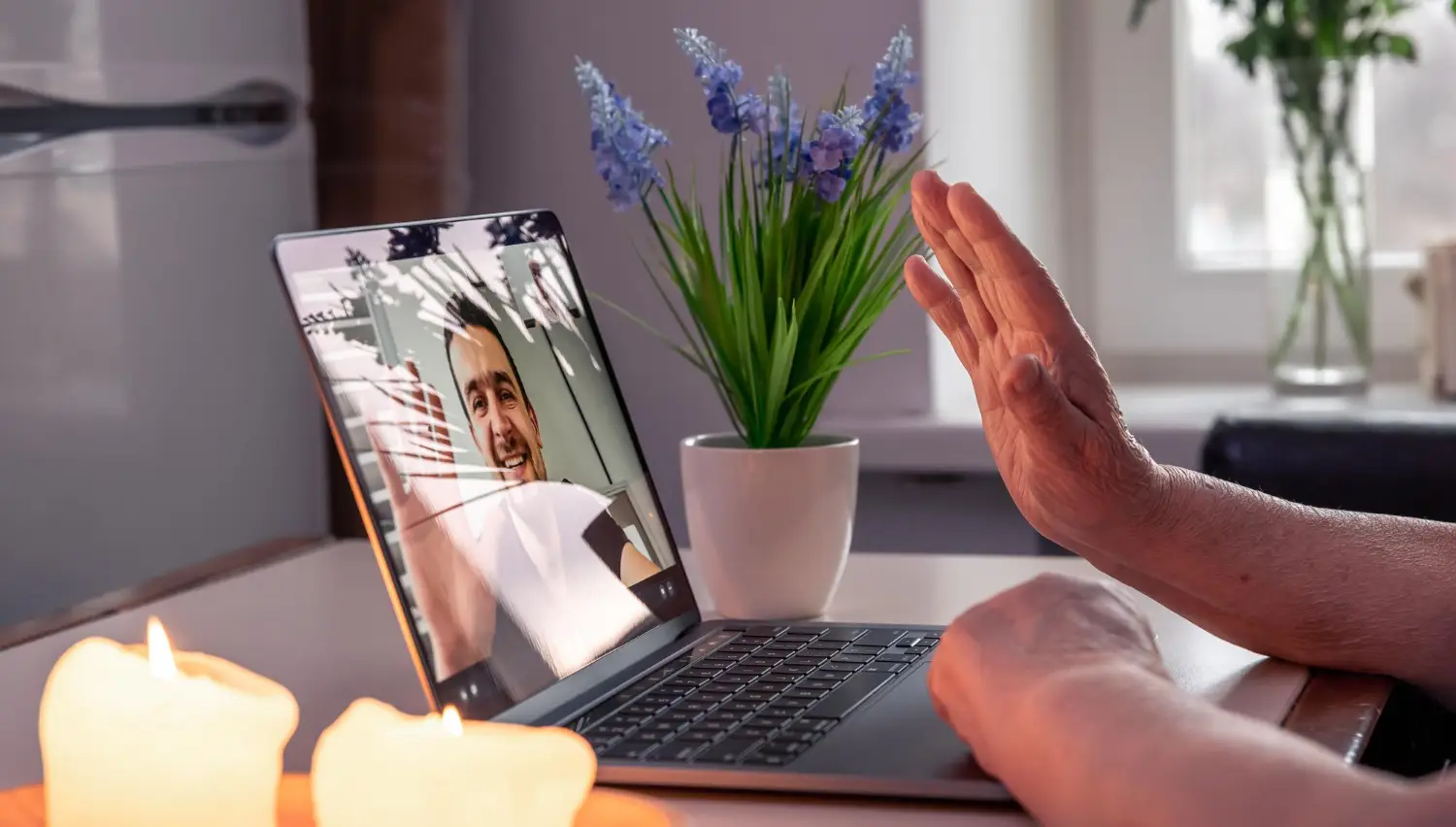
Telepsychiatry lets us offer physician-led second opinions and longer-term medication management to people across eligible states without losing depth or structure. During a video visit, we can watch how you speak, how you respond, and how your mood appears, similar to an in-person session.
Telemedicine supports:
- Detailed diagnostic interviews that include your history and concerns
- Close follow-up to see how medication changes affect you over time
- Ongoing care for complex or treatment-resistant conditions
- Regular check-ins that fit more easily into busy schedules
Around March and into spring, routines often change. Weather shifts, travel plans, school breaks, and longer days can all affect sleep and stress. For college students, people who split time between locations, or anyone dealing with changing work demands, video visits can make it easier to stay consistent with care.
Telemedicine visits follow the same clinical standards as office visits. We are clear about state licensure rules and will let you know when an in-person visit in Virginia might be recommended for safety or for certain kinds of evaluation.
Preparing for Your Psychiatric Second Opinion
A little preparation can make your second opinion more helpful. Before your visit, it may help to gather:
- Prior psychiatric records and hospital discharge summaries
- A list of all medications you have tried, doses, and how long you took them
- Notes on side effects, both physical and emotional
- Any psychological testing reports
- Records from past TMS or ketamine evaluations or treatments, if you have had them
You might also want to organize your thoughts around a few key questions:
- What feels unclear or confusing about your current diagnosis?
- What treatments have helped, even a little, and what has not helped at all?
- What are your concerns about long-term medication use?
- What are your main goals for this next phase of care?
Setting realistic expectations is important. A second opinion cannot erase all uncertainty, but it may improve clarity, safety, and direction. Diagnosis and treatment often change over time, and that is not a sign that anything has gone wrong. With your permission, we can share our impressions with your referring clinician, primary care physician, or therapist so that everyone stays on the same page.
Taking the Next Step Toward Clarity and Confidence
If you are not sure your current diagnosis fits anymore, or your treatment plan does not seem to match how you feel, a structured psychiatric second opinion may help you think more clearly about the months ahead. Having another physician review your history, symptoms, and medications can provide a sense of direction, whether the final result is confirmation, adjustment, or a new set of options to consider.
At Resova Health, we focus on physician-led telepsychiatry, careful diagnostic re-evaluation, and thoughtful medication management for depression, anxiety, bipolar disorder, ADHD, PTSD, OCD, and sleep-related psychiatric concerns. We also provide independent assessments when patients or clinicians are considering advanced treatments like TMS or ketamine. Seeking more information is a responsible step in caring for your mental health, and collaborative psychiatric care may help some patients move forward with greater confidence in their plan.
Take The Next Step Toward Clarity And Confidence In Your Care
If you are feeling uncertain about a diagnosis or treatment plan, we are here to help you feel more informed and supported. At Resova Health, our clinicians provide thoughtful evaluations that respect your questions, concerns, and goals. Schedule a psychiatric second opinion today so we can review your current plan together and explore options that fit your needs. Taking this step can give you the clarity and confidence you deserve in your mental health care.