
Introduction
Recognizing the signs of Attention Deficit Hyperactivity Disorder (ADHD) is a crucial step toward clarity and enhancing one’s quality of life. With ADHD diagnoses on the rise, understanding how to navigate the online assessment process is more important than ever. Many individuals grapple with a pressing question: how can one effectively distinguish between common distractions and the symptoms of ADHD?
This guide provides a comprehensive pathway to diagnosing ADHD online, empowering readers to take charge of their mental health and seek the support they deserve.
- Reflect on your daily distractions.
- Consider how often these interfere with your tasks.
- Evaluate your ability to focus in various environments.
By recognizing these signs, you can better understand the underlying issues and take informed steps toward improvement.
Identify Symptoms of ADHD
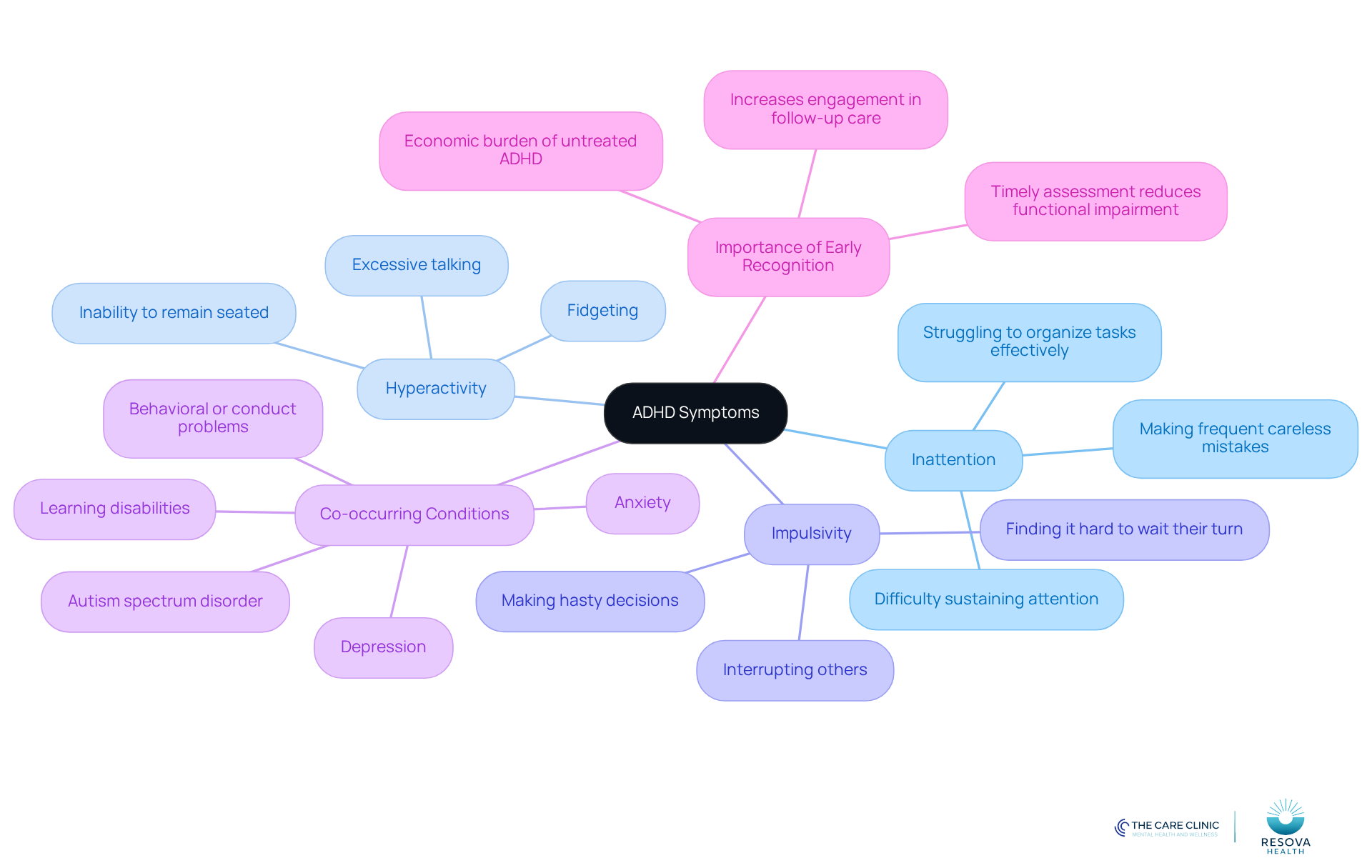
Diagnosing ADHD starts with recognizing common symptoms, which can be categorized into three main areas:
- Inattention: Difficulty sustaining attention, making frequent careless mistakes, and struggling to organize tasks effectively.
- Hyperactivity: Symptoms may manifest as fidgeting, an inability to remain seated, and excessive talking.
- Impulsivity: Individuals may interrupt others, find it hard to wait their turn, and make hasty decisions without considering the consequences.
To evaluate these signs, consider using online self-assessment tools that can help you diagnose ADHD online, such as the Adult Self-Report Scale (ASRS). These tools typically require you to answer questions about your behavior over the past six months. For example, you may be asked how often you forget appointments or misplace items essential for completing tasks. Engaging in these evaluations can help you diagnose ADHD online by determining if your experiences align with attention deficit hyperactivity disorder characteristics, offering a crucial step toward understanding your mental well-being.
At Resova Health, we recognize the common coexistence of psychiatric disorders, including ADHD, addiction, and pain management. Research shows that a significant percentage of adults experience ADHD symptoms, underscoring the importance of early recognition and intervention. Unlike other practices, Resova Health emphasizes a collaborative care model led by our expert team, ensuring personalized support tailored to your needs. Utilizing self-assessment tools not only aids in recognizing potential attention disorders but also fosters a proactive approach to seeking professional support.
Understand DSM-5 Criteria for ADHD
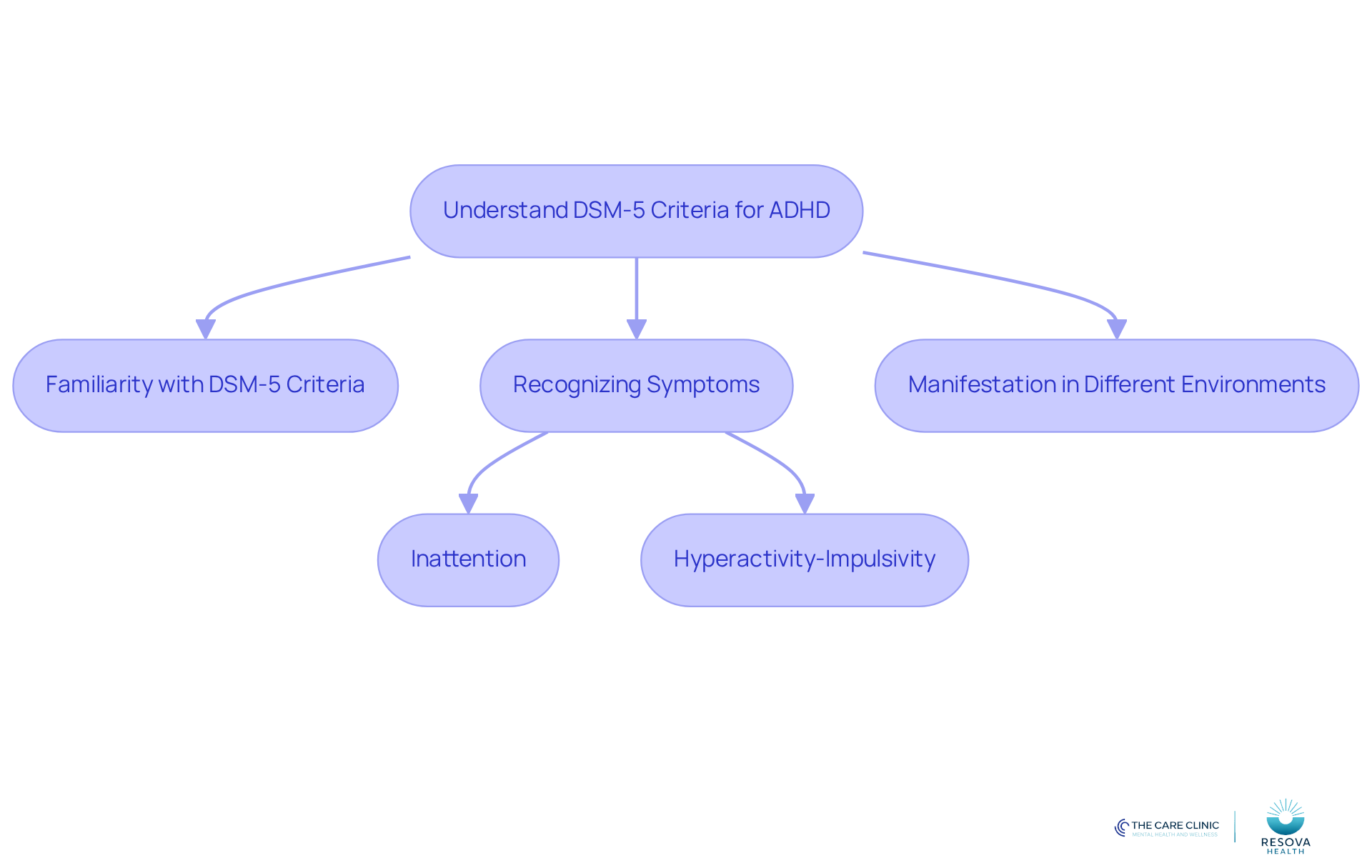
The Diagnostic and Statistical Manual of Mental Disorders, Fifth Edition (DSM-5), outlines specific criteria for diagnosing Attention Deficit Hyperactivity Disorder (ADHD). To receive a diagnosis, an individual must demonstrate at least six signs of inattention and/or hyperactivity-impulsivity for a minimum of six months. These signs should be evident in two or more settings – such as home, school, or work – and must significantly disrupt daily functioning.
Key Symptoms Include:
- Inattention: This may involve failing to pay close attention to details, struggling to organize tasks, and being forgetful in daily activities.
- Hyperactivity and Impulsivity: Indicators include excessive talking, difficulty waiting for one’s turn, and interrupting others during conversations.
Understanding these criteria is crucial for navigating the process to diagnose ADHD online and preparing for meaningful discussions with healthcare professionals about potential ADHD indicators. At Resova Health, we provide comprehensive online psychological services where experienced professionals can diagnose ADHD online and specialize in attention disorders. Our goal is to provide accessible support with transparent costs. We accept various insurance plans and maintain a clear fee structure, typically ranging from $150 to $200. Additionally, we offer interest-free financing options, allowing for convenient online payments. We strictly adhere to HIPAA guidelines to ensure your privacy is protected.
Consult a Qualified Professional for Evaluation
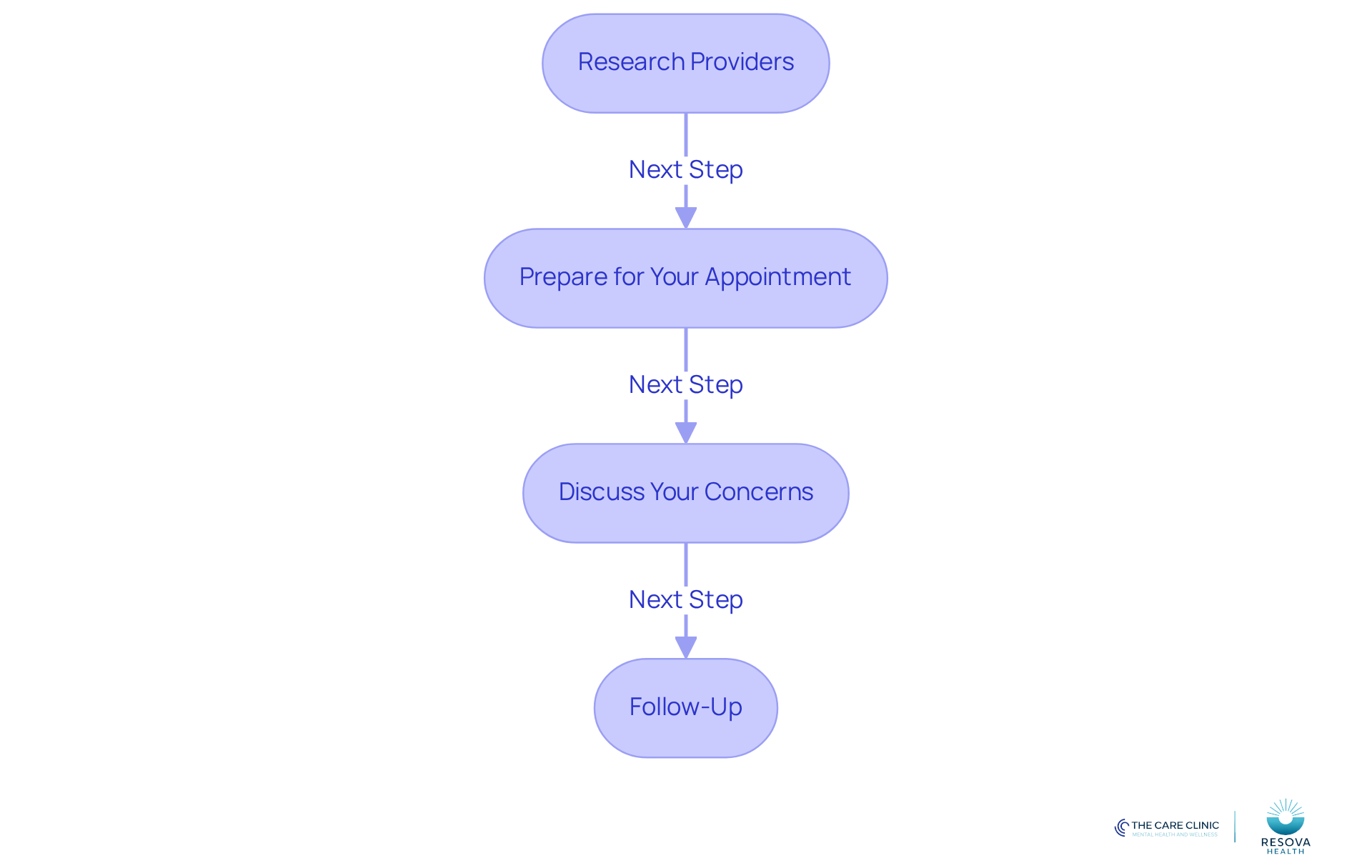
Navigating mental health consultations can be daunting, especially when trying to diagnose ADHD online. Understanding the steps involved is crucial for effective engagement with healthcare professionals. Here’s how to approach this process:
-
Research Providers: Start by identifying licensed psychologists, psychiatrists, or specialized clinics for attention deficit disorders. Online platforms such as Resova Health can facilitate the process to diagnose ADHD online by connecting you with professionals offering virtual consultations, simplifying the search for appropriate support. Their comprehensive psychological services include tailored ADHD treatment programs, addiction care, and mood disorder management, all designed to enhance focus and support recovery.
-
Prepare for Your Appointment: Gather detailed information about your symptoms, including their onset and impact on your daily life. Bringing self-assessment results can provide valuable context for your discussion with the provider.
-
Discuss Your Concerns: During the evaluation, be open about your experiences. The professional will likely use standardized assessment tools and conduct interviews to gain a comprehensive understanding of your situation. As Lisa Anderson, a psychiatric mental health NP, notes, “Understanding your symptoms and being ready to discuss them can greatly enhance the evaluation process.”
-
Follow-Up: After the evaluation, review the findings with your clinician and discuss potential next steps, which may include further testing or tailored treatment options.
Research indicates that around 7 million children aged 3-17 years in the U.S. have been diagnosed with attention deficit hyperactivity disorder, with diagnoses increasing by 1 million from 2016 to 2022. Success stories abound, with over 98% of users of Attention Deficit Advisor reporting improved outcomes after utilizing their services. By following these steps, you can foster a clearer understanding of your condition and diagnose ADHD online while accessing the support you need through Resova Health’s accessible mental health counseling services.
Explore Online Diagnosis Options
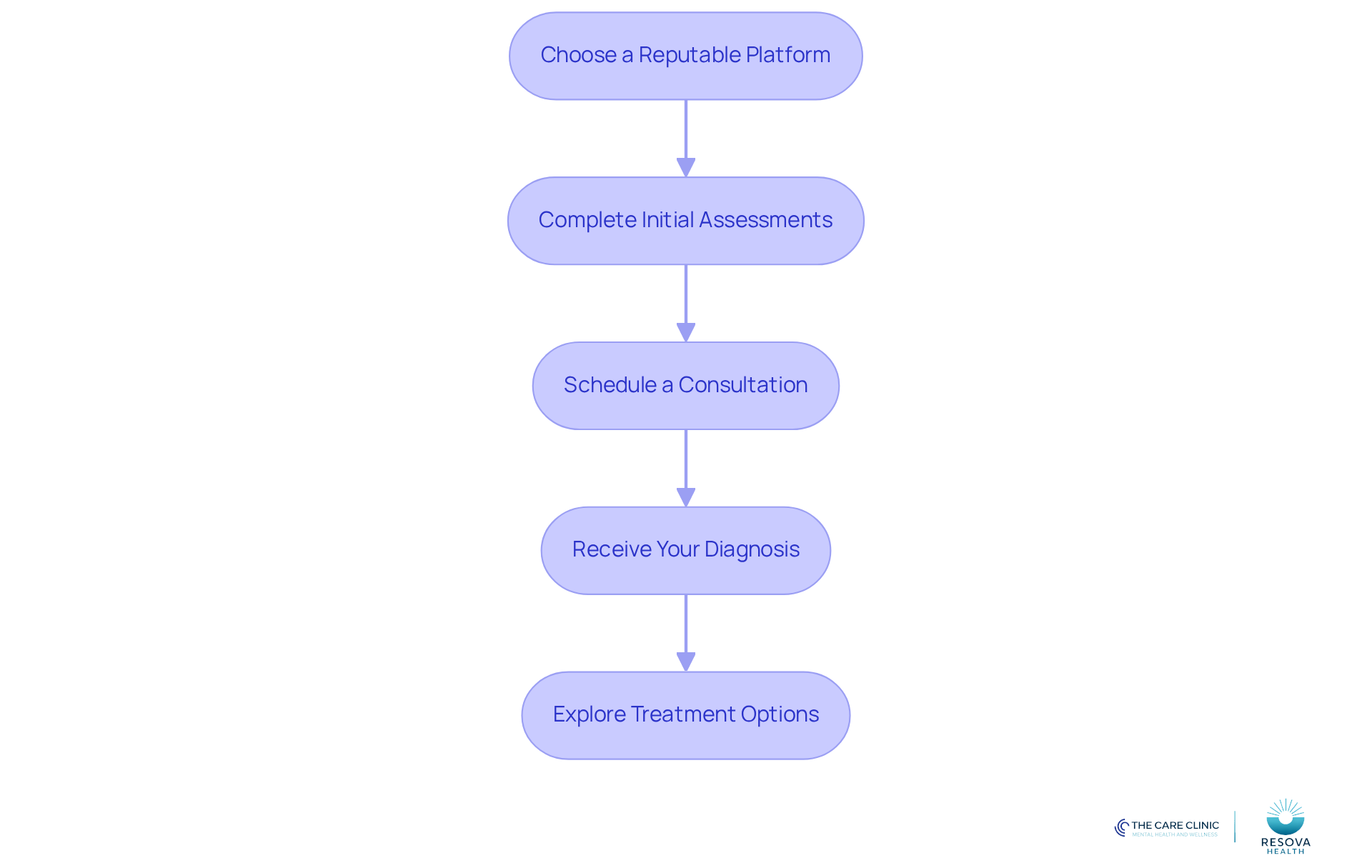
The rise of telehealth has significantly improved access to diagnose ADHD online, allowing individuals to navigate the diagnosis process with ease. Here’s a structured approach to obtaining an ADHD diagnosis through telehealth:
-
Choose a Reputable Platform: Select online services that specialize in ADHD assessments. Ensure they are licensed and have positive reviews. Resova Health is a notable mental health clinic dedicated to providing compassionate care.
-
Complete Initial Assessments: Most platforms require you to fill out preliminary questionnaires to evaluate your condition. These assessments are designed for quick completion, often taking just a few minutes.
-
Schedule a Consultation: After the initial assessment, arrange a video consultation with a licensed professional at Resova Health. This session will involve a detailed discussion of your symptoms and may include additional testing to ensure an accurate diagnosis.
-
Receive Your Diagnosis: Following the evaluation, the professional will provide a diagnosis and discuss potential treatment options, which may include therapy, medication, or lifestyle modifications tailored to your needs.
Real-life examples highlight the effectiveness of this approach. Approximately 46% of adults with ADHD have utilized telehealth services for their condition, indicating a growing preference for online assessments. Furthermore, studies suggest that around 8.9% of adults obtained their ADHD diagnosis exclusively through telehealth, demonstrating its effectiveness as a diagnostic tool.
Utilizing online diagnosis options not only offers convenience but also provides a pathway to understanding and managing ADHD effectively. As telehealth continues to evolve, Resova Health remains a vital resource for individuals seeking timely and accessible mental health care.
Conclusion
Recognizing and diagnosing ADHD is a crucial step in understanding and managing mental health effectively. By utilizing online resources and self-assessment tools, individuals can gain valuable insights into their symptoms, paving the way for a more informed approach to seeking professional help.
The article outlines a clear path to diagnosing ADHD online, beginning with the identification of symptoms related to inattention, hyperactivity, and impulsivity. It emphasizes the importance of understanding the DSM-5 criteria for ADHD, which serves as a foundation for accurate diagnosis. Additionally, it highlights the significance of consulting qualified professionals who can provide tailored evaluations and recommendations, ensuring that individuals receive the support they need.
As the landscape of mental health care evolves, the accessibility of online diagnosis options plays a vital role in reaching those who may otherwise hesitate to seek help. By taking proactive steps and leveraging telehealth resources, individuals can navigate the ADHD diagnosis process with confidence. Embracing this journey not only leads to clarity and understanding but also opens doors to effective treatment and improved quality of life.
Frequently Asked Questions
What are the main symptoms of ADHD?
The main symptoms of ADHD are categorized into three areas: Inattention (difficulty sustaining attention, making careless mistakes, and struggling to organize tasks), Hyperactivity (fidgeting, inability to remain seated, and excessive talking), and Impulsivity (interrupting others, difficulty waiting for a turn, and making hasty decisions).
How can I evaluate if I have ADHD?
You can evaluate if you have ADHD by using online self-assessment tools, such as the Adult Self-Report Scale (ASRS), which require you to answer questions about your behavior over the past six months.
What types of questions might be included in an ADHD self-assessment?
Questions in an ADHD self-assessment may ask how often you forget appointments or misplace items essential for completing tasks.
Why is early recognition and intervention important for ADHD?
Early recognition and intervention are important because a significant percentage of adults experience ADHD symptoms, and addressing these symptoms can lead to better mental well-being.
What is the approach of Resova Health regarding ADHD treatment?
Resova Health employs a collaborative care model led by an expert team, ensuring personalized support tailored to individual needs, and emphasizes the importance of recognizing potential attention disorders and seeking professional support.
Can ADHD coexist with other psychiatric disorders?
Yes, ADHD can coexist with other psychiatric disorders, including addiction and pain management.
List of Sources
- Identify Symptoms of ADHD
- Sweeping review reveals latest evidence on the diagnosis, treatment, and monitoring of ADHD (https://keck.usc.edu/news/sweeping-review-reveals-latest-evidence-on-the-diagnosis-treatment-and-monitoring-of-adhd)
- Asynchronous ADHD Assessment: New Tools for Better Evaluation | Psychiatric Times (https://psychiatrictimes.com/view/asynchronous-adhd-assessment-new-tools-for-better-evaluation)
- Science Updates About Attention-Deficit/Hyperactivity Disorder (ADHD) (https://nimh.nih.gov/news/science-updates/attention-deficit-hyperactivity-disorder-adhd)
- New Research Highlights Trends in ADHD Diagnoses (https://psychiatry.org/news-room/news-releases/new-research-highlights-trends-in-adhd-diagnoses)
- Data and Statistics on ADHD (https://cdc.gov/adhd/data)
- Understand DSM-5 Criteria for ADHD
- Changes to ADHD Guidelines and Tips for Treating ADHD | Psychiatric Times (https://psychiatrictimes.com/view/changes-to-adhd-guidelines-and-tips-for-treating-adhd)
- The Rise in ADHD Diagnoses and What It Means for Oklahoma Families (https://integrishealth.org/resources/on-your-health/2025/december/the-rise-in-adhd-diagnoses-and-what-it-means-for-oklahoma-families)
- ADHD Diagnosis Surge Tied to Awareness, Criteria Shifts (https://chosun.com/english/industry-en/2025/12/04/EKGMZ36X5BHU5GHLA222MONYIY)
- Using Different Diagnosis Criteria for ADHD (https://archive.cdc.gov/www_cdc_gov/ncbddd/adhd/features/adhd-keyfindings-different-diagnosis-criteria.html)
- Consult a Qualified Professional for Evaluation
- Professionals Who Diagnose and Treat ADHD – CHADD (https://chadd.org/about-adhd/professionals-who-diagnose-and-treat-adhd)
- How To Get Diagnosed With ADHD: 7 Steps for Adults To Get an Accurate Evaluation – ADDA – Attention Deficit Disorder Association (https://add.org/how-to-get-diagnosed-with-adhd)
- Nurse Practitioners Diagnosing and Treating ADHD (https://aanp.org/news-feed/nurse-practitioners-diagnosing-and-treating-adhd)
- ‘Urgently’ cut ADHD waits to match other services, NHS told (https://hsj.co.uk/mental-health/urgently-cut-adhd-waits-to-match-other-services-nhs-told/7040343.article)
- Explore Online Diagnosis Options
- The use of telehealth in attention-deficit/hyperactivity disorder: a survey of parents and caregivers – PMC (https://pmc.ncbi.nlm.nih.gov/articles/PMC11618160)
- Attention-Deficit/Hyperactivity Disorder Diagnosis, … (https://cdc.gov/mmwr/volumes/73/wr/mm7340a1.htm)
- My four kids and I all have ADHD. We need telehealth options (https://statnews.com/2024/10/10/adhd-medication-shortage-telehealth-dea-congress)