
Living with chronic pain is tough. It’s not just about the physical discomfort but also how it affects your mood, energy, and everyday life. Persistent discomfort often intersects with emotional struggles, making chronic pain and mental health closely connected. Pain can increase feelings of anxiety, depression, and stress, while emotional strain can make pain feel even more intense, creating a cycle that can be difficult to break. For many, outpatient mental health treatment provides practical strategies to manage these challenges, helping individuals cope with symptoms, build resilience, and maintain daily routines. Recognizing the connection between pain and emotional health is a crucial step toward enhancing your overall well-being.
What is Chronic Pain
Chronic pain is any pain lasting longer than three months, even after the original injury or condition has healed. It affects about 20% of adults in the U.S., making it one of the most common health problems in the country.
This kind of pain isn’t just physical. When the brain keeps receiving signals of pain over time, it can change how the nerves work. As a result, the nervous system can become more sensitive, which means you might feel more pain even when there’s no new injury.

Some common causes of chronic pain include:
- Back or neck injuries
- Arthritis and joint inflammation
- Fibromyalgia
- Nerve damage
- Migraines or tension headaches
- Post-surgical pain
No matter what causes it, living with long-term pain can be emotionally challenging, often just as tough as the pain itself.
The Link Between Pain and Mental Health
Chronic pain and mental health are closely intertwined; each can intensify the other. For example, people who deal with long-term pain are much more likely to experience depression or anxiety. On the other hand, if mental health issues aren’t treated, they can actually increase the feeling of pain by raising stress levels, causing muscle tension, and leading to fatigue.
Here’s how chronic pain affects mental health:
- Sleep problems make it harder for the body to heal and the mind to recover.
- Loss of mobility can lead to isolation, frustration, and low self-esteem.
- Uncertainty about when or if pain will end often fuels anxiety and hopelessness.
And here’s how mental health can affect pain:
- Depression changes how the brain processes pain signals, lowering tolerance levels.
- Anxiety heightens the body’s stress response, keeping muscles tense and inflamed.
- Negative thought patterns increase focus on discomfort and worsen perception of pain.
It becomes a loop. Pain worsens mental health, and poor mental health worsens pain. To break this cycle, it’s essential to address both issues simultaneously.
When anxiety becomes constant or starts interfering with daily life, seeking help from an anxiety treatment center can help individuals learn techniques to relax the nervous system and manage stress related to pain. Programs that offer therapy, coping strategies, and relaxation techniques often help to lower both anxiety and pain levels.
Why Treating One Without the Other Doesn’t Work
Traditional healthcare treats physical health and mental health as separate issues, but focusing on just one can really limit a person’s recovery. For example, if someone is experiencing physical pain but their emotional health is overlooked, they may end up feeling alone, frustrated, and more prone to depression. On the other hand, if we only focus on someone’s depression without addressing their physical pain, they might still feel discomfort that adds to their stress and negative feelings.

Integrated approaches are more effective. People who deal with both chronic pain and depression can benefit from combining standard pain-management strategies with therapies commonly used in major depressive disorder treatment. This dual approach can lift their mood, ease emotional stress, and help them become more resilient.
When treatment plans include care for both chronic pain and mental health, individuals typically experience reduced pain, improved sleep, enhanced emotional management, and an overall improvement in their quality of life. Ignoring one issue can exacerbate the other, creating a complex cycle that complicates recovery.
Dual Treatment for Pain and Mental Health
Taking care of chronic pain involves understanding how it affects both the body and the mind. Holistic treatment looks at all aspects of a person’s well-being, combining medical treatments with emotional support and lifestyle changes to ensure a more complete healing process.
1. Medical and Physical Care
Managing chronic pain often begins with evidence-based medical strategies. These may include:
- Medication management to reduce pain safely and prevent dependency
- Physical therapy to improve mobility and strength
- Non-invasive techniques such as massage, acupuncture, or nerve stimulation
- Nutritional guidance to support healing and reduce inflammation
By stabilizing physical symptoms, individuals are better able to engage in mental and emotional therapies.
2. Therapy for Mental and Emotional Health
Addressing the emotional impact of chronic pain is essential for overall recovery. Therapeutic approaches can help individuals recognize and change negative thought patterns, develop healthy coping strategies, and reduce stress and emotional distress. Approaches like Cognitive Behavioral Therapy (CBT) and Dialectical Behavior Therapy (DBT) offer practical tools for managing feelings like sadness, frustration, and anxiety that often come with living with long-term pain.
Therapy also helps people build resilience, sharpen their problem-solving skills, and make positive changes in their lives that support both their mental and physical health. By incorporating regular therapy into a broader treatment plan, individuals can better handle the struggles of chronic pain, improve their emotional well-being, and enjoy a better overall quality of life.
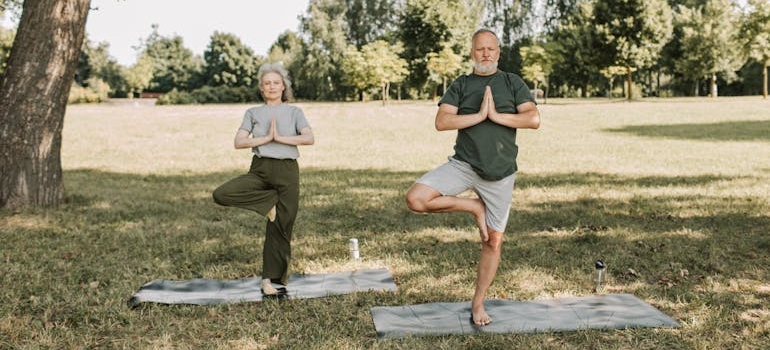
3. Stress and Lifestyle Management
Chronic stress can make pain worse and slow down recovery. A well-rounded approach to treatment often includes the following:
- Mindfulness and relaxation techniques to calm the nervous system
- Sleep therapy to restore rest and support healing
- Tailored exercise programs to increase mobility without exacerbating pain
- Breathing and grounding strategies to manage flare-ups during stressful moments
4. Support and Community
Having a strong support system can really make a difference in how people cope with challenges. Participating in group therapy, joining peer support groups, or engaging in community programs allows individuals to share their experiences and learn from one another. This sense of connection can help reduce feelings of loneliness and can lessen the feelings of sadness or worry that often come with long-term pain.
When to Seek Help
If you’re dealing with chronic pain that lasts for more than three months, it might be time to get some professional help, especially if it’s starting to affect your mood, sleep, or daily life. Here are some signs that you should consider seeking support:
- Feeling sad often, losing interest in things you used to enjoy, or feeling hopeless
- Experiencing worrying thoughts, panic, or increased anxiety
- Having trouble sleeping, changes in appetite, or finding it hard to concentrate
- Relying on drugs or medication to manage your pain
For individuals experiencing these symptoms, seeking care at a depression treatment center can provide structured support. These centers offer structured support that usually includes therapy, coping strategies, and changes to your daily habits, all aimed at managing feelings of sadness while also addressing how chronic pain affects you emotionally. Getting help early can improve your daily life and overall happiness.
Seeing specialists can help you break the connection between chronic pain and mental health problems, leading to a clearer path toward feeling better, functioning well, and making a lasting recovery.

Finding Relief and Hope
Dealing with ongoing pain and emotional struggles can be really tough, but there are ways to get help and find relief. Approaches that address both chronic pain and mental health together can help restore balance in your life, improve how you go about your daily routines, and overall make your life more enjoyable.
The journey to feeling better begins with a simple step: reaching out for help, developing healthy coping mechanisms, and finding support from others. With the right guidance and a bit of effort, it’s possible to take back control, lessen the pain, and work towards a happier, more comfortable future.