
Introduction
Bipolar disorder presents a complex mental health challenge, with paranoia emerging as one of its more distressing symptoms. Individuals grappling with bipolar paranoia often experience intense feelings of suspicion and mistrust, which can significantly disrupt their relationships and daily functioning. This article explores the nuances of bipolar paranoia, examining its symptoms, triggers, and effective support strategies.
How can caregivers and loved ones navigate the challenges posed by these paranoid behaviors? What proactive steps can be taken to foster understanding and healing? By addressing these questions, we aim to provide clarity and actionable insights for those affected.
Define Paranoia in the Context of Bipolar Disorder
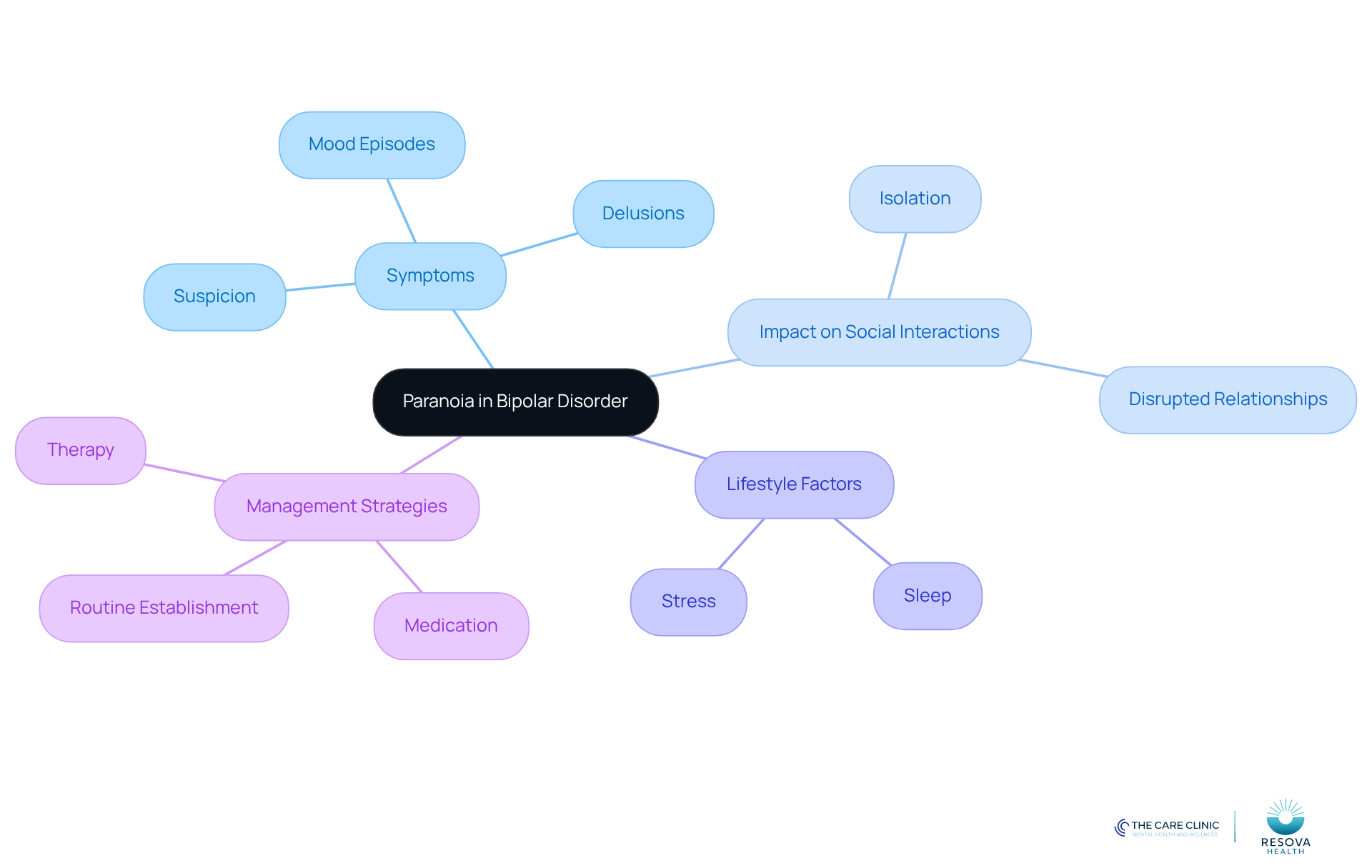
Bipolar paranoia in mood instability manifests as intense, irrational feelings of suspicion and mistrust, often surfacing during manic or depressive episodes. Individuals may experience delusions, such as believing that others are conspiring against them or that they are under constant surveillance. These symptoms can severely disrupt social interactions and daily functioning, leading to feelings of isolation and distress.
Studies indicate that approximately 60% of individuals with mood instability have encountered psychotic symptoms, including delusions, at some point in their lives. Identifying these indicators is crucial for effective management and support, as unaddressed anxiety can exacerbate the challenges faced by those living with mood instability.
Recent definitions from mental health experts highlight that while distrust is not an official symptom of manic-depressive illness, it frequently arises during manic episodes, characterized by heightened alertness and defensiveness. Addressing anxiety linked to bipolar paranoia requires a focus on the underlying condition. Understanding the nuances of anxiety in this context is vital for developing tailored treatment strategies that cater to both the psychological and emotional needs of affected individuals.
Moreover, lifestyle factors such as inadequate sleep and significant stress can trigger feelings of distrust, making it essential to consider these elements in management strategies. By recognizing and addressing these factors, clinicians can foster a more supportive environment for individuals navigating mood instability.
Explore the Spectrum of Paranoid Behaviors
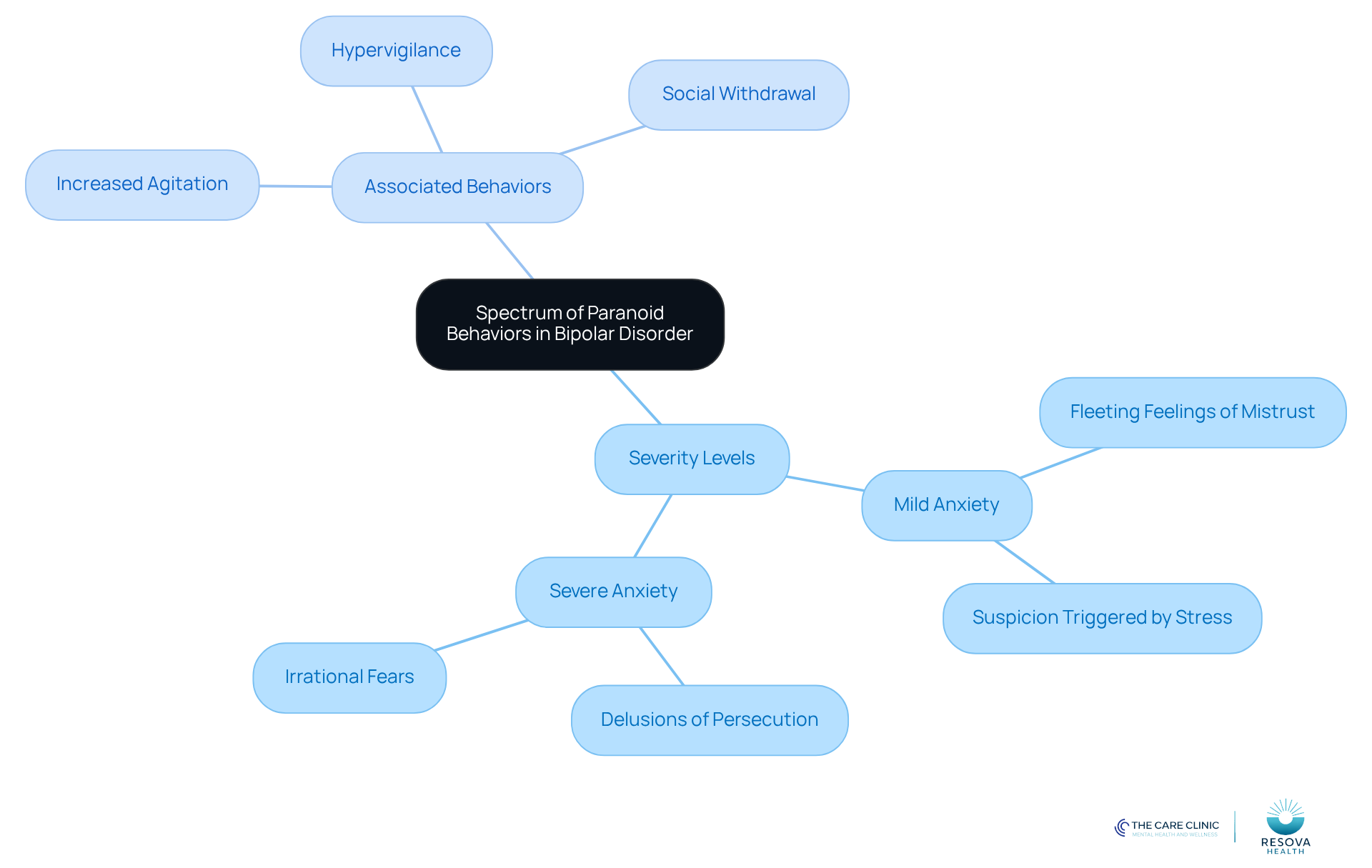
Paranoid behaviors in bipolar paranoia exist on a spectrum, ranging from mild to severe. Mild anxiety may manifest as fleeting feelings of mistrust or suspicion, often triggered by stress or external pressures. In contrast, intense anxiety can escalate to delusions of persecution, where individuals believe they are being monitored or targeted. Common behaviors associated with this spectrum include hypervigilance, social withdrawal, and increased agitation.
Research indicates that approximately one-third of individuals with bipolar disorder may experience bipolar paranoia, which includes feelings of persecution or delusional beliefs at some point in their lives. For instance, during manic episodes, individuals may exhibit bipolar paranoia, displaying heightened sensitivity to perceived threats, which can lead to irrational fears and social isolation. A case study illustrates this: a patient, during a manic phase, developed intense distrust towards friends and family, interpreting benign actions as conspiratorial.
Understanding these behaviors is crucial for timely intervention. While mild anxiety may not necessitate immediate treatment, severe levels can significantly impair daily functioning and relationships. Effective management often requires a combination of medication, therapy, and lifestyle adjustments. Cognitive behavioral therapy (CBT) can be particularly beneficial in helping individuals reframe distressing thoughts.
Creating a nurturing atmosphere for those experiencing fear is essential. This approach acknowledges their reality while guiding them toward treatment. By identifying the signals and understanding the triggers, caregivers and loved ones can provide the necessary support to help individuals manage their experiences with anxiety in mood disorders.
Identify Triggers and Contributing Factors of Paranoia
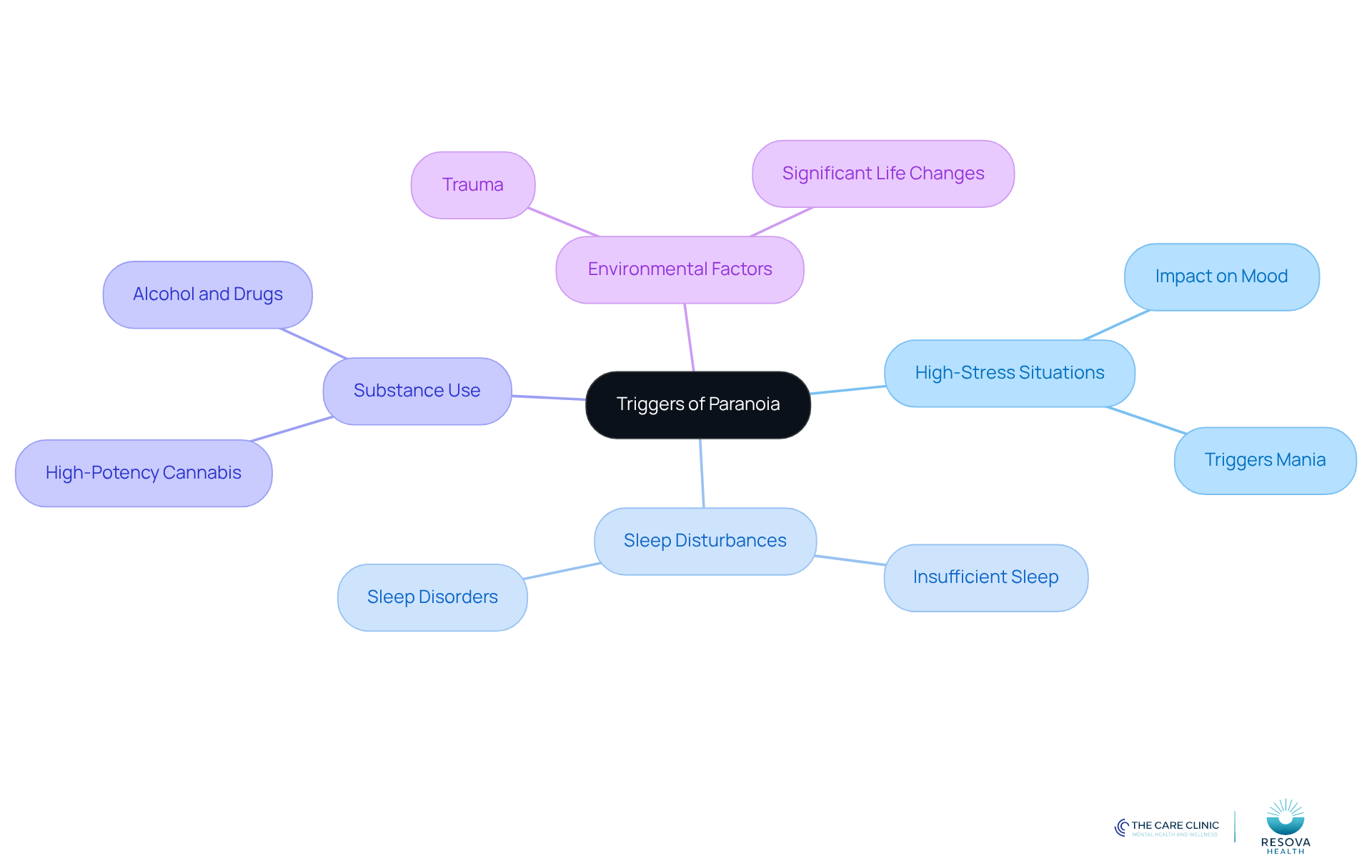
- High-stress situations
- Sleep disturbances
- Substance use
- Environmental factors, including trauma or significant life changes
Understanding these triggers is crucial for effective treatment. At Resova Health, we recognize that identifying these factors is a vital step in our personalized treatment plans. By working closely with our mental health experts, individuals can develop strategies to manage their symptoms effectively.
Our comprehensive mental health services include innovative approaches, such as ketamine infusions, which have shown particular promise for those facing mood disorders. We are dedicated to providing accessible and compassionate care tailored to each person’s unique needs.
By focusing on these insights, we aim to restore balance between precision and empathy in mental health care. Here’s how to approach this:
- Identify triggers
- Understand their impact
- Act with informed strategies
Implement Treatment Strategies for Bipolar Paranoia
Delusions associated with bipolar paranoia present significant challenges for both patients and clinicians. These delusions can lead to distress and hinder effective treatment. Understanding the complexities behind symptoms such as bipolar paranoia is crucial for developing effective strategies.
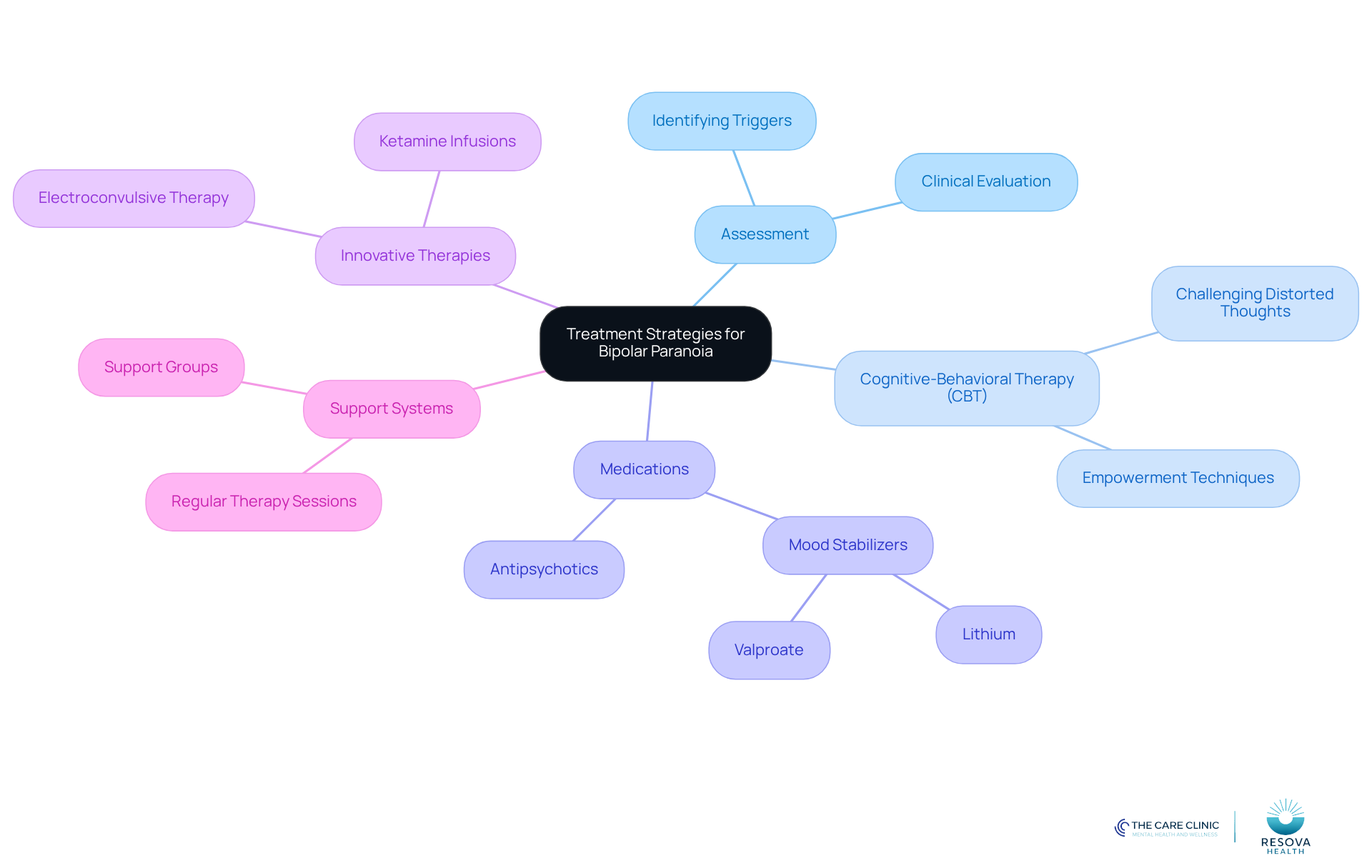
At Resova Health, we employ evidence-based treatment strategies to address these challenges. Cognitive-behavioral therapy (CBT) plays a vital role in helping individuals challenge and reframe distorted thoughts. This approach not only aids in symptom management but also empowers patients to regain control over their mental health.
In addition to CBT, our clinic offers personalized treatment plans that may include medications such as mood stabilizers and antipsychotics to address issues like bipolar paranoia. These medications are carefully selected to manage symptoms effectively, ensuring a comprehensive approach to care.
We also provide innovative therapies, including ketamine infusions, which have shown promise in addressing complex mood disorders. This cutting-edge treatment option can be a game-changer for those who have not responded to traditional therapies.
Regular therapy sessions and support groups at Resova Health ensure ongoing support and coping strategies. These resources enhance overall mental health and well-being, fostering a sense of community and understanding among patients.
By focusing on a combination of therapy, medication, and innovative treatments, we aim to restore balance and promote healing in our patients. Here’s how to approach this:
- Prioritize evidence-based care
- Engage with patients empathetically
- Remain open to new treatment modalities
Support Loved Ones Experiencing Paranoia
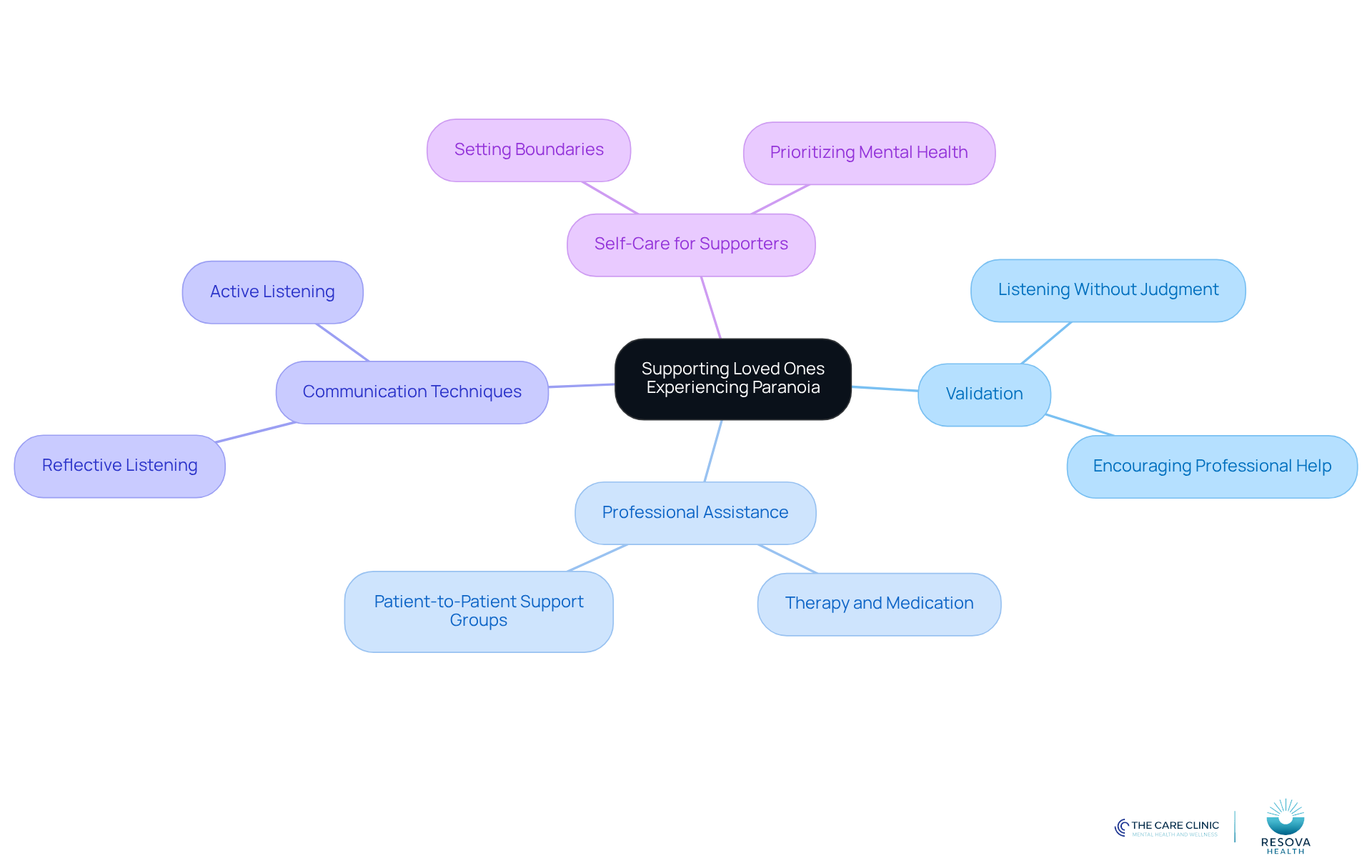
Supporting a loved one who is experiencing bipolar paranoia due to mood disorders presents a significant challenge. This issue affects not only the individual but also their family and friends, creating emotional strain and confusion. At Resova Health, we recognize the importance of fostering a welcoming, non-judgmental atmosphere where individuals feel secure to share their emotions.
Validating their experiences without endorsing paranoid beliefs is essential. This approach helps loved ones feel heard while maintaining a realistic perspective. Encouraging them to seek professional assistance is vital, especially considering that mood instability impacts approximately 5.7 million adult Americans. Tailored treatment plans are crucial for effective support. Therapy and medication play key roles in managing mood disorders and their associated fears. At Resova Health, we are committed to providing compassionate care customized to each person’s needs, ensuring ongoing support beyond the initial appointment.
Establishing clear boundaries is also important. The emotional toll of assisting someone with delusions can be considerable. Prioritizing your own mental health is essential to provide the necessary support without becoming overwhelmed. Techniques such as reflective listening – where you paraphrase what your loved one has said to demonstrate understanding – can enhance communication and build trust.
Real-life examples illustrate effective support strategies. For instance, participation in a patient-to-patient support group has been shown to improve treatment compliance by nearly 86%, highlighting the value of shared experiences. Mental health professionals emphasize the importance of active listening, which can help individuals feel more connected and less isolated in the context of bipolar paranoia. According to the DBSA, consumers who report high levels of satisfaction with their treatment and provider tend to have a more positive outlook on their illness. By employing these strategies, you can play a pivotal role in your loved one’s journey toward stability and wellness, supported by the comprehensive care offered at Resova Health, where we accept insurance to facilitate access to our services.
Conclusion
Bipolar paranoia represents a significant challenge, intertwining mood instability with irrational feelings of suspicion. This condition can profoundly impact an individual’s daily life and relationships. Understanding bipolar paranoia is essential for both those affected and their support systems. By addressing symptoms, triggers, and effective management strategies, individuals can navigate the complexities of this condition and work towards improved mental health.
Key insights reveal the multifaceted nature of bipolar paranoia. Symptoms often include delusions and heightened sensitivity during mood episodes. Identifying triggers, such as stress and sleep disturbances, is crucial for effective treatment. Tailored strategies, including cognitive-behavioral therapy and medication, can enhance the quality of life for those affected. Additionally, fostering a supportive environment is vital for promoting understanding and effective communication.
Addressing bipolar paranoia requires a comprehensive approach that combines awareness, empathy, and evidence-based treatment. Recognizing the complexities involved and actively seeking support can help individuals and their loved ones cultivate resilience and hope. Encouraging open dialogues about mental health, advocating for personalized treatment plans, and prioritizing self-care can pave the way for a more supportive community, ensuring that no one faces this journey alone.
Frequently Asked Questions
What is paranoia in the context of bipolar disorder?
Paranoia in bipolar disorder manifests as intense, irrational feelings of suspicion and mistrust, often occurring during manic or depressive episodes. Individuals may experience delusions, such as believing that others are conspiring against them or that they are under constant surveillance.
How common are psychotic symptoms in individuals with mood instability?
Studies indicate that approximately 60% of individuals with mood instability have encountered psychotic symptoms, including delusions, at some point in their lives.
What factors can trigger feelings of distrust in individuals with bipolar disorder?
Lifestyle factors such as inadequate sleep and significant stress can trigger feelings of distrust, making it essential to consider these elements in management strategies.
How do paranoid behaviors in bipolar disorder vary?
Paranoid behaviors exist on a spectrum, ranging from mild feelings of mistrust or suspicion to severe delusions of persecution, where individuals believe they are being monitored or targeted.
What percentage of individuals with bipolar disorder may experience bipolar paranoia?
Research indicates that approximately one-third of individuals with bipolar disorder may experience bipolar paranoia at some point in their lives.
What are some common behaviors associated with bipolar paranoia?
Common behaviors include hypervigilance, social withdrawal, and increased agitation, particularly during manic episodes when individuals may exhibit heightened sensitivity to perceived threats.
What strategies are effective in managing bipolar paranoia?
Effective management often requires a combination of medication, therapy, and lifestyle adjustments. Cognitive behavioral therapy (CBT) can be particularly beneficial in helping individuals reframe distressing thoughts.
Why is it important to understand and address paranoia in bipolar disorder?
Understanding these behaviors is crucial for timely intervention, as severe levels of paranoia can significantly impair daily functioning and relationships. A nurturing atmosphere can help individuals manage their experiences with anxiety in mood disorders.
List of Sources
- Define Paranoia in the Context of Bipolar Disorder
- Bipolar disorder and paranoia: The link and getting help (https://medicalnewstoday.com/articles/bipolar-paranoia)
- Bipolar Paranoia: Symptoms, Treatment, and More (https://healthline.com/health/bipolar/bipolar-paranoia)
- Bipolar Disorder Paranoia Explained (https://resources.healthgrades.com/right-care/bipolar-disorder/bipolar-disorder-paranoia)
- Explore the Spectrum of Paranoid Behaviors
- 7 Things to Know About Paranoia in Bipolar Disorder | bpHope.com (https://bphope.com/bipolar-buzz/4-things-to-know-about-paranoia-in-bipolar-disorder)
- Bipolar disorder and paranoia: The link and getting help (https://medicalnewstoday.com/articles/bipolar-paranoia)
- Quotes About Bipolar Disorder: You’re Not Alone (https://psychcentral.com/bipolar/bipolar-disorder-quotes)
- 17 Quotes Illustrating Life with Bipolar Disorder (https://ybgr.org/17-quotes-illustrating-life-with-bipolar-disorder)
- Identify Triggers and Contributing Factors of Paranoia
- Bipolar disorder and paranoia: The link and getting help (https://medicalnewstoday.com/articles/bipolar-paranoia)
- Bipolar Disorder News (https://sciencedaily.com/news/mind_brain/bipolar_disorder)
- Bipolar Paranoia: Symptoms, Treatment, and More (https://healthline.com/health/bipolar/bipolar-paranoia)
- Implement Treatment Strategies for Bipolar Paranoia
- Bipolar disorder and paranoia: The link and getting help (https://medicalnewstoday.com/articles/bipolar-paranoia)
- Bipolar Paranoia: Symptoms, Treatment, and More (https://healthline.com/health/bipolar/bipolar-paranoia)
- Therapy plus medication better than medication alone in bipolar disorder (https://uclahealth.org/news/release/therapy-plus-medication-better-than-medication-alone-in-bipolar-disorder)
- Support Loved Ones Experiencing Paranoia
- Bipolar disorder and paranoia: The link and getting help (https://medicalnewstoday.com/articles/bipolar-paranoia)
- Bipolar Disorder Statistics – Depression and Bipolar Support Alliance (https://dbsalliance.org/education/bipolar-disorder/bipolar-disorder-statistics)
- 5 Things to Know for Supporting a Loved One Living with Bipolar Disorder (https://mentalhealthfirstaid.org/news/5-ways-to-support-a-loved-one-living-with-bipolar-disorder)