
Introduction
Understanding bipolar disorder involves more than just a clinical definition; it requires a thoughtful examination of the stereotypes and misconceptions that shape public perception. With around 46 million individuals affected globally, the consequences of these misunderstandings can be significant, often resulting in social rejection and discrimination.
How can society shift its narrative from stigma to empathy and support for those living with bipolar disorder? This question highlights the critical role that education and awareness play in dismantling harmful stereotypes and nurturing a more compassionate understanding of mental health.
Before moving forward, consider the biological and psychological factors that contribute to these misconceptions. By addressing the root causes, we can begin to reshape the conversation around bipolar disorder, promoting a more informed and empathetic approach.
Here’s how to approach this:
- Identify the misconceptions that persist in society.
- Understand the impact these have on individuals and their families.
- Act by advocating for education and awareness initiatives that foster understanding and support.
Define Bipolar Disorder: Key Characteristics and Symptoms
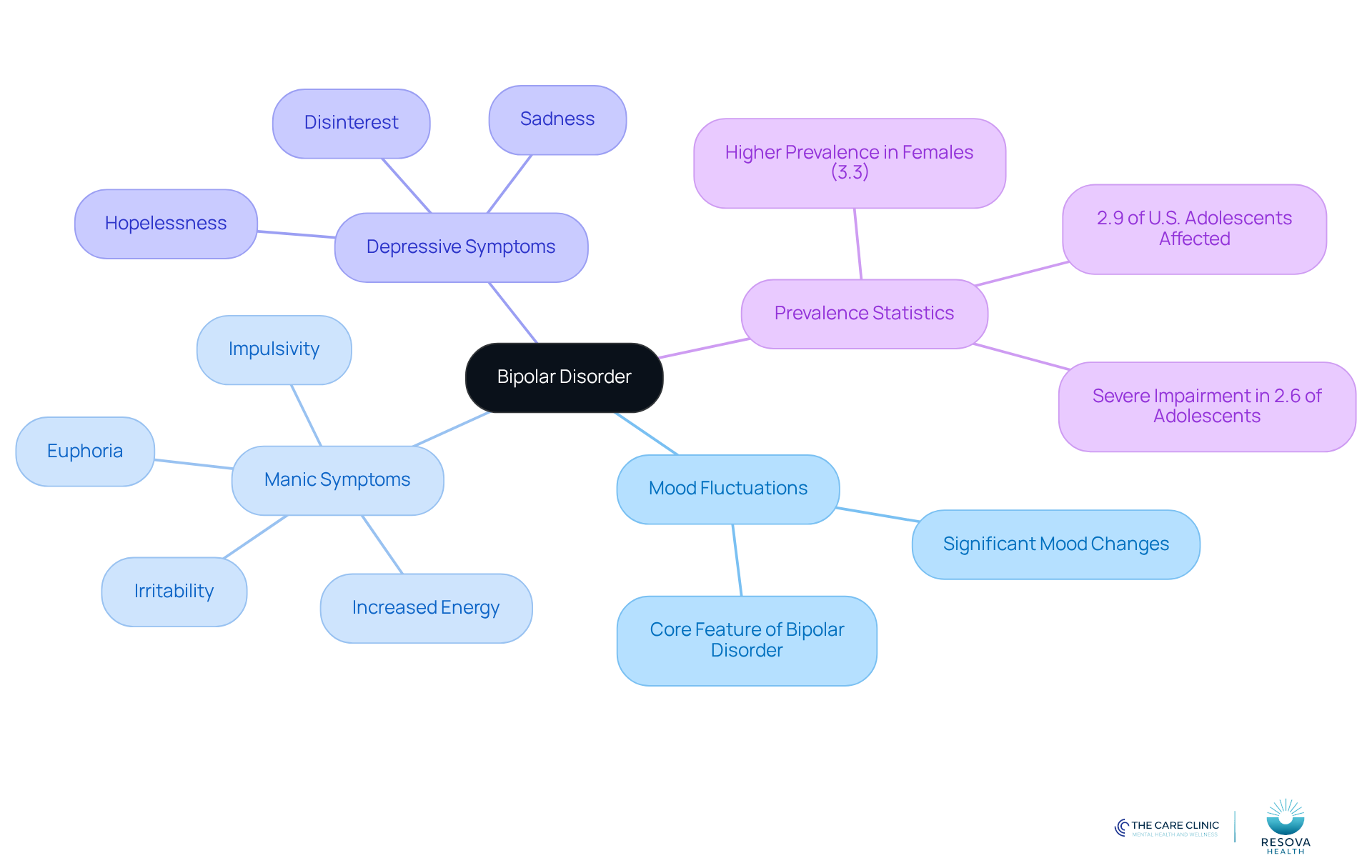
Bipolar disorder, formerly known as manic-depressive illness, is a mental health condition marked by notable mood swings, including emotional highs (mania or hypomania) and lows (depression). During manic episodes, individuals may experience increased energy, euphoria, irritability, and impulsive actions. Conversely, depressive phases can bring about profound sadness, hopelessness, and a disinterest in daily activities. Key symptoms often include changes in sleep patterns, energy levels, and cognitive clarity.
Recent studies indicate that approximately 2.9% of U.S. teenagers aged 13-18 are affected by mood instability, with 2.6% facing significant challenges. Understanding these characteristics is crucial for dispelling stereotypes about bipolar disorder and fostering empathy for those affected. Mental health professionals stress the importance of recognizing mood instability as a core feature of bipolar disorder, which can manifest even outside major mood episodes.
This nuanced understanding is vital for accurate diagnosis and treatment, ultimately improving the quality of life for individuals living with this condition. At Resova Health, we provide personalized online mental health counseling that is both accessible and compassionate, ensuring that each person receives the support they need for lasting wellness. We accept insurance and offer a patient portal for your convenience.
Identify Common Myths: Misconceptions About Bipolar Disorder
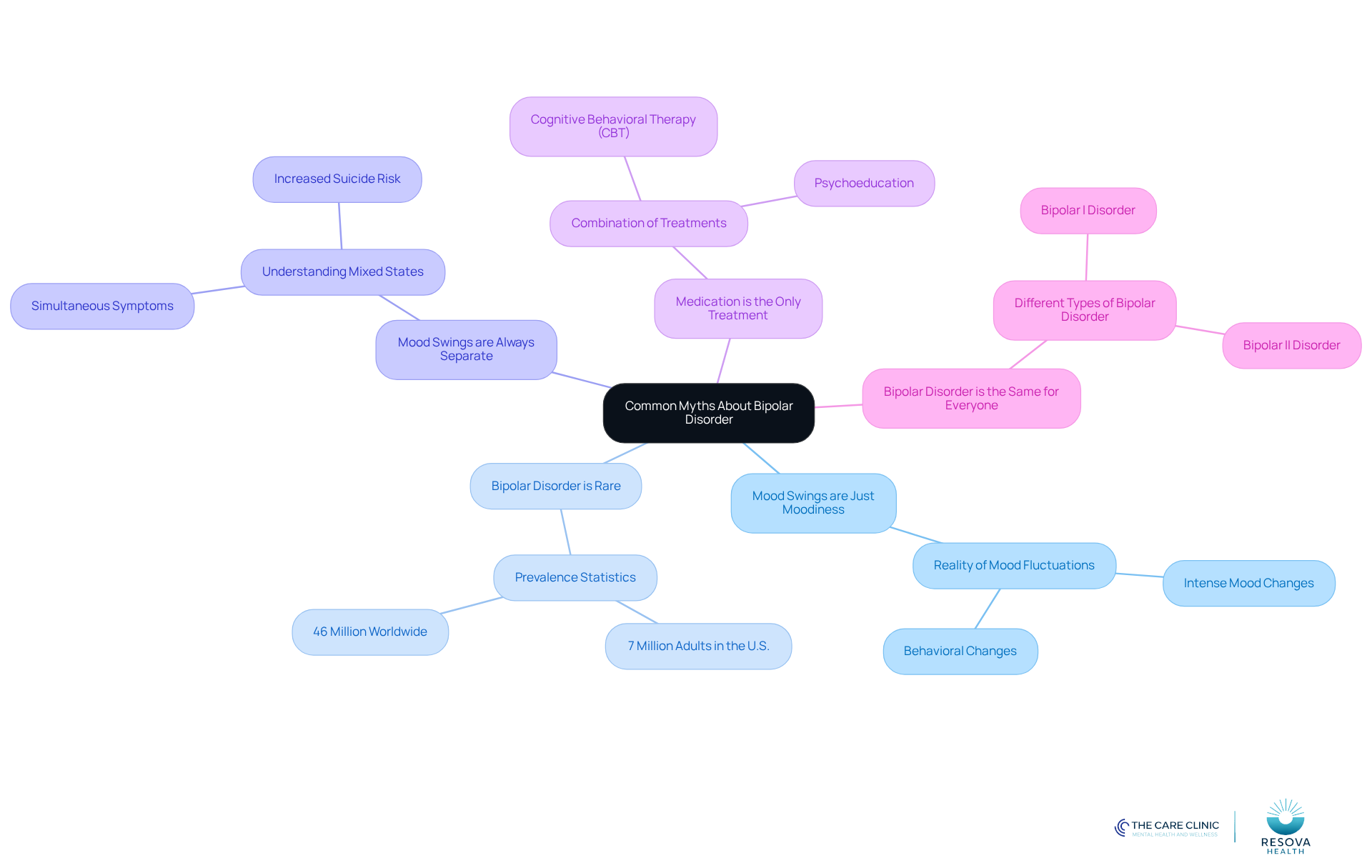
Common misconceptions about manic-depressive illness are often rooted in stereotypes about bipolar disorder, including the belief that individuals with this condition are merely ‘moody’ or that they can easily control their mood swings. In reality, this illness affects approximately 7 million adults in the United States and is characterized by intense mood fluctuations that can be debilitating.
Another prevalent misconception is that this mental health condition is rare; however, it impacts around 46 million individuals worldwide, highlighting its significant presence. These misunderstandings can lead to discrimination and social rejection, reinforcing stereotypes about bipolar disorder that undermine the seriousness of the condition.
For instance, many people mistakenly believe that individuals with mood swings can only experience mania or depression at a single moment, overlooking the reality of mixed states where both symptoms may occur simultaneously.
By addressing these myths, we can foster a more informed and compassionate understanding of mood instability. This approach ultimately supports those affected in their journey toward wellness, emphasizing the importance of empathy and accurate information in mental health care.
Examine the Origins of Stigma: Societal Influences on Perceptions
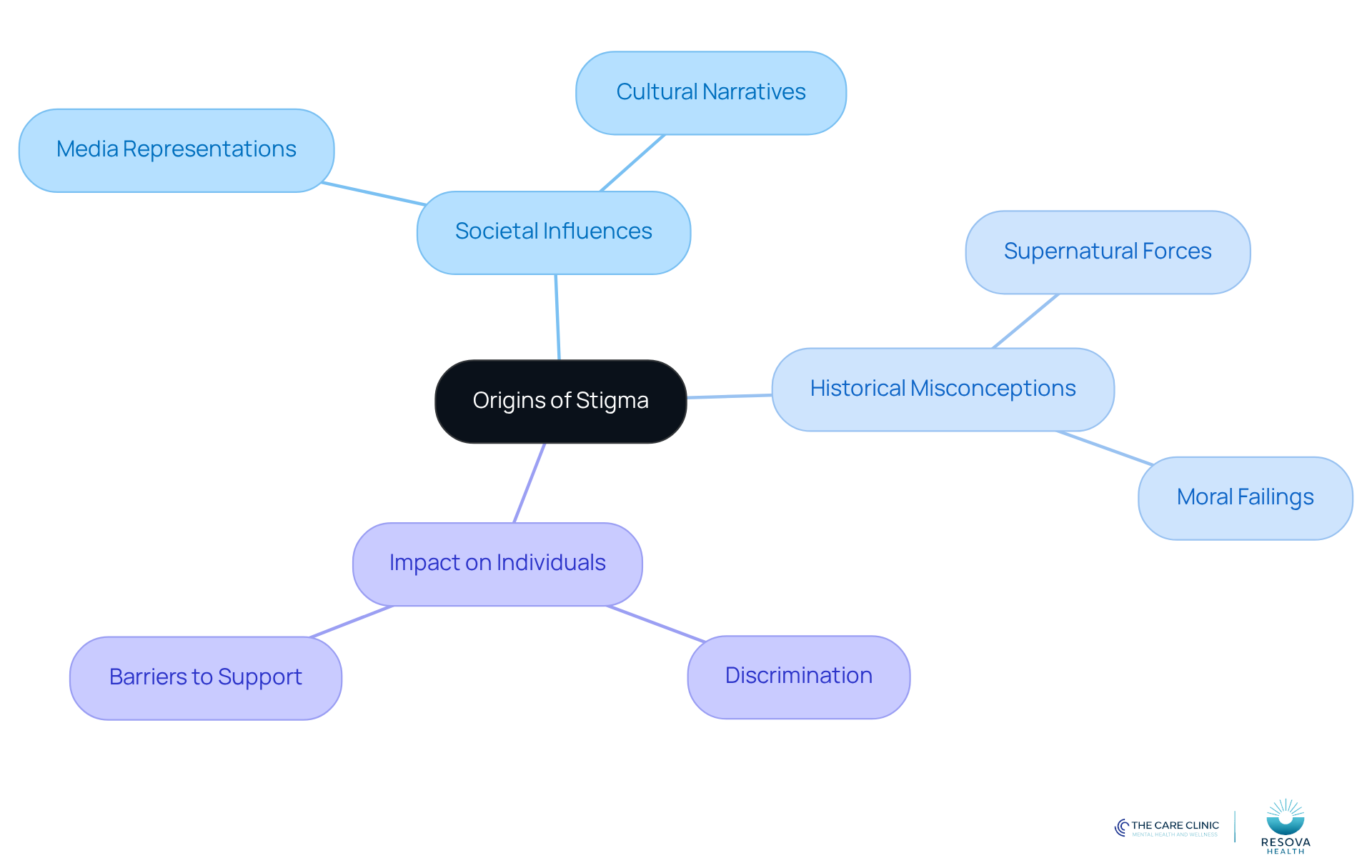
The stigma surrounding manic-depressive illness is significantly influenced by stereotypes about bipolar disorder, presenting a clinical challenge that is deeply rooted in historical misconceptions and societal fears about mental health. This issue has real-world implications, as many individuals with mood disorders face discrimination, which can hinder their access to essential support and foster feelings of shame and isolation.
Historically, mental health issues were often attributed to supernatural forces or perceived as moral failings. These misconceptions laid the groundwork for enduring negative perceptions. Media representations and cultural narratives have perpetuated stereotypes about bipolar disorder, resulting in widespread misunderstandings about the condition. For instance, approximately 71.6% of individuals living with mood disorders report experiencing discrimination, which not only affects their personal well-being but also contributes to broader societal challenges, including barriers to employment, education, and social inclusion.
Recent discussions, particularly in light of World Bipolar Day 2025’s theme ‘Bipolar Strong,’ highlight the urgent need to transform the narrative from stigma to empowerment. By fostering open dialogue and understanding, we can address these societal influences and work towards a more compassionate and informed approach to mental health care.
Next step in treatment:
- Encourage open conversations about mental health.
- Promote awareness and education to dismantle stigma.
- Support initiatives that empower individuals with mood disorders.
By focusing on these actionable insights, we can restore balance between precision and empathy in mental health care, ultimately enhancing the quality of life for those affected.
Assess the Impact of Stereotypes: Consequences for Individuals
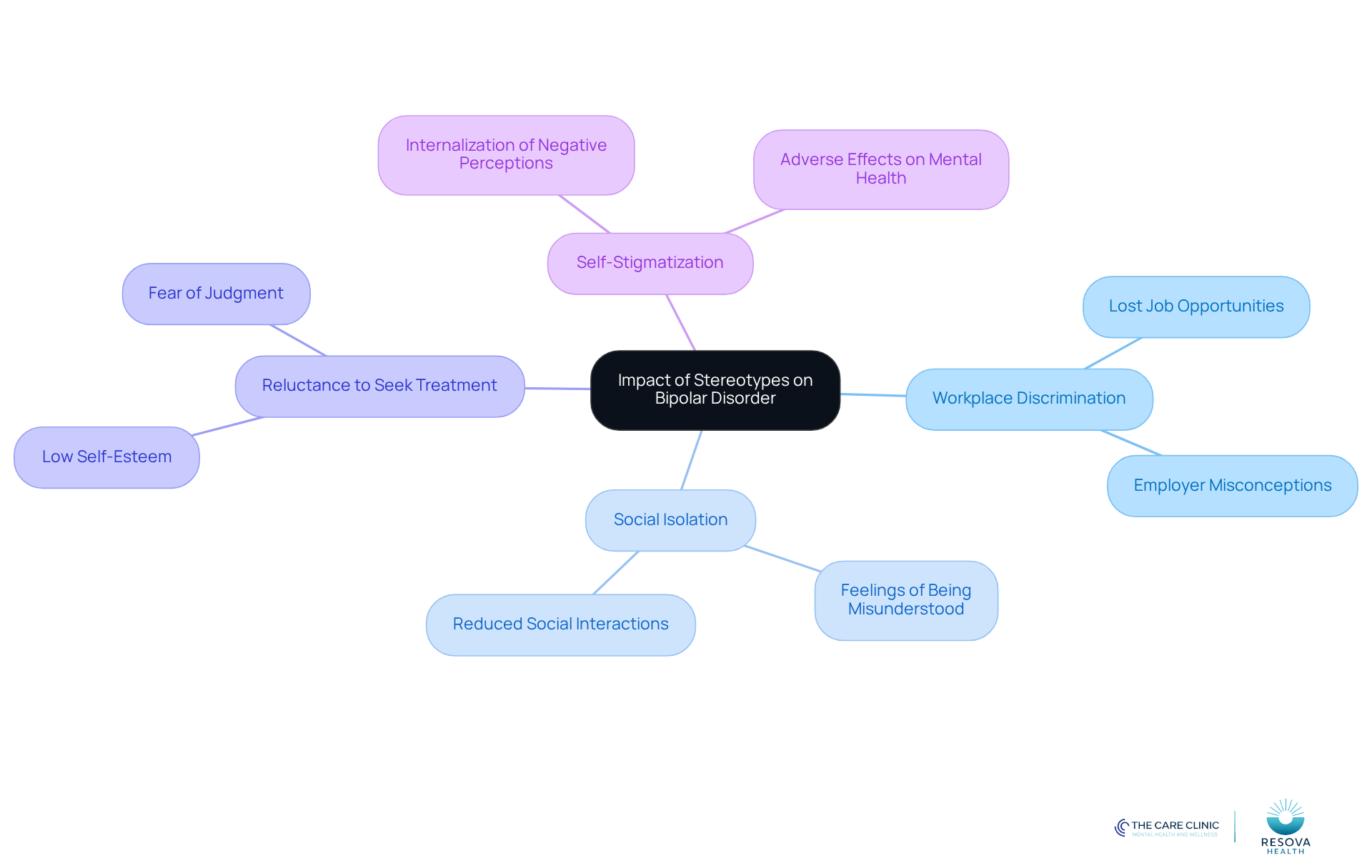
Stereotypes about bipolar disorder surrounding mood instability pose significant challenges, resulting in workplace discrimination, social isolation, and reluctance to seek necessary treatment. Many individuals with bipolar disorder express feelings of being misunderstood and judged, which can exacerbate their symptoms and impede recovery. The internalization of negative perceptions often results in self-stigmatization, where individuals start to accept stereotypes about bipolar disorder as truths about themselves, adversely affecting their mental health and overall well-being.
Research shows that negative perceptions can significantly hinder individuals from pursuing treatment due to fears of judgment from healthcare providers and society. For example, a study revealed that remitted BPAD patients reported low self-esteem and diminished quality of life, as assessed by the Rosenberg Self-Esteem Scale and WHO Quality of Life Scale. This negative perception not only affects their willingness to seek help but also shapes their interactions with others, leading to further isolation.
Real-world examples of bias faced by those with mood instability include challenges in securing employment, where potential employers may harbor misconceptions about the condition. Such biases can result in lost job opportunities, reinforcing feelings of inadequacy and hopelessness. Additionally, caregivers of individuals with mood fluctuations often experience significant affiliate and courtesy shame, which correlates with reduced income and less time available for caregiving, further complicating their emotional health and coping strategies.
The repercussions of social disapproval extend beyond the individual, impacting societal perceptions where stereotypes about bipolar disorder perpetuate a cycle of misunderstanding and discrimination. Addressing stereotypes about bipolar disorder through education and advocacy is essential for creating a more supportive environment for individuals seeking help and understanding.
Explore Solutions: Combating Stigma and Promoting Understanding
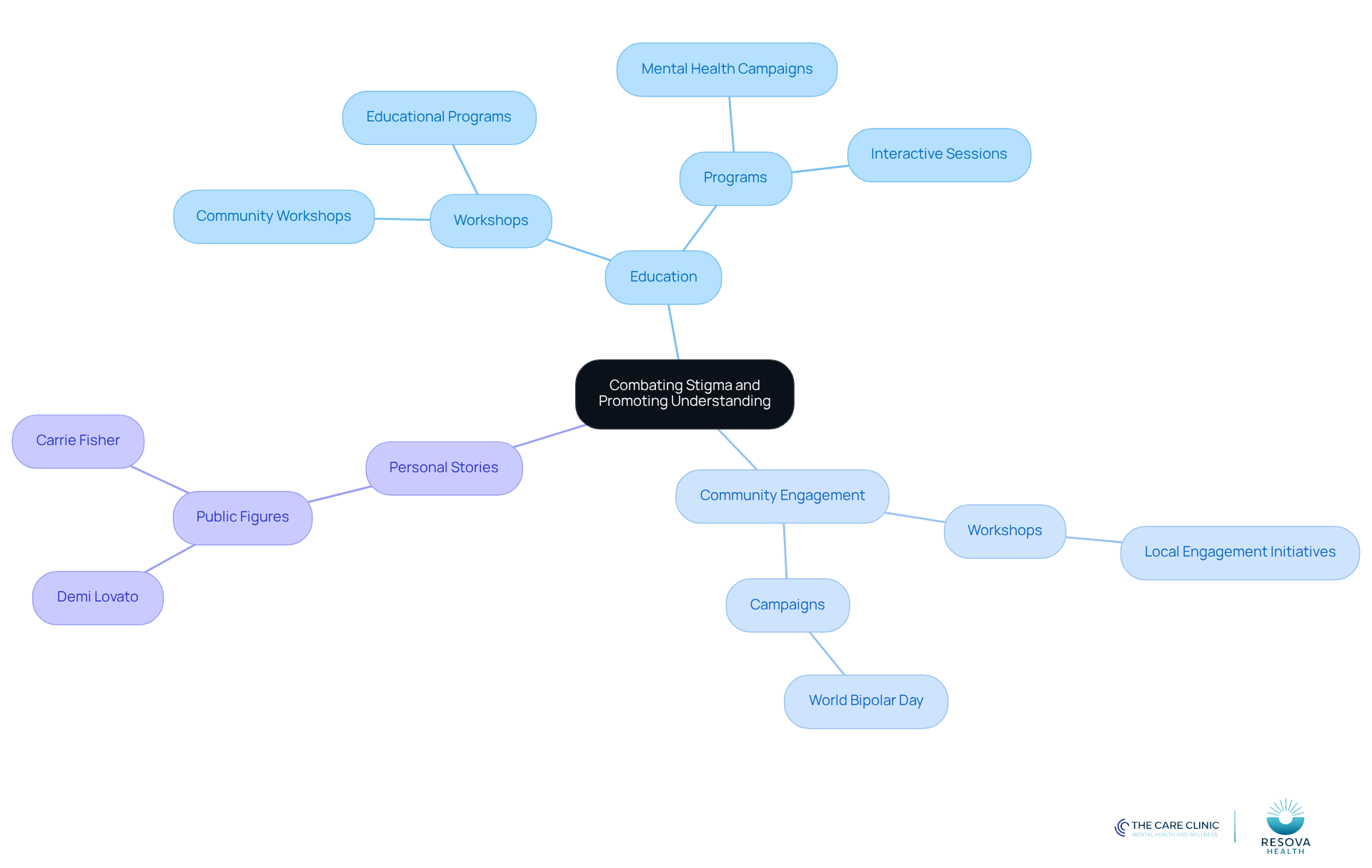
Addressing the stigma surrounding mood instability is essential for fostering understanding and support. This stigma can lead to isolation and misunderstanding for those affected. Education plays a crucial role in dispelling stereotypes about bipolar disorder, emphasizing the need for community engagement and awareness.
Community workshops and mental health campaigns have proven effective in this regard. For instance, initiatives launched in 2025 focused on engaging local populations through interactive sessions that highlight the experiences of individuals with bipolar disorder. These programs not only educate but also encourage open dialogues, creating a supportive environment for those affected.
Sharing personal stories serves as a powerful tool in humanizing mood conditions. It allows individuals to connect on a deeper level, fostering empathy and understanding. Mental health advocates stress that such initiatives can significantly reduce stigma. Public figures like Demi Lovato and Carrie Fisher have openly shared their experiences, illustrating that many individuals with mood disorders can lead fulfilling lives with appropriate treatment and support.
Moreover, educational programs that delve into the complexities of mood fluctuations are essential for addressing stereotypes about bipolar disorder and have shown promising results. Case studies indicate that participants in these workshops often report increased awareness and a reduction in stereotypes about bipolar disorder. By continuing to promote understanding through these initiatives, we pave the way for a future where individuals with bipolar disorder receive empathy and support rather than judgment.
Conclusion
Understanding bipolar disorder requires recognizing its complexities and the stereotypes that often accompany it. By dismantling these misconceptions, we can foster a more compassionate and informed perspective, ultimately leading to better support for those affected. Addressing the stigma surrounding this condition is crucial, as it can create significant barriers to treatment and social acceptance.
Key insights include:
- The definition and symptoms of bipolar disorder
- The prevalence of common myths
- The societal influences that perpetuate stigma
The impact of these stereotypes can be profound, resulting in discrimination, social isolation, and a reluctance to seek necessary help. Actionable steps, such as community engagement and education, are essential to combat stigma and promote understanding of bipolar disorder.
Fostering empathy and accurate information is vital for creating a supportive environment for individuals with bipolar disorder. Encouraging open dialogues and sharing personal experiences can help shift the narrative from one of stigma to one of empowerment and acceptance. Addressing these issues is not merely an academic exercise; it is a crucial step toward improving the lives of millions affected by this condition.
Frequently Asked Questions
What is bipolar disorder?
Bipolar disorder, formerly known as manic-depressive illness, is a mental health condition characterized by significant mood swings, including emotional highs (mania or hypomania) and lows (depression).
What are the key symptoms of bipolar disorder?
Key symptoms include notable mood fluctuations, changes in sleep patterns, increased energy, euphoria, irritability during manic episodes, and profound sadness, hopelessness, and disinterest in daily activities during depressive phases.
How common is bipolar disorder among teenagers?
Approximately 2.9% of U.S. teenagers aged 13-18 experience mood instability, with 2.6% facing significant challenges related to it.
What misconceptions exist about bipolar disorder?
Common misconceptions include the belief that individuals with bipolar disorder are simply ‘moody’ or can easily control their mood swings. Additionally, many think that the condition is rare, while it affects around 46 million individuals worldwide.
What are mixed states in bipolar disorder?
Mixed states refer to episodes where individuals experience symptoms of both mania and depression simultaneously, which is often overlooked in common understandings of the condition.
Why is it important to address myths about bipolar disorder?
Addressing these myths fosters a more informed and compassionate understanding of mood instability, which can help reduce discrimination and social rejection, ultimately supporting those affected in their journey toward wellness.
How can individuals receive support for bipolar disorder?
Individuals can seek personalized online mental health counseling, which is accessible and compassionate. Services like Resova Health provide support and accept insurance, along with a patient portal for convenience.
List of Sources
- Define Bipolar Disorder: Key Characteristics and Symptoms
- Bipolar Disorder (https://nimh.nih.gov/health/statistics/bipolar-disorder)
- New Research Underlines the Importance of Recognizing Mood Instability Between ‘Major Episodes’ in Bipolar Disorder | Brain & Behavior Research Foundation (https://bbrfoundation.org/content/new-research-underlines-importance-recognizing-mood-instability-between-major-episodes)
- Shedding Light On Bipolar Disorder: Facts, Research and Support (https://news.cuanschutz.edu/news-stories/shedding-light-on-bipolar-disorder-facts-research-and-support)
- Bipolar disorder (https://who.int/news-room/fact-sheets/detail/bipolar-disorder)
- Identify Common Myths: Misconceptions About Bipolar Disorder
- Bipolar disorder: Myths vs. realities about the chronic mood swings | Mental Health | UT Southwestern Medical Center (https://utswmed.org/medblog/bipolar-myths-realities)
- {OG: Title} (https://nami.org/Blogs/NAMI-Blog/May-2021/Myths-and-Facts-of-Bipolar-Disorder)
- Bipolar Disorder: Debunking Myths and Misconceptions (https://mentalhealthfirstaid.org/news/bipolar-disorder-debunking-myths-and-misconceptions)
- Debunking Myths About Bipolar Disorder (https://activeminds.org/blog/debunking-myths-about-bipolar-disorder)
- Examine the Origins of Stigma: Societal Influences on Perceptions
- » World Bipolar Day: A conversation with Bill on living with bipolar disorder (https://cmha.ca/news/world-bipolar-day)
- Stigma in people living with bipolar disorder and their families: a systematic review – PMC (https://pmc.ncbi.nlm.nih.gov/articles/PMC9941403)
- Raising Awareness, Breaking Stigma, and Spreading Hope in the World Bipolar Day – Louis A. Faillace, MD, Department of Psychiatry and Behavioral Sciences (https://med.uth.edu/psychiatry/2025/03/30/raising-awareness-breaking-stigma-and-spreading-hope-in-the-world-bipolar-day)
- Bipolar disorder (https://who.int/news-room/fact-sheets/detail/bipolar-disorder)
- Global, regional and national burdens of bipolar disorders in adolescents and young adults: a trend analysis from 1990 to 2019 (https://gpsych.bmj.com/content/37/1/e101255)
- Assess the Impact of Stereotypes: Consequences for Individuals
- 17 Quotes Illustrating Life with Bipolar Disorder (https://ybgr.org/17-quotes-illustrating-life-with-bipolar-disorder)
- Bipolar disorder (https://who.int/news-room/fact-sheets/detail/bipolar-disorder)
- Stigma in Bipolar Affective Disorder: A Systematic Quantitative Literature Review of Indian Studies – Arghya Pal, Vrinda Saxena, Priyaranjan Avinash, 2021 (https://journals.sagepub.com/doi/10.1177/0253717621996618)
- 28 Inspiring Mental Health Quotes That Will Empower You (https://positivepsychology.com/mental-health-quotes)
- Explore Solutions: Combating Stigma and Promoting Understanding
- Raising Awareness, Breaking Stigma, and Spreading Hope in the World Bipolar Day – Louis A. Faillace, MD, Department of Psychiatry and Behavioral Sciences (https://med.uth.edu/psychiatry/2025/03/30/raising-awareness-breaking-stigma-and-spreading-hope-in-the-world-bipolar-day)
- World Bipolar Day: A New Treatment Approach Brings Hope | Metabolic Mind (https://metabolicmind.org/resources/news-views/blog/perspectives-in-metabolic-psychiatry/world-bipolar-day-a-new-treatment-approach-brings-hope)
- Living with Bipolar Disorder—Raising Awareness to Eliminate Stigma • Erie County Anti Stigma Coalition | Join The Conversation (https://letstalkstigma.org/march-2025-newsletter)