
Introduction
Understanding the dynamics of mania in bipolar disorder is crucial for effective treatment and patient care. Millions are affected annually, and recognizing the triggers and underlying causes of manic episodes can significantly enhance clinical outcomes. However, the challenge remains: how can clinicians accurately identify these factors to provide timely and tailored interventions?
This article delves into the biological, environmental, and genetic influences that contribute to mania, offering insights that could improve the approach to managing this complex condition. Here’s what’s happening: understanding these dynamics not only aids in diagnosis but also informs treatment strategies that are both precise and compassionate.
Next step in treatment: clinicians must engage with patients to explore these influences, fostering a collaborative environment that prioritizes understanding and care.
Define Mania in Bipolar Disorder
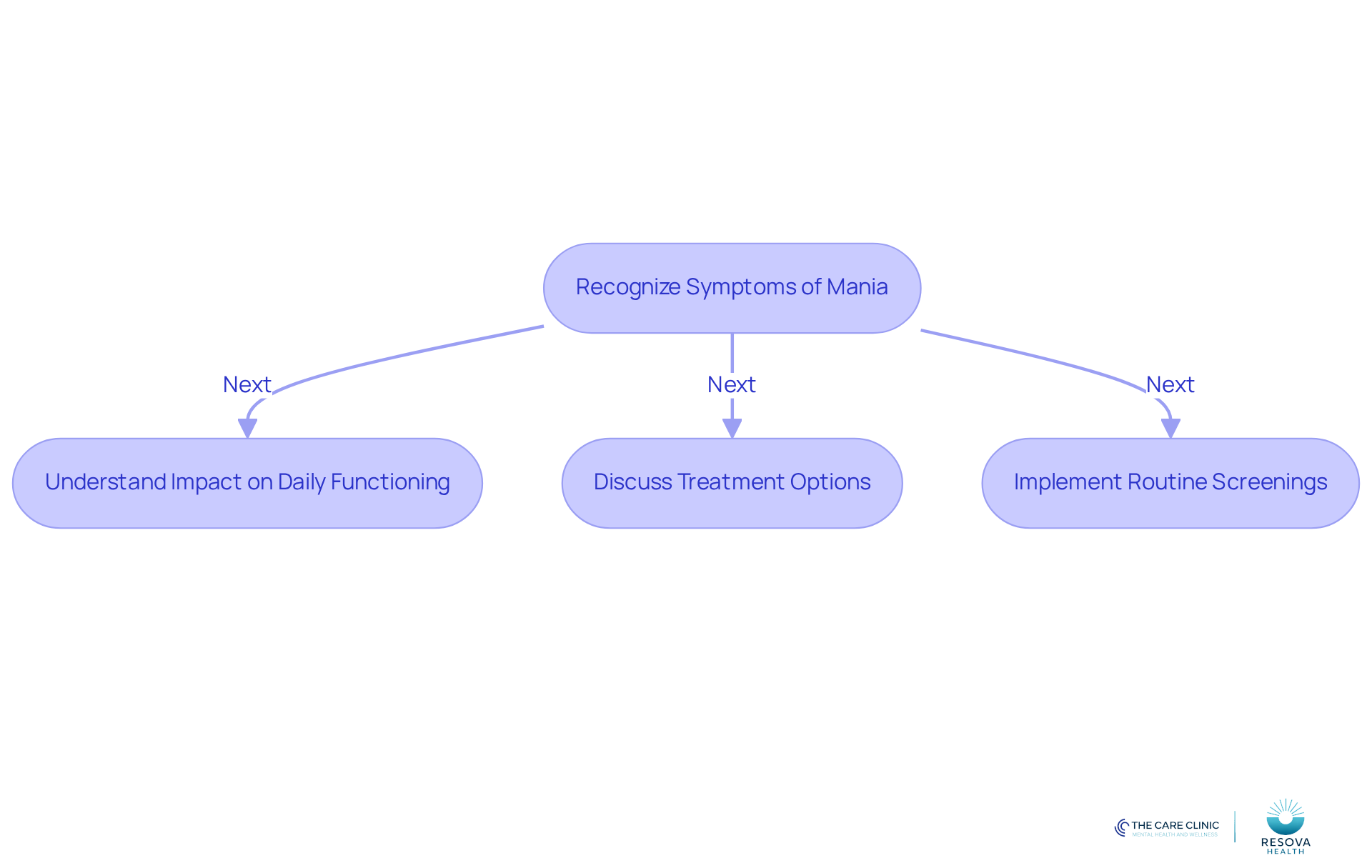
Mania presents a significant clinical challenge, and understanding what causes mania in bipolar is essential as it is characterized by abnormally heightened mood, energy, and activity levels. This condition is frequently observed in individuals with bipolar disorder and is often linked to what causes mania in bipolar, severely impairing daily functioning. Symptoms include increased energy, reduced need for sleep, racing thoughts, and impulsive behavior. A manic episode typically lasts for at least one week, during which individuals may exhibit grandiosity, engage in risky behaviors, and experience heightened creativity or productivity. For example, a person in a manic state might take on multiple projects simultaneously, believing they can accomplish everything effortlessly, often leading to burnout or negative consequences.
Understanding the prevalence of mood instability is crucial. Statistics indicate that approximately 5.7 million adult Americans, or about 2.6% of the U.S. population aged 18 and older, experience this condition annually. The median age of onset is around 25 years, with symptoms often appearing earlier in life. Notably, nearly 90% of individuals with mood instability express satisfaction with their current medications, despite ongoing concerns about side effects.
Recognizing what causes mania in bipolar is essential for understanding the broader implications of mood instability on individuals’ lives. Mental health experts emphasize the importance of early intervention and accurate diagnosis. Many individuals may struggle with symptoms for as long as ten years before receiving appropriate care. As one specialist noted, “Consumers with mood instability encounter considerable obstacles in securing a precise diagnosis, which can delay effective treatment.” This highlights the need for increased awareness and education regarding the symptoms of mania and mood instability.
Next step in treatment: Consider implementing routine screenings for mood disorders in your practice. This proactive approach can facilitate early identification and intervention, ultimately improving patient outcomes.
Explore Factors Influencing Mania
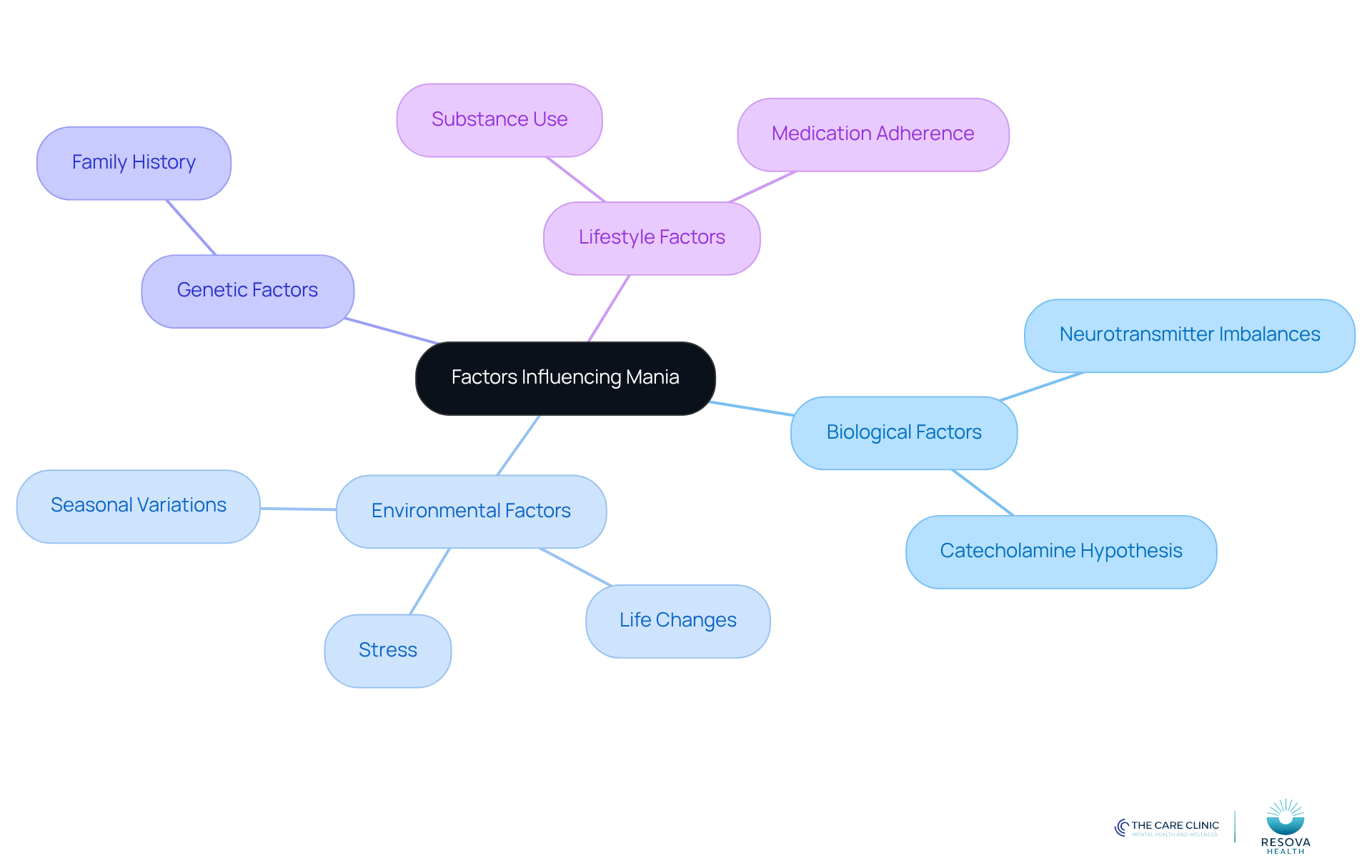
The onset and severity of what causes mania in bipolar mood instability present significant challenges for both clinicians and patients. Understanding what causes mania in bipolar, along with the interplay of biological and environmental factors, is crucial for effective management. Neurotransmitter imbalances, particularly involving dopamine and serotonin, play a critical role in mood regulation. Disruptions in these neurotransmitters can lead to manic episodes, shedding light on what causes mania in bipolar, as supported by the catecholamine hypothesis, which posits that increased levels of epinephrine and norepinephrine may trigger mania.
Genetic predisposition also contributes to the complexity of manic-depressive illness. First-degree relatives of individuals with this condition are approximately seven times more likely to develop it themselves. This genetic link highlights the importance of considering family history in assessments and treatment planning.
Environmental triggers significantly affect what causes mania in bipolar, influencing the frequency and intensity of manic episodes. High-stress situations, major life changes, and sleep disturbances often precede these episodes. For instance, research indicates that individuals with bipolar disorder may experience heightened issues during periods of increased sunlight exposure, suggesting that seasonal variations can exacerbate their condition. Additionally, stressful life events, such as pregnancy, can serve as catalysts for manic episodes, which emphasizes what causes mania in bipolar and underscores the need for clinicians to recognize these factors.
Lifestyle choices, particularly substance use-especially cannabis-can elevate the risk of developing mania or exacerbate existing symptoms. Clinicians should emphasize the importance of identifying what causes mania in bipolar, as these environmental triggers can significantly influence the management of mood instability. Real-life examples include patients who report manic episodes following stressful events like job loss or relationship changes.
Moreover, adherence to prescribed medication is vital; non-compliance can lead to a resurgence of manic symptoms. Understanding these multifaceted factors is essential for developing effective management and prevention strategies for individuals affected by mood instability.
Discuss Importance of Understanding Mania Causes
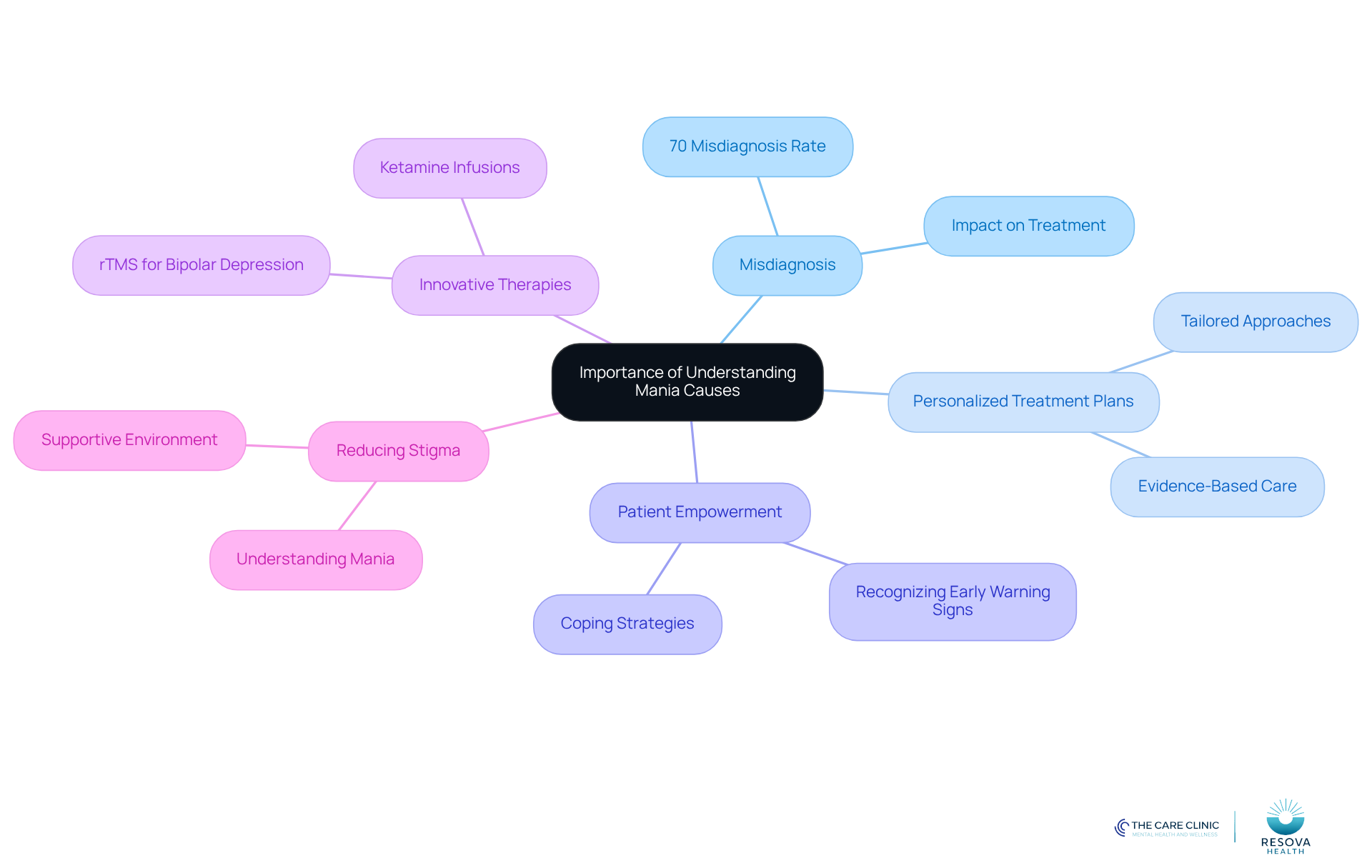
Understanding what causes mania in bipolar is crucial for effective treatment and patient care. Misdiagnosis is a significant issue, with studies indicating that up to 70% of individuals with mood instability may experience at least one misdiagnosis. This highlights the need for precise identification of what causes mania in bipolar, which is essential for developing personalized treatment plans that address unique risk factors.
At Resova Health, we focus on creating tailored approaches that not only enhance treatment effectiveness but also empower patients. By recognizing early warning signs, patients can adopt coping strategies to mitigate potential triggers. Innovative therapies, such as ketamine infusions, are integrated into our comprehensive management of mood issues, illustrating our commitment to evidence-based care.
Real-world examples demonstrate that when patients understand their mania, they can actively engage in their treatment, leading to improved outcomes. Furthermore, a thorough understanding of mania contributes to reducing the stigma surrounding mood instability, fostering a supportive environment for those affected.
Ultimately, this knowledge enhances the quality of life for individuals experiencing mood swings.
Examine Genetic and Familial Influences
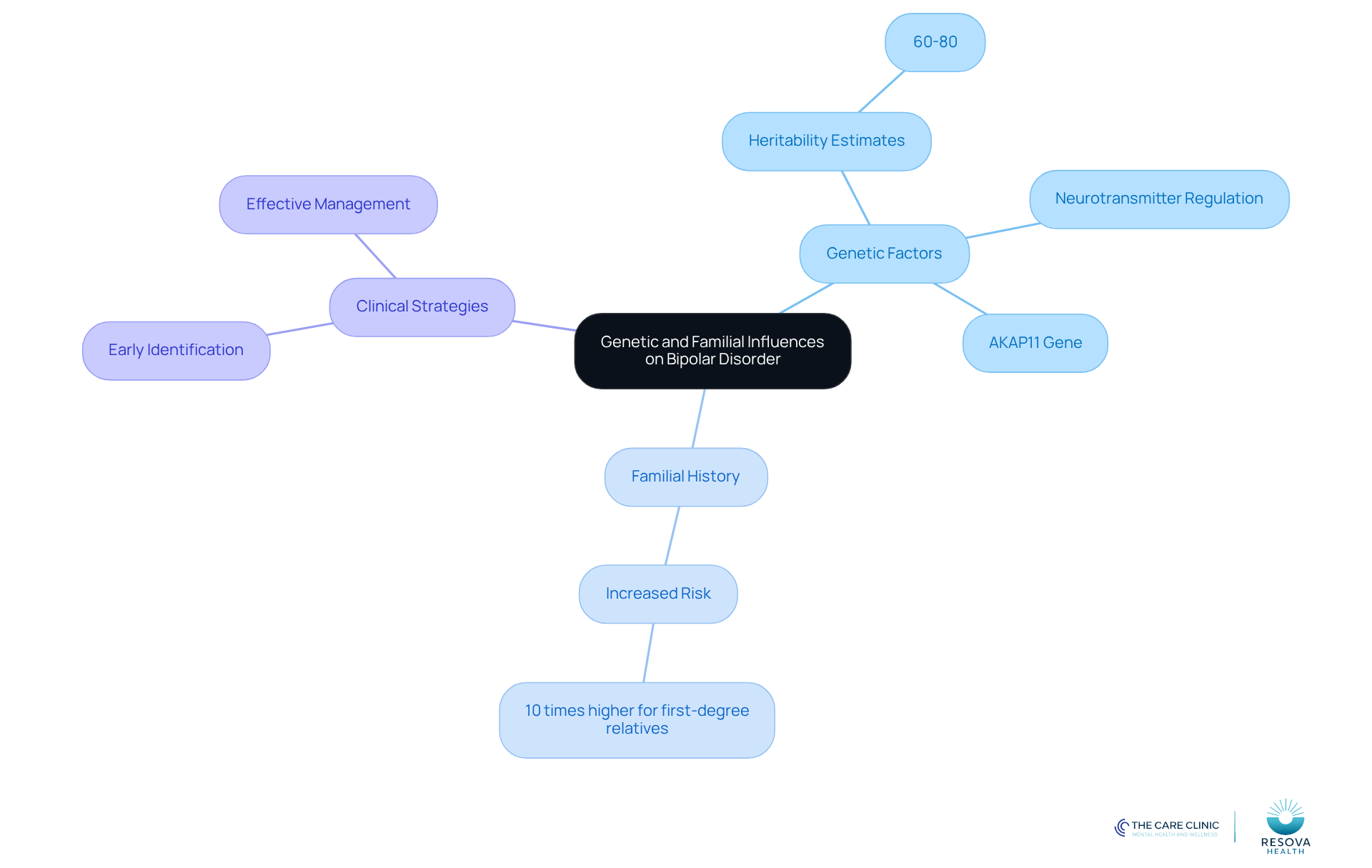
Genetic and familial factors significantly influence what causes mania in bipolar and mood instability, as well as the occurrence of manic episodes. Individuals with a family history of bipolar disorder face a heightened risk of developing the condition themselves, with heritability estimates ranging from 60% to 80%. Understanding these genetic influences is essential for clinicians aiming to provide effective care.
Certain genes linked to neurotransmitter regulation have been identified as potential contributors to the onset of bipolar disorder. By recognizing these genetic markers, clinicians can enhance early identification and intervention strategies. This proactive approach allows for more effective management of the disorder and its symptoms, ultimately improving patient outcomes.
In summary, understanding the genetic underpinnings of mood disorders is crucial. By integrating this knowledge into clinical practice, we can foster a more empathetic and informed approach to patient care.
Conclusion
Understanding the causes of mania in bipolar disorder is essential for effective treatment and improved patient outcomes. By examining the interplay of biological, genetic, and environmental factors, healthcare providers can better grasp the complexities of this condition. This insight not only aids in accurate diagnosis but also supports the development of personalized treatment plans tailored to individual needs.
Key arguments emphasize that neurotransmitter imbalances, genetic predisposition, and environmental triggers significantly influence the occurrence and severity of manic episodes. Clinicians should prioritize early identification and intervention, as many individuals face delays in receiving appropriate care. Additionally, awareness of lifestyle factors and adherence to treatment can play a crucial role in effectively managing mood instability.
Ultimately, a deeper understanding of what causes mania in bipolar disorder can enhance the quality of life for affected individuals. By advocating for routine screenings and educating both patients and practitioners, we can reduce the stigma surrounding mood disorders, fostering a supportive environment for those in need.
Frequently Asked Questions
What is mania in bipolar disorder?
Mania in bipolar disorder is characterized by abnormally heightened mood, energy, and activity levels, which can severely impair daily functioning.
What are the common symptoms of a manic episode?
Common symptoms of a manic episode include increased energy, reduced need for sleep, racing thoughts, impulsive behavior, grandiosity, engagement in risky behaviors, and heightened creativity or productivity.
How long does a manic episode typically last?
A manic episode typically lasts for at least one week.
What is the prevalence of mood instability in the U.S. population?
Approximately 5.7 million adult Americans, or about 2.6% of the U.S. population aged 18 and older, experience mood instability annually.
What is the median age of onset for symptoms of mania in bipolar disorder?
The median age of onset for symptoms of mania is around 25 years, with symptoms often appearing earlier in life.
How satisfied are individuals with mood instability regarding their current medications?
Nearly 90% of individuals with mood instability express satisfaction with their current medications, despite ongoing concerns about side effects.
Why is early intervention important in treating mania in bipolar disorder?
Early intervention is crucial because many individuals may struggle with symptoms for as long as ten years before receiving appropriate care, highlighting the need for accurate diagnosis and treatment.
What can healthcare providers do to improve patient outcomes related to mood disorders?
Healthcare providers can implement routine screenings for mood disorders to facilitate early identification and intervention, ultimately improving patient outcomes.
List of Sources
- Define Mania in Bipolar Disorder
- Bipolar disorder: How it affects different population groups (https://medicalnewstoday.com/articles/bipolar-disorder-facts-and-stats)
- Bipolar Disorder Statistics – Depression and Bipolar Support Alliance (https://dbsalliance.org/education/bipolar-disorder/bipolar-disorder-statistics)
- Bipolar Disorder News (https://sciencedaily.com/news/mind_brain/bipolar_disorder)
- Seeding solutions for bipolar disorder — Harvard Gazette (https://news.harvard.edu/gazette/story/2025/08/seeding-solutions-for-bipolar-disorder)
- Statistics about bipolar disorder in the U.S. (https://singlecare.com/blog/news/bipolar-disorder-statistics)
- Explore Factors Influencing Mania
- Bipolar Disorder: Background, Pathophysiology, Etiology (https://emedicine.medscape.com/article/286342-overview)
- Study Illuminates the Genetic Architecture of Bipolar Disorder (https://nimh.nih.gov/news/science-updates/2025/study-illuminates-the-genetic-architecture-of-bipolar-disorder)
- The Increasing Frequency of Mania and Bipolar Disorder: Causes and Potential Negative Impacts – PMC (https://pmc.ncbi.nlm.nih.gov/articles/PMC3632412)
- Bipolar Disorder (https://nimh.nih.gov/health/topics/bipolar-disorder)
- Broad Institute News (https://broadinstitute.org/news/researchers-find-first-strong-genetic-risk-factor-bipolar-disorder)
- Discuss Importance of Understanding Mania Causes
- Bipolar Research Shows Promise (https://psychiatrist.com/news/bipolar-research-shows-promise)
- Breakthroughs in bipolar disorder announced at Neuroscience 2024 – Drug Discovery World (DDW) (https://ddw-online.com/breakthroughs-in-bipolar-disorder-announced-at-neuroscience-2024-31882-202410)
- Bipolar Breakthrough (https://hms.harvard.edu/news/bipolar-breakthrough)
- UCLA Health part of new study digging into the unknowns of bipolar disorder (https://uclahealth.org/news/article/comprehensive-new-study-aims-better-understand-bipolar)
- People like me with bipolar disorder must help shape research and clinical care (https://statnews.com/2024/05/03/people-with-bipolar-disorder-help-shape-research-clinical-care)
- Examine Genetic and Familial Influences
- Bipolar Breakthrough (https://hms.harvard.edu/news/bipolar-breakthrough)
- Study Illuminates the Genetic Architecture of Bipolar Disorder (https://nimh.nih.gov/news/science-updates/2025/study-illuminates-the-genetic-architecture-of-bipolar-disorder)
- Is bipolar disorder hereditary? | Paris Brain Institute (https://parisbraininstitute.org/disease-files/bipolar-disorder/bipolar-disorder-hereditary)
- New Genetic Risk Factors for Bipolar Disorder Revealed (https://insideprecisionmedicine.com/topics/molecular-dx/new-genetic-risk-factors-for-bipolar-disorder-revealed)