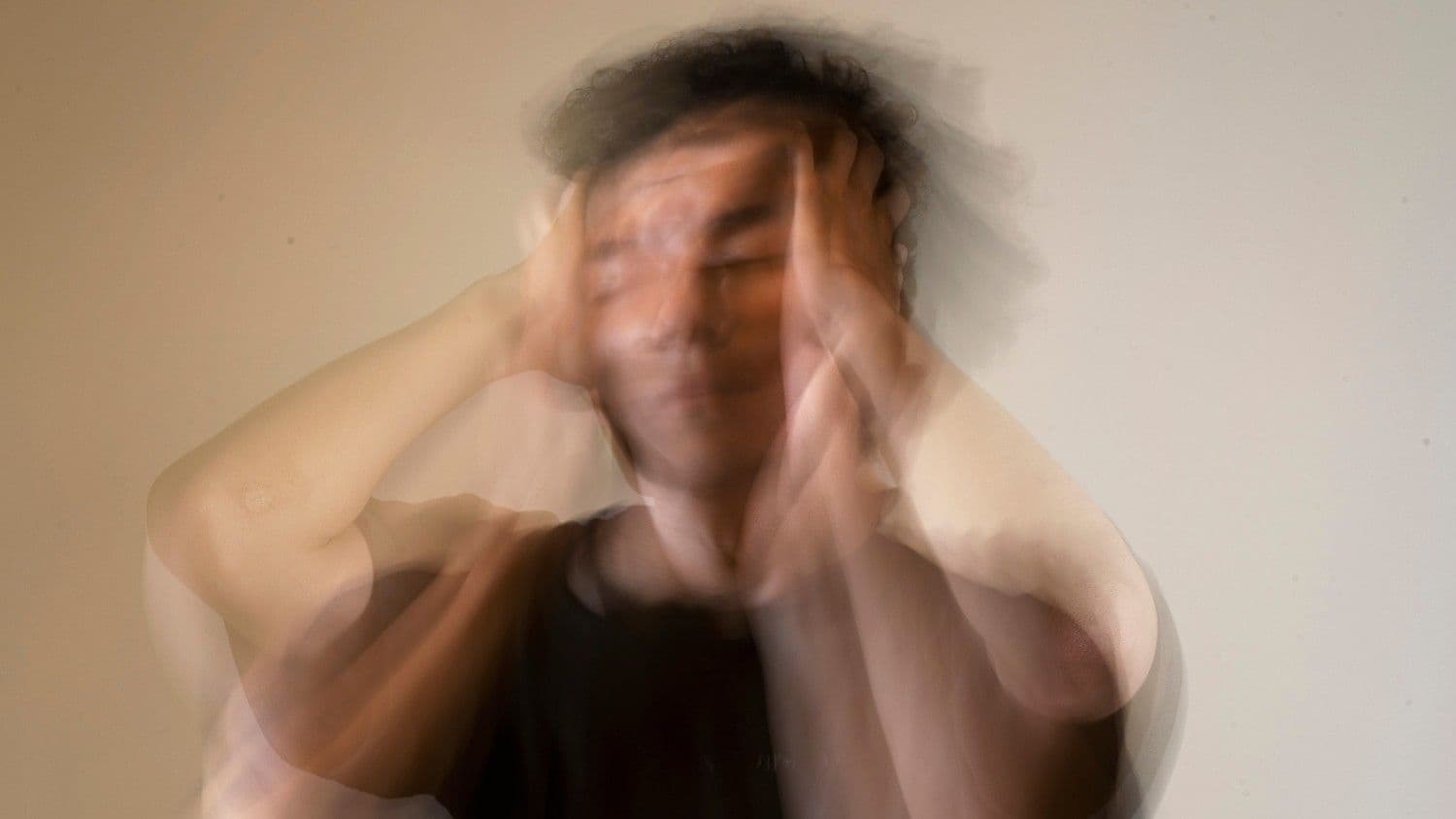
Depression is a serious mental health condition that affects millions of people worldwide and just as equally looks different among them. While for some it can look like an inability to keep routines and relationships healthy, for others it can look like they’ve got it all together. For the latter, this could pose a challenge to mental health professionals in giving the care they need.
Because it presents in so many different ways, detecting and treating depression relies on an awareness of both its obvious and subtle signs. We’ll break all of this down in the article below.
What Is Depression?
Depression is a mental health condition characterized by persistent feelings of sadness, hopelessness, and a lack of interest or pleasure in activities. Also called Major Depressive Disorder (MDD), it affects emotions, thoughts, and physical health, often interfering with daily responsibilities and relationships.
Numerous tests confirm depression in individuals. But usually, before these tests can be done, individuals must first recognize its signs and symptoms and seek help.
Common Symptoms of Depression
Depression manifests differently for each person. That’s because they also manifest in different dimensions of health and at varying degrees.
Some symptoms will be emotional, physical, cognitive, or behavioral, and people can manifest any combination of some or all of these signs of depression. If you suspect that you or a person important to you is suffering from it, keep a close watch for the symptoms we discuss below.
Emotional Symptoms
- Persistent sadness or an empty mood. A deep, lingering sadness that overshadows daily life, and makes small tasks feel overwhelming. Some people describe this as a heavy emotional weight or a feeling of numbness rather than outright sadness.
- Loss of interest in previously enjoyable activities. Hobbies, social events, and passions that once brought you joy may no longer seem appealing. This loss of interest can make it difficult to find pleasure or motivation in life.
- Feelings of hopelessness or helplessness. A person may feel like things will never get better, even if there are reasons to believe otherwise. This overwhelming sense of despair can make it hard to see a way forward or believe in positive change.
- Increased irritability, frustration, or restlessness. Depression doesn’t always present as sadness—it can also cause heightened sensitivity, leading to anger, frustration, or impatience over minor things. This irritability may strain relationships, making interactions with loved ones feel tense or exhausting.
- Feelings of worthlessness or excessive guilt. A person may fixate on past mistakes or feel like a burden to others, even when there’s no rational reason for these thoughts. Self-criticism becomes constant, leading to a deep sense of personal failure or shame.
Cognitive Symptoms
- Difficulty concentrating or making decisions. Even simple choices, like deciding what to eat or responding to messages, can feel mentally exhausting. Tasks that once felt routine may require significant effort, leading to frustration and self-doubt.
- Recurrent thoughts of death or suicide. Some individuals experience persistent thoughts of their mortality, whether as fleeting ideas or active self-harm ideation. These thoughts can feel intrusive and distressing, often accompanied by a sense of emotional numbness or exhaustion.
- Slowed thinking or difficulty remembering details. Depression can make the mind feel sluggish, leading to forgetfulness and difficulty processing information. Conversations may feel overwhelming, and recalling basic facts or recent events can become a struggle.
Physical Symptoms
- Fatigue or decreased energy levels. Many people with depression experience overwhelming exhaustion, even after a full night’s sleep. This fatigue is more than just feeling tired—it’s a deep, persistent lack of energy making daily tasks feel impossible.
- Unexplained aches and pains, such as headaches or muscle tension. Physical discomfort, including headaches, back pain, and muscle tension, can appear without a clear medical cause. These aches often persist despite rest and can make movement or relaxation more difficult.
- Sleep disturbances, including insomnia or excessive sleeping. Some individuals struggle to fall or stay asleep, while others find themselves sleeping excessively but still feeling drained. Disruptions in sleep patterns can worsen mood instability, creating a cycle of fatigue and emotional distress.
- Changes in appetite that lead to weight loss or gain. Depression can cause a loss of appetite, making food seem unappealing, or it can lead to emotional eating as a way to seek comfort. Significant weight fluctuations can result, impacting overall health and self-image.
Behavioral Symptoms
- Withdrawing from social interactions. People with depression often isolate themselves, avoiding social situations even when they feel lonely. The thought of engaging with others can seem overwhelming, leading to missed calls, canceled plans, and increased disconnection.
- Reduced motivation to complete everyday tasks. Simple responsibilities like showering, cleaning, or responding to messages can feel like monumental challenges. Depression drains motivation, making even the smallest tasks feel exhausting or pointless.
- Engaging in self-harm or substance abuse. Some individuals turn to self-harm or alcohol and drugs as a way to cope with emotional pain. These behaviors can provide temporary relief but often worsen feelings of guilt, shame, and helplessness over time.
If symptoms persist for over two weeks and disrupt daily life, seeking professional help is crucial. But another clue to depression are risk factors that you might be exposed to. Understanding these in tandem with symptoms can help point you to answers regarding your needs.
Causes and Risk Factors of Depression

Depression is influenced by multiple factors and the interplay among them. These factors include genetic predispositions to it and biological, psychological, and environmental elements. Exposure to one or more of these factors in many ways, frequencies, and combinations is common.
When suspecting depression, consider if you have a history of exposure or experience of the following:
Biological Causes
- Brain Chemistry Imbalance: Neurotransmitters like serotonin, dopamine, and norepinephrine play a vital role in mood regulation. An imbalance can contribute to depression.
- Hormonal Changes: Fluctuations in hormones, such as those occurring during pregnancy, menopause, or thyroid disorders, can trigger depressive symptoms.
- Genetics: A family history of depression increases the risk of developing the condition.
Psychological and Emotional Triggers
- Trauma and Stress: Experiencing loss, abuse, or prolonged stress can lead to depression.
- Negative Thinking Patterns: Chronic self-criticism and pessimistic outlooks can reinforce depressive symptoms.
- Unresolved Emotional Conflicts: Internal struggles, grief, or feelings of inadequacy can contribute to long-term sadness.
Environmental and Lifestyle Factors
- Social Isolation: Lack of strong social connections increases vulnerability to depression.
- Substance Abuse: Drug or alcohol dependency can trigger or worsen depressive episodes.
- Chronic Illness: Conditions like diabetes, heart disease, and chronic pain often coexist with depression.
Types of Depression
Another important consideration in detecting and treating depression is understanding the forms in which it exists. By understanding this, people can unlearn easily dismissing mild cases of it and seek proper help.
Major Depressive Disorder
MDD is characterized by intense and persistent episodes of depression that significantly disrupt daily life. These episodes typically last for at least two weeks but can extend for months, making it difficult for individuals to work, maintain relationships, or engage in activities once enjoyed.
Unlike temporary feelings of sadness, MDD doesn’t just pass with time or positive experiences. It can create a cycle of emotional and physical exhaustion, leading to self-isolation and a decline in self-care. Without treatment, MDD can worsen, increasing the risk of suicidal thoughts.
Persistent Depressive Disorder (Dysthymia)
Persistent Depressive Disorder, also known as dysthymia, is a long-term form of depression that lasts for two years or more. While its symptoms are generally less severe than MDD’s, they can still make daily life feel like an ongoing struggle. With dysthymia, you may often experience chronic sadness, low self-esteem, and feelings of hopelessness, even if you can still function in work or social settings.
Because dysthymia develops gradually and persists for long periods, it may be mistaken for a person’s normal personality rather than a treatable condition. Many people will feel like they’ve always been “just a little down” and dismiss their need for help.
Bipolar Disorder
Bipolar Disorder is a mood disorder characterized by alternating episodes of depression and mania. During depressive episodes, individuals experience symptoms similar to Major Depressive Disorder, including extreme sadness, fatigue, and loss of motivation.
However, these are contrasted by manic episodes, which can bring high energy, impulsivity, racing thoughts, and risky decision-making. Some people also experience hypomania, a milder but still disruptive form of mania.
These mood swings can be unpredictable, making it difficult to maintain stability in relationships, work, and daily responsibilities. While some people feel creative and productive during manic episodes, they may engage in reckless behavior with long-term consequences.
Seasonal Affective Disorder (SAD)
Seasonal Affective Disorder (SAD) is a type of depression that follows a seasonal pattern, most commonly emerging in the late fall and lasting through winter. Reduced sunlight exposure is believed to contribute to SAD by disrupting the body’s internal clock and lowering serotonin levels, leading to mood changes, fatigue, and difficulty concentrating.
People with SAD may also experience increased appetite, weight gain, and excessive sleepiness. While winter is the most common trigger, some individuals experience a rare form of SAD that occurs in summer. This variation may cause heightened anxiety, restlessness, and trouble sleeping.
Postpartum Depression
Postpartum Depression affects new mothers in the weeks or months following childbirth, causing intense feelings of sadness, anxiety, and exhaustion. While hormonal shifts play a role, the physical and emotional demands of caring for a newborn can worsen symptoms.
Many women with postpartum depression struggle with guilt, feeling like they should be happy but instead feeling overwhelmed and disconnected. Some may experience intrusive thoughts or fear that they are unfit to care for their child.
Situational Depression
Situational Depression, also known as adjustment disorder with depressed mood, is triggered by a specific life event or major stressor. These stressors can span major life events like job loss, divorce, financial problems, or the death of a loved one. Symptoms often include persistent sadness, anxiety, difficulty coping, and withdrawal from usual activities.
Although situational depression is temporary, its emotional impact can be severe, affecting daily life and decision-making. Some people recover naturally over time, while others benefit from therapy, support groups, or short-term medication to help them process their emotions and regain a sense of stability.
Final Thoughts

Understanding that depression exists in many forms is essential in breaking the stigma surrounding mental health. It does not always appear as visible sadness—some struggle with irritability, fatigue, or physical discomfort, while others may seem functional on the surface but battle overwhelming emptiness inside. Recognizing these variations is key to ensuring that more people receive the validation and support they need, rather than dismissing their experiences as temporary sadness or personal weakness.
Advancements in mental health care continue to improve early detection and treatment, offering individuals a better chance at recovery before symptoms worsen. With growing awareness, more accessible screenings, and tailored treatment plans, those affected by depression can receive timely and effective care. The earlier depression is identified and addressed, the greater the chance of restoring emotional well-being and preventing long-term struggles.
If you or someone you care about is showing signs of depression, seeking help is the first step toward healing. Resova Health’s team of dedicated mental health practitioners is here to listen, support, and guide you through personalized treatment options. Call Resova Health today to schedule an appointment and start your journey toward better mental health.