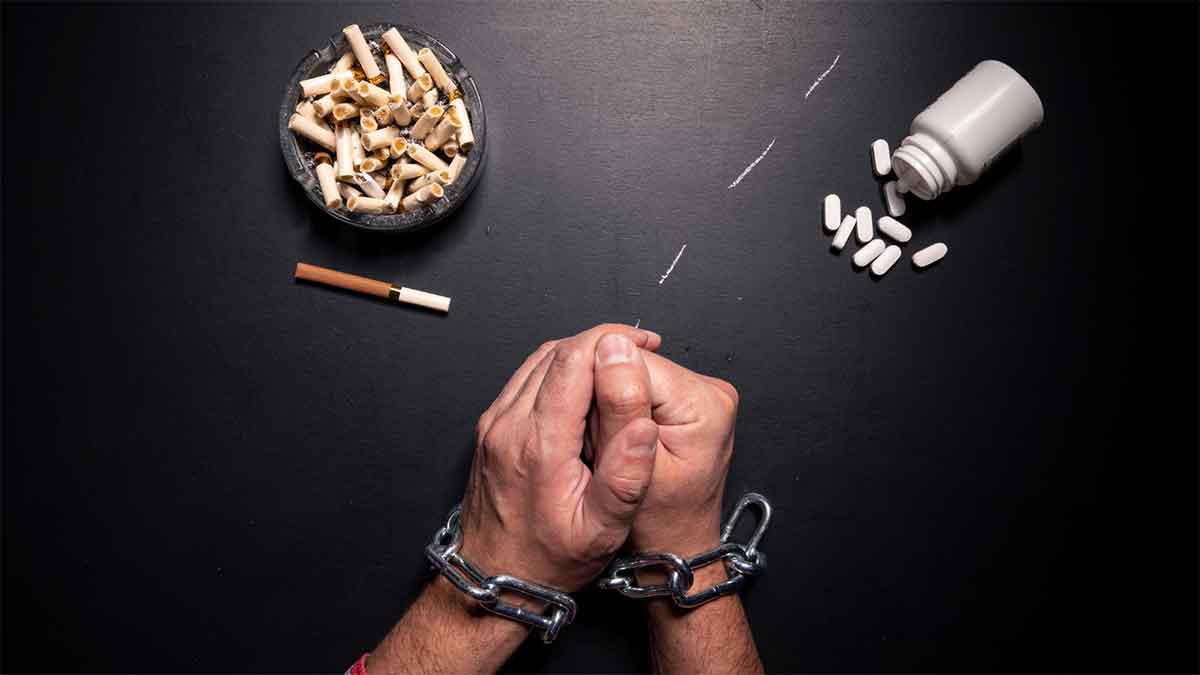
Quitting nicotine is tough. You may feel irritable, restless, and constantly craving another hit. Sleep problems, headaches, and mood swings can make the process even harder. These symptoms can feel overwhelming, but they won’t last forever.
Nicotine withdrawal follows a timeline, and understanding it makes quitting easier. In this guide, we’ll break down how long nicotine withdrawal lasts and share tips to get through it. We’ll also explore reliable nicotine addiction treatment options that can help you quit for good.
What Is Nicotine Withdrawal and Why Does It Occur?
Nicotine withdrawal happens when your body reacts to the absence of nicotine. This substance affects the brain by increasing dopamine levels, creating a sense of pleasure and relaxation. Over time, your body becomes dependent on nicotine to regulate mood, stress, and focus. When you quit, your brain struggles to adjust, leading to withdrawal symptoms.
These symptoms occur because nicotine disrupts brain chemistry. Without it, dopamine production slows, causing irritability, anxiety, and cravings. Your body also changes physically, like increased appetite and trouble sleeping. Withdrawal is temporary, but its intensity depends on factors like how long you’ve used nicotine and how much you consumed daily.
General Timeline for Nicotine Withdrawal
Nicotine withdrawal happens in stages, each with its own set of challenges. While symptoms peak in the first few days, some effects can linger for weeks. Understanding the timeline below helps set realistic expectations and prepares you for what’s ahead:
Initial Phase (1-3 Days): First Signs and Early Symptoms
Within hours of quitting, nicotine levels in the bloodstream begin to drop. As this happens, the brain struggles to adjust, leading to cravings, irritability, and restlessness. Many people experience headaches, difficulty focusing, and mood swings. Some report feeling anxious or unusually fatigued, while others struggle with increased appetite.
Physical symptoms like dizziness and sweating may appear but typically fade quickly. This phase can be uncomfortable, but it’s also a sign that the body is beginning to heal. The urge to smoke or vape may feel intense, but staying distracted and drinking plenty of water can help ease the discomfort.
Peak Phase (3-5 Days): The Most Intense Period
This stage is often the hardest. By day three, nicotine has fully left the system, but the brain is still craving it. Emotional symptoms, like frustration and mood swings, tend to spike. Many people also report trouble sleeping and an increased feeling of stress or anxiety.
Physical withdrawal symptoms, such as headaches and digestive issues, may worsen before improving. Cravings hit their peak, making this a critical period for staying strong. Finding a support system and keeping busy can help prevent relapse. The good news is that symptoms usually begin to decline after this phase.
Late Phase (1-2 Weeks): When Symptoms Begin to Subside
By the second week, physical withdrawal symptoms start to fade. Cravings become less frequent, and mood swings begin to level out. However, some people still struggle with irritability, mild anxiety, or occasional sleep disturbances.
This phase is when mental triggers become more apparent. Situations that used to involve nicotine—like drinking coffee or taking a break at work—may suddenly spark cravings. Developing new habits and staying mindful of these triggers is key to avoiding setbacks.
Extended Recovery (2-4 Weeks and Beyond): Lingering Effects
For many, the most challenging part of withdrawal is over by the end of the first month. However, some lingering effects can persist. Occasional cravings may surface, especially in response to stress or familiar routines. Sleep patterns may take longer to adjust fully, and some people experience changes in appetite.
Psychological cravings can last months, but they become weaker over time. This is when long-term coping strategies, like regular exercise and stress management, help. Seeking professional help, such as comprehensive telemedicine services, can also provide extra support during this stage.
Tips and Tricks to Get Through Nicotine Withdrawal

Getting through nicotine withdrawal requires more than just willpower. Physical cravings, emotional struggles, and daily triggers can make quitting feel overwhelming. The right strategies laid out below can help you stay on track and make the process easier.
Managing Physical Symptoms and Cravings
Cravings can be intense, but they usually pass within a few minutes. Drinking water, eating healthy snacks, and keeping your hands busy can help manage the urge to smoke or vape. Exercise also plays a crucial role—it releases endorphins, which help combat stress and improve mood.
Many people experience sleep disturbances and headaches in the first few days. Limiting caffeine, practicing relaxation techniques, and maintaining a regular sleep schedule can help. Staying hydrated and avoiding alcohol can also reduce withdrawal symptoms.
Psychological Strategies for Breaking the Habit
Nicotine addiction is more than just physical dependence—it’s also deeply tied to habits and emotions. Identifying and avoiding triggers is a crucial step. Stress, boredom, and social situations can all bring back the urge to use nicotine, so finding healthy distractions is key.
Positive reinforcement also helps. Celebrating small milestones, like getting through a full day or week without nicotine, can boost motivation. Mindfulness techniques, such as deep breathing or meditation, can help manage stress and cravings without turning back to nicotine.
Lifestyle Changes That Support Nicotine Detoxification
Making minor but meaningful lifestyle adjustments can speed up the recovery process. A balanced diet with plenty of fruits and vegetables helps restore energy levels and supports brain function. Staying active improves mood, helps regulate appetite, and prevents weight gain.
Sleep is another essential factor. Nicotine withdrawal can disrupt sleep patterns, so prioritizing rest is important. Setting a consistent bedtime, reducing screen time before bed, and practicing relaxation exercises can improve sleep quality. Over time, these habits make withdrawal symptoms easier to handle.
Replacement Therapies and Alternative Coping Methods
For some, nicotine replacement therapy (NRT) can ease the transition. Options like patches, gum, and lozenges provide small doses of nicotine to help reduce cravings. Prescription medications, such as bupropion or varenicline, can also support the quitting process by altering how nicotine affects the brain.
Alternative therapies, like acupuncture or herbal remedies, work for some individuals. Others find success through counseling, support groups, or guided programs from a trusted addiction treatment center. These resources provide structured guidance, making navigating withdrawal and preventing relapse easier.
Professional Support During Nicotine Withdrawal

Quitting nicotine is difficult, and for many, withdrawal symptoms can feel overwhelming. While some people manage to quit on their own, others benefit from professional support. A structured approach, like counseling, medication, or behavioral therapy, can significantly increase the chances of success. Support from healthcare professionals helps address both the physical and psychological aspects of addiction, making the transition smoother.
At Resova Health, we provide personalized treatment plans to help you quit nicotine for good. Our experts offer guidance, nicotine replacement therapy, and behavioral counseling tailored to your needs. Whether you’re struggling with intense cravings or long-term withdrawal symptoms, we’re here to help.
Call Resova Health today to get started on a healthier, nicotine-free life.