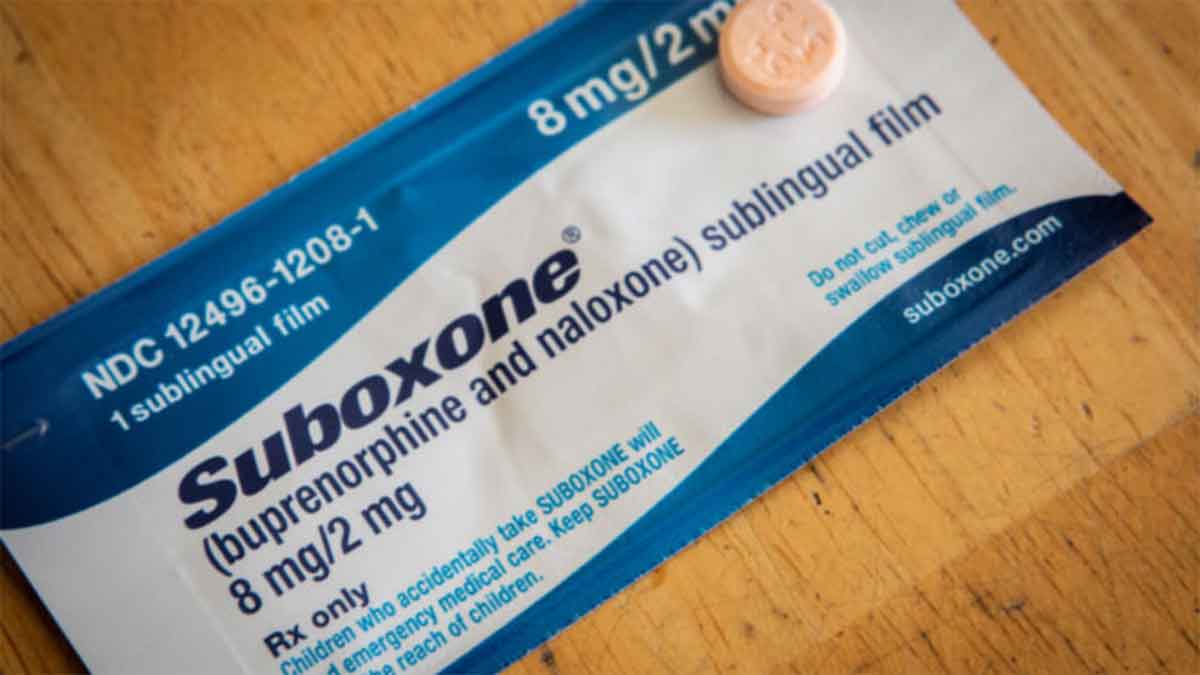
Worried about how long suboxone stays in your system? Whether you’re facing a drug test, tapering off, or just curious about its effects, it’s essential to know how long it lingers. You might also be thinking about withdrawal, side effects, or whether it could show up unexpectedly. These are all valid concerns, and understanding the timeline can help you plan your next steps.
In this guide, we’ll break down how long suboxone stays in different parts of your body and what factors affect how quickly it clears out. We’ll also look at how working with a trusted suboxone clinic can help you navigate your treatment, manage withdrawal, and make the process smoother.
What Is Suboxone and Its Importance in Addiction Treatment?
Suboxone is a prescription medication used to treat opioid addiction. It combines buprenorphine, a partial opioid agonist that reduces cravings, and naloxone, an opioid blocker that prevents misuse. Unlike full opioids, suboxone does not produce the same intense high, making it a safer alternative for managing withdrawal and long-term recovery.
This medication is a critical part of medication-assisted treatment (MAT), which has helped countless individuals regain control of their lives. By reducing withdrawal symptoms and cravings, suboxone allows patients to focus on therapy, rebuilding relationships, and restoring stability. Many experts consider it a life-saving tool, as it lowers the risk of overdose and supports long-term sobriety when used correctly.
General Timeline: How Long Suboxone Stays in Your System
The time suboxone stays in your system depends on several factors, including metabolism, dosage, and testing methods. While the drug has a long half-life, different tests detect it for varying durations.
Suboxone Detection Windows in Blood Tests
Blood tests are not the most common method for detecting suboxone, but they can provide a short-term view of drug presence in the body. Since buprenorphine, the active ingredient, is metabolized primarily in the liver, its concentration in the bloodstream declines quickly after the last dose. In most cases, suboxone remains detectable in blood for up to 48 hours, but this window may be shorter in individuals with fast metabolism or proper liver function.
Because blood testing requires a trained professional and offers a shorter detection period, it is mainly used in medical settings or legal cases where recent drug use must be confirmed. Unlike urine or hair testing, blood tests do not provide insight into long-term suboxone use. As a result, they are not typically included in standard drug screenings for employment or treatment programs.
Urine Testing Detection Periods for Suboxone
Urine testing is the most widely used method for detecting suboxone. This is because urine retains traces of buprenorphine and its metabolites longer than blood, making it a more practical option for monitoring use. Generally, suboxone can be detected in urine for up to 7 to 10 days after the last dose, but this varies based on individual factors like hydration, metabolism, and dosage.
Because urine tests are non-invasive and cost-effective, they are commonly used in rehab programs, probation monitoring, and workplace screenings. However, not all drug tests automatically check for suboxone. Standard opioid panels do not detect buprenorphine, so a specialized test must be requested. The reliability of urine testing makes it a preferred method for both treatment professionals and legal authorities.
Hair Follicle Analysis and Long-Term Detection
Hair follicle testing provides the longest detection window for suboxone, as drug metabolites become embedded in hair strands over time. Unlike blood or urine tests measuring recent use, hair tests can reveal suboxone use for up to 90 days or longer. This makes them a valuable tool in long-term substance use monitoring for legal cases, professional screenings, and addiction treatment programs.
While hair tests are highly accurate, they are less commonly used due to their higher cost and longer processing time. Additionally, the results may not reflect very recent use, as it takes time for drug metabolites to become incorporated into growing hair. For this reason, hair follicle testing is typically reserved for situations where a history of use is more relevant than immediate detection.
Saliva Testing for Recent Suboxone Use
Saliva testing is gaining popularity because it is noninvasive and easy to administer. This method detects suboxone use within a short window—typically 24 to 48 hours after the last dose. Since saliva tests require minimal equipment, they are often used in roadside screenings, workplace drug testing, and addiction treatment programs.
However, saliva tests are not as widely relied upon as urine tests due to their short detection period and sensitivity to external factors like food, drink, and oral hygiene. While they help detect recent drug use, they are less effective for long-term monitoring. If you’re enrolled in a reliable addiction treatment center, your provider may use saliva testing as a quick and convenient method to check for medication adherence.
Key Factors That Affect How Long Suboxone Stays in Your System
Suboxone does not leave everyone’s system at the same rate. Several factors, including metabolism, organ function, and lifestyle choices, can influence how long it remains detectable in the body. Understanding these factors can help set expectations for drug testing and recovery planning.
Individual Metabolism and Physical Characteristics
Each person’s body processes suboxone differently. Those with a faster metabolism break down the drug more quickly, leading to a shorter detection window. On the other hand, individuals with slower metabolism or higher body fat may retain the drug longer.
Age, weight, and overall health also play a role. Older individuals tend to metabolize drugs more slowly, while those with higher body fat may store buprenorphine in fatty tissues, prolonging elimination. Genetic factors also affect how efficiently the liver processes medications, influencing how long suboxone stays in the system.
Dosage and Duration of Suboxone Treatment
The amount of suboxone taken and the length of time a person has been on the medication significantly impact detection time. Higher doses take longer to clear, as the body needs more time to metabolize and eliminate the drug.
Individuals on long-term suboxone therapy may experience accumulation in the body, which means it stays detectable for a longer period. Those who have only taken suboxone for a short time—such as during detox—may clear the drug more quickly. The longer someone has been on suboxone, the more likely it is that drug metabolites will be found in urine, hair, or saliva tests.
Liver and Kidney Function Impact on Elimination
Suboxone is primarily metabolized by the liver, meaning liver health directly affects how long the drug remains in the system. Individuals with liver impairments process buprenorphine more slowly, causing prolonged elimination times. In severe cases, it can take twice as long for suboxone to leave the body.
Kidney function is less significant in suboxone elimination since most of the drug is broken down in the liver. However, individuals with severe kidney disease may still experience delayed clearance. If you have liver or kidney issues, your doctor may adjust your suboxone dosage to prevent accumulation in the body.
Hydration, Diet, and Lifestyle Influences
Daily habits can also impact how quickly suboxone leaves the body. Staying hydrated helps flush out metabolites, while a nutrient-rich diet supports liver function. Regular physical activity can boost metabolism, potentially leading to a faster elimination rate.
Other substances also affect how suboxone is processed. Alcohol and certain medications can slow liver metabolism, increasing the time it takes for suboxone to clear. If you use comprehensive telemedicine services, your healthcare provider can guide you on lifestyle choices that may impact your medication processing. While hydration and diet can support natural detoxification, they do not drastically speed up suboxone elimination.
Final Thoughts

Understanding how long suboxone stays in your system is essential, whether you’re preparing for a drug test, transitioning off the medication, or simply curious about its effects. The detection window varies based on metabolism, dosage, organ function, and lifestyle factors. Blood tests detect suboxone briefly, while urine, hair, and saliva tests offer different timelines for identifying past use. Knowing these details can help you plan accordingly and make informed decisions about your treatment.
If you need guidance on suboxone treatment or medication-assisted recovery, Resova Health is here to help. Our experienced medical team provides personalized treatment plans to support long-term recovery safely and effectively.
Whether you have questions about suboxone or need professional support, call us today to discuss your options. Your recovery matters, and we’re here to walk with you every step of the way.