
Staying connected with others plays a big role in emotional health, especially later in life. Seniors who spend too much time alone often feel sad, tired, or unmotivated. Over time, loneliness can increase the risk of depression in the elderly. For example, someone who stops seeing friends may also lose interest in eating well, staying active, or sleeping regularly. However, social contact brings positive changes. Talking with others can improve mood, reduce stress, and boost self-worth. Even small interactions, like sharing a meal or joining a group walk, make a difference. When face-to-face options are limited, online mental health counseling offers another way to stay emotionally connected. Regular contact, whether in person or virtual, helps support mental well-being.
Understanding the risks of isolation in older age
Isolation in older age can affect both emotional and physical health. When daily contact with others decreases, mental well-being often declines too. Over time, isolation may lead to senior depression symptoms like low energy, poor sleep, or loss of interest in daily routines. For example, someone who lives alone and no longer sees neighbors or friends may start skipping meals or missing medical appointments. Physical health can also suffer. Seniors may exercise less or ignore minor health issues when no one is around to check in.
Several common life changes can trigger isolation:
- Retirement may remove daily social contact that once came from coworkers.
- Mobility issues can also make it hard to leave home, limiting chances for connection.
- The loss of a spouse or close friend can bring deep emotional pain, making people withdraw even more.
These changes highlight why social activities are so important for older adults. Staying engaged through group exercise classes, book clubs, volunteer work, or simply regular meetups with friends can provide structure, purpose, and joy. Such activities not only reduce feelings of loneliness but also stimulate the mind, encourage movement, and create a sense of belonging that helps protect against depression.
Why depression in the elderly is often overlooked
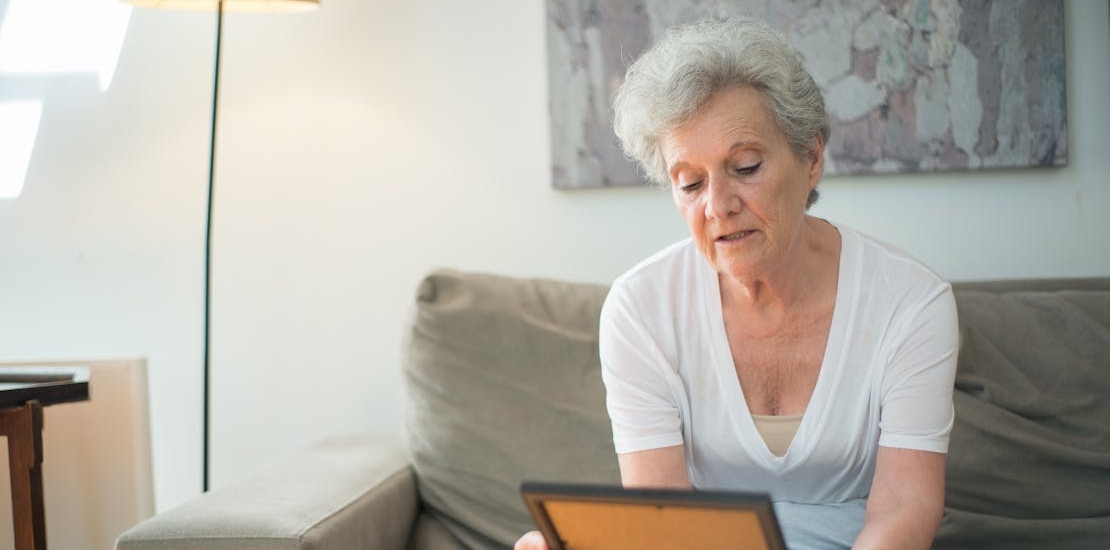
Many seniors experience mood changes, but do not always realize they are signs of depression. Often, depression in older adults appears as physical problems. For example, a person may feel tired all day or complain about poor sleep without connecting it to their emotional health. These symptoms are easy to dismiss or blame on aging. As a result, depression may go untreated for months or even years.
In many cases, seniors do not talk about their emotions. Some feel embarrassed or believe they should manage on their own. Others may think sadness is just part of getting older. For example, someone grieving a lost partner might avoid sharing their feelings and begin to withdraw. That’s why it is important to notice early warning signs like changes in appetite, loss of interest, or social isolation. Taking action early leads to better results. Today, online treatment for depression makes it easier for seniors to get support. Talking to a trained professional can bring comfort and improve daily life.
Group activities that strengthen mental health
Social interaction is a key part of staying mentally healthy in later years. Seniors who join group activities often feel more connected and supported. Many take part in CBT treatment for major depressive disorder programs that include group sessions as a safe and convenient way to stay engaged. This kind of setting allows people to share their feelings and hear from others facing similar challenges. Talking in a group, whether in person or through structured therapy, can reduce loneliness and provide a sense of routine.
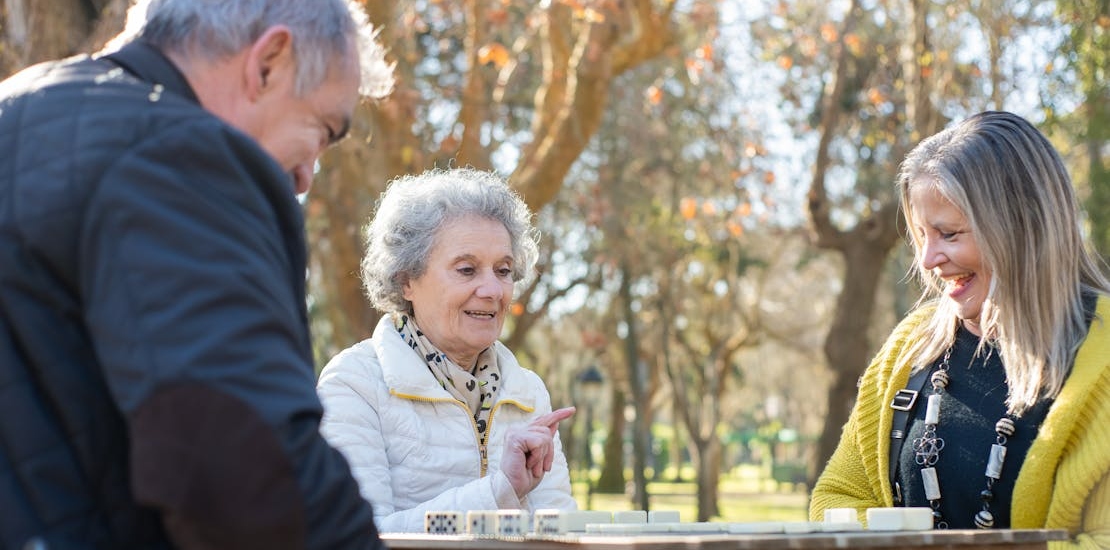
Senior centers and clubs also offer helpful activities. For example, book clubs give people a reason to read, think, and connect with others through discussion. Walking groups promote gentle exercise while encouraging conversation and fresh air. Fitness classes designed for seniors improve strength and balance and often include time to socialize before or after. These group options offer more than just entertainment. They help build friendships, boost mood, and provide a reason to get out of the house. Regular social activity supports both emotional and physical well-being, especially when combined with other forms of care.
Volunteering as a way to boost purpose and self-esteem
Giving back to others can improve emotional well-being at any age. Helping someone in need often brings a strong sense of purpose. Seniors who are already receiving mood disorder treatment may find that volunteering complements their care by adding structure to the week and creating positive experiences. Even small acts of service can help boost self-esteem and reduce feelings of sadness or isolation.
Many types of volunteer work fit different interests and abilities. For example:
- Tutoring children in reading or math offers both social contact and mental engagement.
- Working at a food bank allows seniors to contribute to the community while staying active.
- Hospital volunteering also provides a sense of value, especially when comforting patients or guiding visitors.
These activities help people feel useful and needed. They also create new friendships and build a daily structure. Most importantly, volunteering supports emotional health by replacing loneliness with purpose. It’s a step that brings joy to others and healing to yourself.
How family connections protect against depression in the elderly
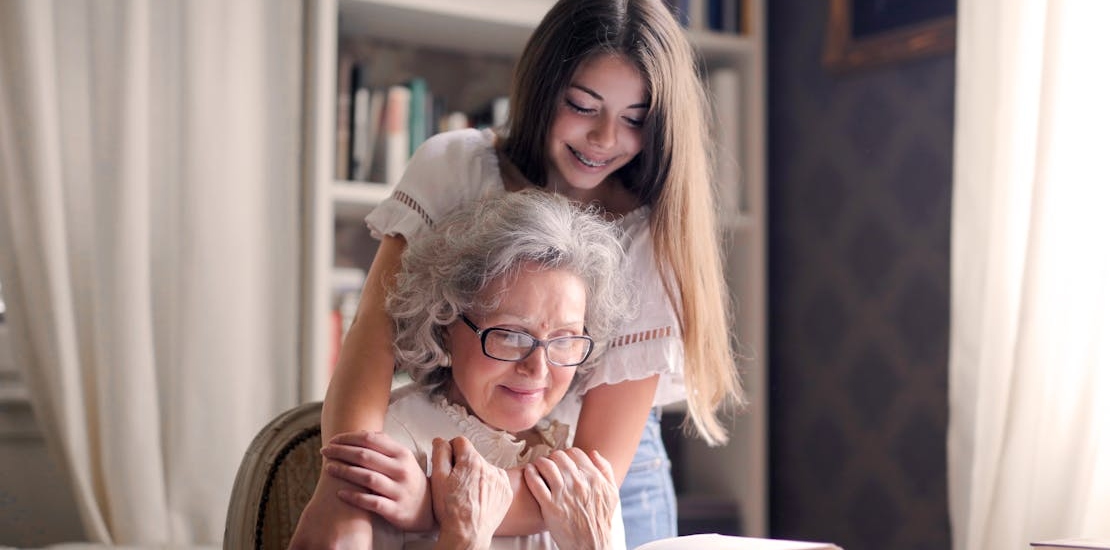
Family support plays a key role in protecting mental health as people age. Regular visits offer comfort and help prevent feelings of loneliness. For example, having lunch with a grandchild once a week can bring joy and a sense of connection. When loved ones are involved, seniors are more likely to stay active, follow routines, and speak up about their needs. These moments of care help reduce the risk of depression in the elderly.
Even when relatives live far away, connection is still possible. Short daily phone calls or weekly video chats can make a big difference. A five-minute check-in every evening can provide comfort and help seniors feel remembered.
Physical activities that double as social outlets
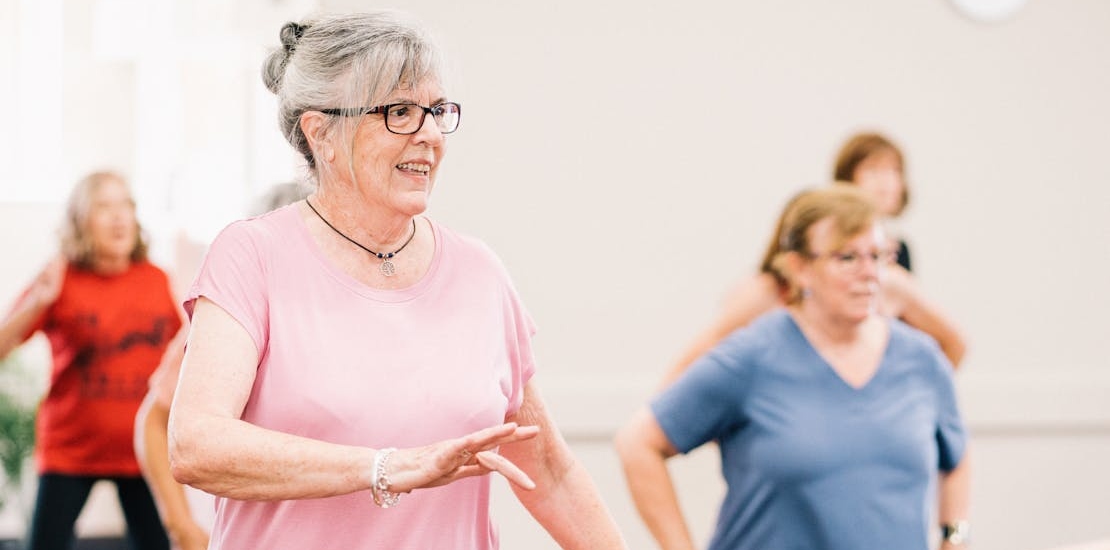
Staying physically active helps maintain strength and balance, but it also supports emotional health. Group classes make movement more enjoyable and social.
- Dancing with others in a community center can bring laughter and boost confidence.
- Yoga and tai chi focus on gentle movements and breathing, which help reduce stress and improve mood.
- Many seniors enjoy the calm and balance these classes provide.
- Swimming groups also offer support.
Regular participation in group physical activities helps seniors stay flexible, feel connected, and enjoy each day with more energy and purpose. Small steps lead to lasting emotional and physical improvements.
Technology and social connection for seniors
Technology can help seniors stay socially connected, even from home. Tools like social media and messaging apps allow you to keep in touch with friends and family. For example, sending daily photos or short texts through a messaging app can help maintain regular contact. Video calls add even more value. Talking face-to-face with grandchildren through a tablet or computer brings warmth and comfort, especially when visits are not possible.
Online communities provide another layer of support. Joining a Facebook group for gardening or a forum for classic film lovers can spark conversations and new friendships. Health-related groups also allow seniors to share experiences and tips about managing conditions like arthritis or high blood pressure. These spaces offer both emotional and practical support. As a result, technology helps replace isolation with connection. When used consistently, digital tools become a meaningful part of daily life and emotional well-being.
Faith-based and cultural gatherings for emotional strength
Faith-based and cultural gatherings offer comfort, structure, and a sense of belonging. These connections support emotional well-being and strengthen mental health in elderly individuals. Religious services give many seniors a routine and community. For example, attending a weekly church meeting can offer both spiritual peace and friendly conversation afterward. These moments create social bonds that reduce feelings of isolation.
Cultural events also help people feel connected to their roots. For instance, joining a local cultural festival allows seniors to enjoy music, food, and traditions with others who share their background. Prayer circles or small study groups provide a quieter setting for reflection and support. These spaces often lead to friendships and shared understanding. While each activity may seem small, its emotional impact is often lasting. They provide comfort, boost confidence, and create meaningful ways to stay involved. Seniors who regularly take part in faith or cultural events often feel more grounded and emotionally supported in their daily lives, even during times of change or loss.
Travel and day trips that bring joy and reduce depression in the elderly
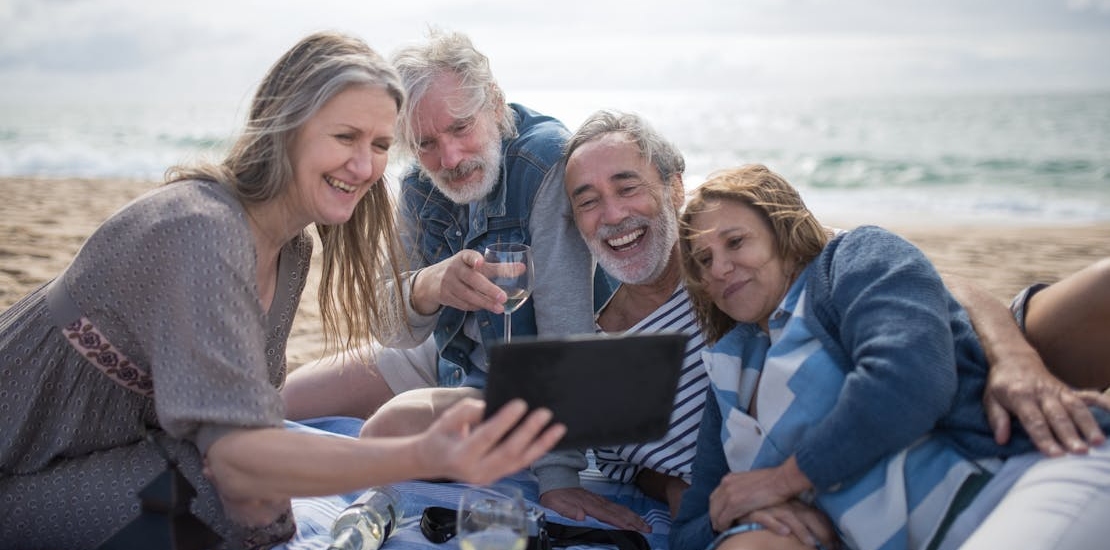
Getting out of the house, even for a short time, can lift your mood and reduce feelings of loneliness. Local trips are a simple way to enjoy new sights while staying active. When shared with friends or fellow seniors, these outings become even more meaningful. Many community centers and senior groups offer safe, low-cost travel options that include meals, guided tours, and plenty of social time. These shared experiences help improve emotional well-being and lower stress.
Exploring new places can also create lasting memories. The change in scenery often brings new energy and joy. Here are three easy day trips that support emotional health and reduce depression in the elderly:
- Museum visit: View local art or history exhibits, then enjoy a group lunch in the museum café.
- Park outing: Walk a scenic trail, attend a nature class, or join a picnic with friends.
- Bus tour: Take a short ride to a nearby town, with stops at landmarks, shops, or seasonal events.
When to seek professional help alongside social activities
While social activities are helpful, some situations call for extra support from a trained professional. Emotional changes that last several weeks may need attention. For example, if you notice constant sadness, loss of interest in hobbies, or trouble sleeping, it might be time to speak with a doctor. These are common warning signs that should not be ignored. Likewise, if you or someone you care about talks about feeling hopeless or worthless, medical care should be your next step. Early help can make recovery easier and more effective.
In many cases, combining social routines with therapy works best. You can continue attending your walking group or church events while also talking to a mental health provider. For instance, some seniors find that joining weekly group therapy in addition to playing cards with friends helps them stay balanced. Others may use sessions to work through grief while still enjoying regular lunches with family. These efforts can work together. Social interaction builds connection, while therapy provides tools to handle deeper emotional pain or mental health issues.
Building a happier and healthier life through connection
Staying socially active is one of the most effective ways to protect against depression in the elderly. Whether through family gatherings, volunteering, group activities, or community events, regular contact with others brings purpose, structure, and joy. These connections not only reduce loneliness but also strengthen both emotional and physical health. For seniors, even small steps, like a phone call, a walk with friends, or joining a local club, can have a lasting impact on mood and well-being. By prioritizing social engagement alongside healthy routines, older adults can build a happier, more fulfilling life and greatly reduce the risk of depression in the years ahead.