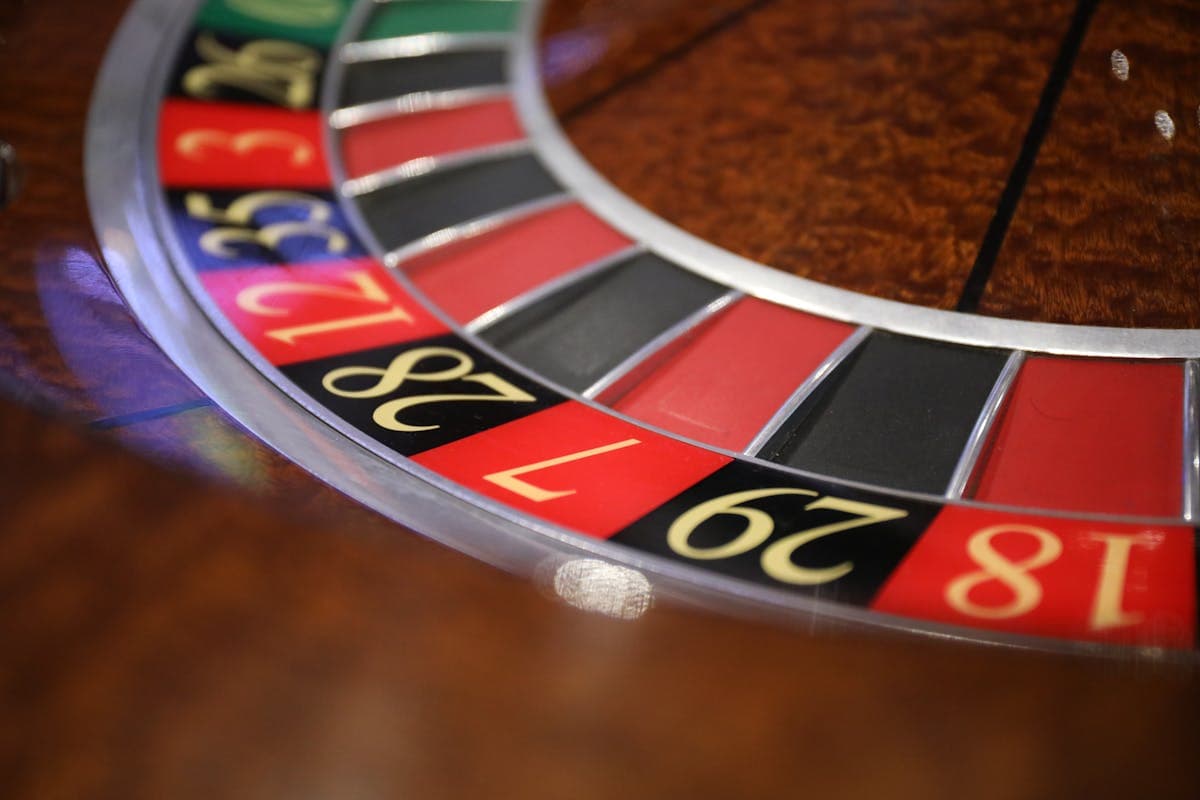
We’ve all had moments of overwhelm—stress at work, family tensions, or financial pressure. For some, placing a bet or opening a gambling app feels like a quick escape. But that relief doesn’t last. In reality, stress fuels gambling, not the other way around. What starts as a distraction can quickly become a harmful cycle. When gambling becomes your go-to coping mechanism, professional support is often needed to break free. At Resova Health, we understand the psychology behind gambling and how deeply it can affect your life. In this article, we’ll explore common triggers, warning signs that gambling is more than a bad habit, and most importantly – how to break the cycle and take back control of your life.
Can Stress Lead to Gambling? – Understanding the Initial Trigger
The short answer to this question is yes. Stress fuels gambling when unmanaged. When you’re under pressure, your body releases cortisol and adrenaline, hormones that put you in a fight-or-flight mode. Once the sense of immediate threat passes, your system will crave relief and many find it in activities resulting in a quick dopamine rush, gambling being one of them.
Why do people specifically turn to gambling when they are feeling stressed?
- Instant distraction: For a brief period, your mind can forget about stressors, as slot machines, poker tables, and sports bets demand intense focus.
- Illusion of control: Once what causes stress seems uncontrollable, turning to strategic betting can give you a sense of control and power.
- Instant reward: Gambling is one of the activities that triggers dopamine surges in the brain’s reward system. Dopamine is known as the “feel-good” neurotransmitter, and you are likely to repeat behaviors that cause you to feel good.
Why Do I Gamble When I’m Stressed? – The Psychological Pull
Dopamine serves as the connection between stress and gambling. Stress lowers baseline dopamine levels, which are crucial for regulating mood and motivation. This increased sensitivity makes our brain more responsive to behaviors that are likely to spike dopamine levels. Gambling is such an activity. The positive sensations coming from dopamine surges feel like a reward, conditioning you to repeat the behavior and explaining the relationship between dopamine and gambling.
People struggling with gambling addiction often develop a false sense of control, believing they can stop anytime – an illusion commonly seen in gambling behavior patterns.
In reality, stress fuels gambling by creating a loop:
- Stress triggers cravings. A desire to experience a dopamine rush may be triggered by emotional and financial stress.
- Gambling offers relief. The act of betting itself or an occasional win can provide momentary pleasure.
- Losses and guilt accumulate, amplifying stress that triggers the loop again.
This vicious cycle of stress fueling gambling can continue indefinitely, causing mental health issues that require professional help.
The Downward Spiral: How Does Gambling Affect Stress Levels?
It is not unusual for people to choose gambling as a way to cope with stress. However, stress fuels gambling by introducing new stressors and pressures into your life. Primarily, it will impact your emotional life, relationships, and financial situation.
- Chasing losses: Trying to recover lost money usually results in more risky bets and greater financial strain.
- Debt and anxiety: Using credit cards or borrowing money heightens anxiety and damages trust, adding to emotional stress.
- Relationship issues: Secrecy, broken trust, and financial manipulation can lead to isolation and conflict with loved ones.
- Emotional breakdown: Guilt, shame, irritability, and sleepless nights are often what depression looks like in someone struggling with gambling addiction.
Rather than easing stress, gambling often becomes its biggest source.
Red Flags: Is My Gambling a Response to Stress?
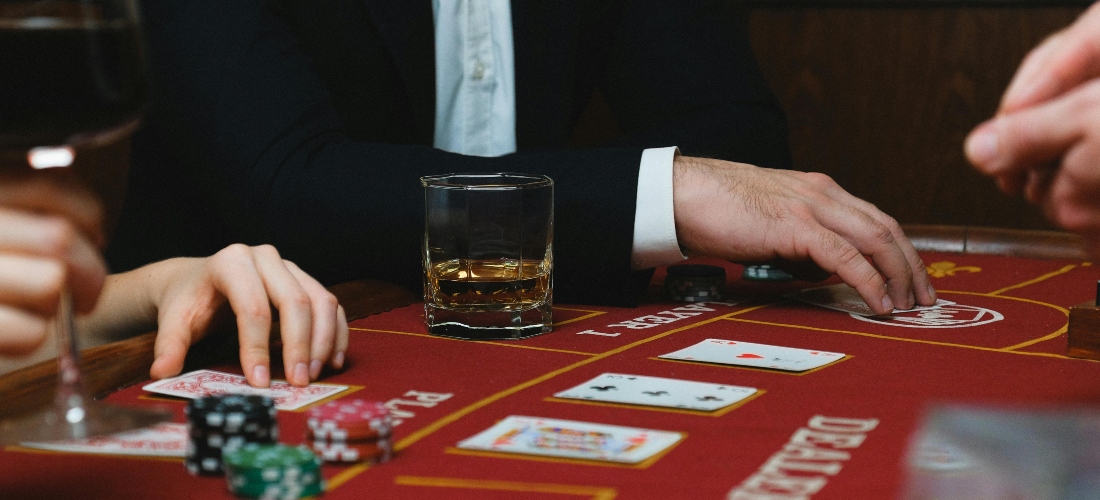
The key to recognizing whether stress is making gambling a problem is being honest with yourself. You can start by asking yourself:
- Do you only gamble when feeling anxious, stressed, or overwhelmed?
- Do you find yourself gambling as a way to escape or forget about your problems?
- Are you hiding your gambling habits from loved ones?
- Do you find yourself arguing with your loved ones about your gambling habits?
- Do you believe that a single win can alleviate your financial stress?
Furthermore, stay vigilant about these signs of stress that make gambling a problem:
- Increasing frequency: You find yourself betting or gambling more frequently as the stress grows.
- Escalating stakes: The amounts you bet are increasing in order for you to experience the same dopamine rush.
- Emotional dependency: It feels unbearable not to gamble when you feel stressed.
If you notice these red flags in your life, it may be time to reevaluate your coping strategies – because when stress fuels gambling, it often leads to serious mental health challenges.
The Toll on Well-being: “What are the Mental Health Effects of Stress and Gambling?”
While financial stress and damages to relationships are important, it’s crucial to highlight the link between gambling and mental health.
- Anxiety and gambling are closely linked, as persistent concerns about losses and debts can either initiate or exacerbate anxiety disorders.
- Stress fuels gambling addiction and depression related to it. When depression and gambling come together, they can manifest as hopelessness, guilt, or despair.
If any of these mental health issues appear, you should consider seeking help from a gambling addiction treatment center.
Breaking Free: How to Deal with Stress Without Gambling?
It may feel like the only way to break the cycle is by eliminating stress altogether. But experts emphasize that avoiding stress isn’t always realistic—what matters more is learning to manage it effectively. Instead of turning to gambling, developing healthy coping strategies can offer lasting relief and help disrupt the cycle where stress fuels gambling. Here are a few effective alternatives:
- Moving your body: Being physically active can result in the release of endorphins, the body’s natural mood enhancer. From walking and jogging to yoga or sports, any type of movement will have a similar effect. Even a brisk 10-minute walk can reduce cortisol levels and cravings for gambling.
- Practicing mindfulness: Techniques like deep breathing or meditation can calm your racing thoughts quickly. Many resources, including apps, can make this technique an easily accessible tool.
- Reaching out for connections: Whether you call a friend, chat in an online addiction treatment, or attend a support group, sharing your struggles will remind you that you are not alone in your problems.
- Journaling for clarity: Writing about your emotions and what triggers them can help you identify patterns and situations where stress fuels gambling. Seeing them on paper makes them lose some power and become manageable.
- Problem solving: Creating an actionable plan, including a budget, support system, or treatment plan, can help you address the root causes of your gambling addiction and manage stress with more ease.
Ideally, you will not rely solely on one technique to resolve your issues. Integrating a few of these habits will help you build resilience and find a natural way to relieve stress that works for you.

Seeking Support: Where Can I Find Help for Stress-Related Gambling Problems?
It takes a lot of strength to recognize you can’t manage everything alone and you need help from others. At times, you may find emotional support from your loved ones who can help you. However, there may be times when you need professional or peer support to help you navigate through challenging situations. Today, you can find many valuable resources for gambling addiction and stress management:
- National gambling helplines or local NGOs can provide initial guidance and advice.
- Support groups like Gamblers Anonymous (GA) and Gam-Anon (for families affected by gambling) can provide peer support, understanding, and acceptance.
- Professional centers, like Resova Health, and their therapists, who specialize in addiction and stress, can ensure mental health support for gambling and stress both in person and online. Cognitive-behavioral therapy (CBT), for instance, shows efficacy in treating pathological gambling.
The best results are often achieved when various approaches are combined, as a holistic method ensures equal care for the body, mind, and spirit, and therefore lifelong and sustainable results.
Reclaiming Your Life from the Stress-Gambling Cycle
Stress is a part of life – but when it starts driving harmful behaviors like gambling, it can quickly spiral out of control. It’s clear that stress fuels gambling but relying on it as a coping mechanism only creates more problems down the line.
The good news? You’re not stuck. With the right support and a commitment to change, it’s entirely possible to break the cycle. If you feel trapped, reaching out to a professional can be the first step forward. At Resova Health, we’re here to help you regain control and find healthier ways to cope. You don’t have to face this alone – reach out and let us walk the path to recovery with you.
Resources:
https://pmc.ncbi.nlm.nih.gov/articles/PMC8388113/